
Blog
The World’s Healthiest Diet: A Beginner’s Guide to the Mediterranean Lifestyle

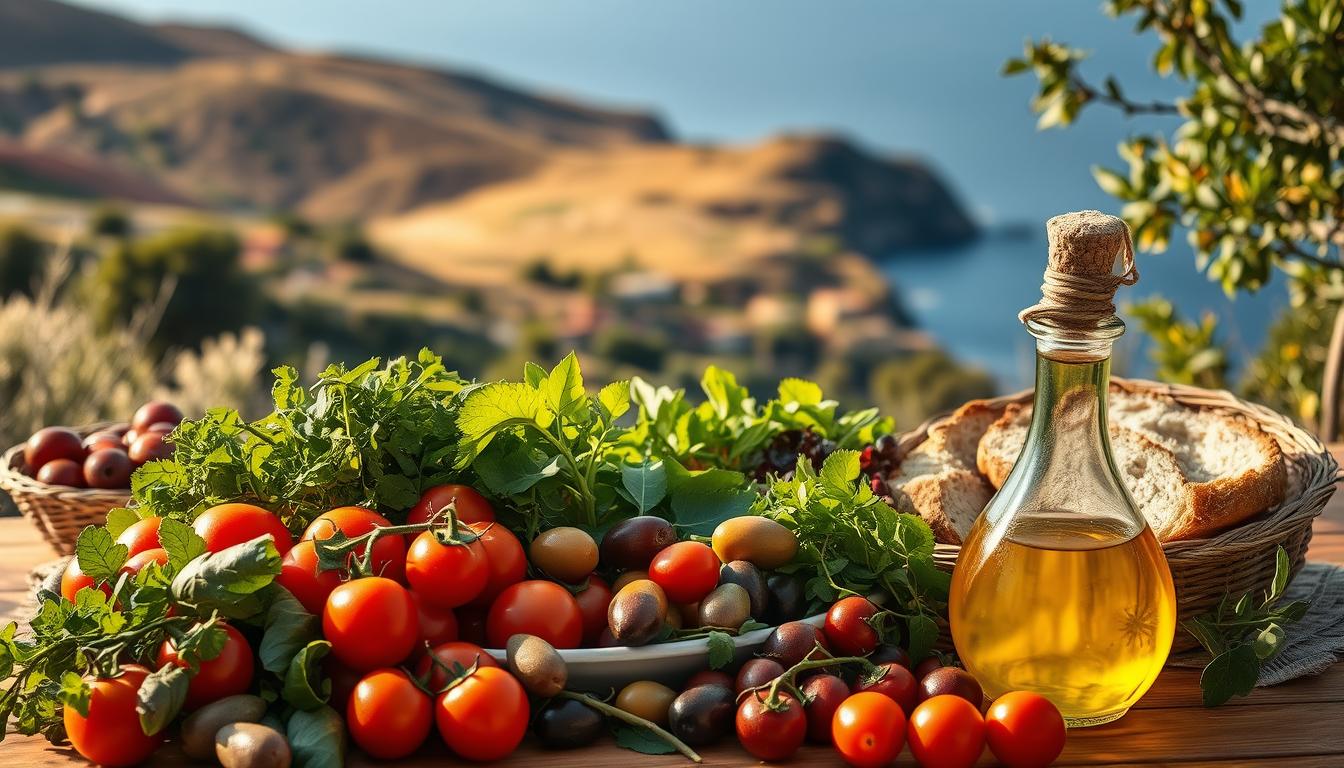
Embracing a healthier lifestyle can be a daunting task, but it doesn’t have to be. The Mediterranean diet has been hailed as one of the world’s healthiest diets, and for good reason. This eating plan is not just about food; it’s a way of living that promotes overall well-being.
By focusing on whole grains, fruits, vegetables, and healthy fats, individuals can experience a range of benefits, from weight loss to improved heart health. The beauty of this diet lies in its flexibility and sustainability, making it an ideal choice for those looking to adopt a healthier lifestyle.
Key Takeaways
- Discover the core principles of the Mediterranean diet
- Learn how to incorporate healthy fats into your daily meals
- Explore the benefits of a plant-based eating plan
- Understand how to make sustainable lifestyle changes
- Find out how to start your journey to a healthier you
What Makes the Mediterranean Diet So Special?
With its rich history and association with longevity, the Mediterranean diet stands out among other dietary patterns. The Mediterranean diet is not just a way of eating; it’s a lifestyle that has been followed for centuries in regions surrounding the Mediterranean Sea.
A Brief History of the Mediterranean Diet
The Mediterranean diet has its roots in the traditional dietary patterns of countries like Greece, Italy, and Spain. It was first popularized in the 1960s by American scientist Ancel Keys, who observed that people in these regions had lower rates of heart disease.
The Blue Zones Connection
The Mediterranean diet is closely linked to the concept of Blue Zones, areas around the world where people live longer and healthier. Regions like Ikaria, Greece, and Sardinia, Italy, are known for their high percentage of centenarians.
Longevity Patterns in Mediterranean Regions
Studies have shown that people living in these regions have lower rates of chronic diseases and higher life expectancy. A key factor is their diet, rich in fruits, vegetables, whole grains, and healthy fats.
| Region | Life Expectancy | Key Dietary Components |
|---|---|---|
| Ikaria, Greece | 90+ years | Olive oil, vegetables, fruits |
| Sardinia, Italy | 85+ years | Whole grains, legumes, sheep’s milk |
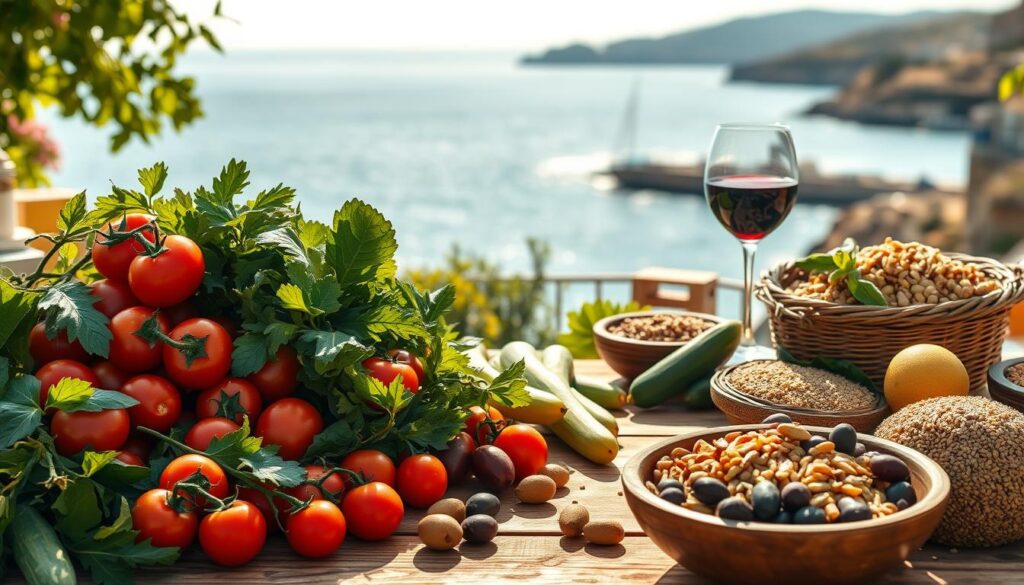
The combination of a balanced diet and lifestyle factors contributes to the longevity observed in Mediterranean regions. This dietary pattern is not just about food; it’s about adopting a way of life that promotes overall well-being.
The Science-Backed Benefits of the Mediterranean Diet
Research has consistently shown that the Mediterranean diet is associated with reduced risks of various chronic diseases. This eating pattern has been extensively studied for its numerous health benefits, ranging from heart health to cancer prevention.
Heart Health and Reduced Cardiovascular Risk
The Mediterranean diet is renowned for its heart-healthy eating principles. By emphasizing monounsaturated fats from olive oil, omega-3 fatty acids from fish, and fiber from fruits and vegetables, this diet helps reduce cardiovascular risk factors. Studies have shown that adherence to the Mediterranean diet can lower the risk of heart disease by improving lipid profiles and reducing blood pressure.
Brain Health and Cognitive Function
Emerging evidence suggests that the Mediterranean diet may also have neuroprotective effects. The diet’s rich antioxidant profile and anti-inflammatory properties may contribute to improved cognitive function and a reduced risk of dementia. Further research is needed to fully understand the mechanisms behind this association.
Weight Management and Metabolic Health
The Mediterranean diet is not only beneficial for heart health but also supports weight management and metabolic health. By focusing on whole, nutrient-dense foods, individuals can achieve and maintain a healthy weight more effectively. The diet’s emphasis on healthy fats and complex carbohydrates also helps regulate blood sugar levels.
Cancer Prevention Properties
Some studies have investigated the Mediterranean diet’s potential role in cancer prevention. The diet’s rich array of antioxidants, phytochemicals, and fiber may contribute to a reduced risk of certain cancers. A comprehensive analysis of various studies is presented in the table below:
| Cancer Type | Relative Risk Reduction | Key Dietary Components |
|---|---|---|
| Breast Cancer | Up to 20% | Olive oil, fruits, vegetables |
| Colorectal Cancer | 15-20% | Fiber-rich foods, antioxidants |
| Prostate Cancer | Variable, up to 30% | Tomatoes, olive oil, omega-3 fatty acids |
Understanding the Mediterranean Diet Food Pyramid
Understanding the Mediterranean diet begins with its food pyramid, a foundational element that guides dietary choices. The pyramid is designed to be simple and visual, making it easier for individuals to follow the diet’s core principles.
Daily Foundation Foods
The base of the Mediterranean diet food pyramid consists of daily foundation foods, which are essential for overall health and well-being. These include a variety of vegetables and fruits, which provide essential vitamins, minerals, and antioxidants.
Vegetables and Fruits
Vegetables and fruits are crucial in the Mediterranean diet, with an emphasis on consuming a wide range of colors and types. This variety ensures a broad intake of nutrients.
Whole Grains
Whole grains are another key component, providing fiber, vitamins, and minerals. They are consumed daily in the form of bread, pasta, rice, and cereals.
Weekly Recommendations
In addition to daily foods, the Mediterranean diet pyramid recommends certain foods on a weekly basis. These include fish and seafood, which are rich in omega-3 fatty acids, and poultry and eggs, which provide protein.
Fish and Seafood
Fish and seafood are highlighted for their health benefits, particularly their high levels of omega-3 fatty acids, which support heart health.
Poultry and Eggs
Poultry and eggs are consumed in moderation, providing a good source of protein while keeping saturated fat intake in check.
Occasional Indulgences
The top tier of the pyramid includes foods that are consumed less frequently, such as red meat and sweets. These are considered occasional indulgences.
Red Meat and Sweets
Red meat and sweets are consumed sparingly, as they are higher in saturated fats and sugars.
| Food Group | Frequency | Examples |
|---|---|---|
| Daily Foundation | Daily | Vegetables, Fruits, Whole Grains |
| Weekly Recommendations | Weekly | Fish, Seafood, Poultry, Eggs |
| Occasional Indulgences | Occasionally | Red Meat, Sweets |
Olive Oil: The Liquid Gold of the Mediterranean
At the heart of Mediterranean cuisine lies olive oil, celebrated not only for its rich flavor but also for its significant benefits of olive oil. This versatile oil is a staple in Mediterranean cooking, used liberally in everything from salad dressings to sautéed vegetables.
Types of Olive Oil and How to Choose
Olive oil comes in various types, each with its unique characteristics and uses. The most commonly consumed type is Extra Virgin Olive Oil (EVOO), known for its high quality and rich flavor. When choosing olive oil, look for labels that indicate the oil is cold-pressed and has a high polyphenol content.
| Type of Olive Oil | Description | Best Use |
|---|---|---|
| Extra Virgin Olive Oil | High quality, rich flavor | Salad dressings, finishing dishes |
| Virgin Olive Oil | Good quality, slightly lower acidity than EVOO | Cooking, marinades |
| Pure Olive Oil | Blended oil, neutral flavor | High-heat cooking, frying |
Health Benefits of Extra Virgin Olive Oil
Extra Virgin Olive Oil is rich in monounsaturated fats and antioxidants, contributing to its numerous health benefits. Learn more about the health benefits of olive, including its role in heart health and anti-inflammatory properties.
“Olive oil is a key component of the Mediterranean diet, which has been associated with reduced risk of heart disease and certain cancers.”
Cooking and Storage Tips
To maximize the benefits of olive oil, it’s essential to store it properly. Keep olive oil in a cool, dark place to preserve its flavor and nutritional properties. When cooking with olive oil, use it at low to medium heat to avoid degradation.
Fresh Produce: The Colorful Heart of Mediterranean Eating
At the heart of the Mediterranean diet lies a rich tapestry of fresh fruits, vegetables, and herbs that define its culinary identity. The emphasis on fresh produce not only contributes to the diet’s vibrant flavors but also to its numerous health benefits.
Seasonal Vegetables to Prioritize
Seasonal vegetables are a staple in Mediterranean cuisine, providing essential nutrients and variety to meals. Some of the most commonly consumed vegetables include leafy greens like spinach and kale, root vegetables such as carrots and beets, and summer vegetables like tomatoes and zucchini. Incorporating these vegetables into your Mediterranean diet meal plan can be as simple as adding them to salads, stews, or grilled dishes.
Fruits and Their Role in the Diet
Fruits play a significant role in the Mediterranean diet, serving as a natural source of sweetness and a rich source of vitamins, minerals, and antioxidants. Figs, grapes, and citrus fruits like oranges and lemons are particularly popular. Enjoying a variety of fruits daily can enhance the nutritional quality of your diet and support overall health.
Herbs and Spices for Flavor and Health
Herbs and spices are not only used to add flavor to Mediterranean dishes but also for their health benefits. Herbs like basil, rosemary, and thyme are commonly used, as are spices such as garlic and turmeric. These ingredients not only enhance the taste of meals but also contribute to the diet’s anti-inflammatory and antioxidant properties.
Incorporating a variety of fresh produce, along with herbs and spices, into your daily meals is a key aspect of embracing the Mediterranean lifestyle. By doing so, you can enjoy a diet that is not only delicious but also rich in nutrients and health benefits.
Protein Sources in the Mediterranean Diet
A hallmark of the Mediterranean diet is its emphasis on multiple protein sources, contributing to its heart-healthy reputation. This dietary approach ensures a broad intake of essential nutrients.
Fish and Seafood Recommendations
Fish and seafood are staples in the Mediterranean diet, providing not only protein but also omega-3 fatty acids crucial for heart health. Regular consumption is associated with reduced cardiovascular risk.
Fatty Fish for Omega-3s
Fatty fish like salmon, mackerel, and sardines are particularly recommended for their high omega-3 content, supporting cardiovascular well-being.
Legumes: The Unsung Heroes
Legumes, including lentils, chickpeas, and fava beans, are rich in protein, fiber, and various nutrients, making them a vital component of the Mediterranean diet. They are versatile and can be incorporated into a variety of dishes.
Moderate Consumption of Poultry, Eggs, and Dairy
The diet also includes moderate amounts of poultry, eggs, and dairy products, which provide additional protein and nutrients. This moderation is key to maintaining the diet’s balance.
By incorporating a variety of these protein sources, individuals can enjoy a balanced and nutritious diet that supports overall health and well-being.
Whole Grains and Nuts: Energy and Nutrients
Whole grains and nuts are the backbone of the Mediterranean diet, offering a rich source of fiber, vitamins, and minerals. These foods not only provide sustained energy but also contribute to the overall nutritional quality of the diet.
Traditional Mediterranean Grains
The Mediterranean diet emphasizes traditional grains that are rich in fiber and nutrients. These grains have been consumed for centuries in the regions surrounding the Mediterranean Sea.
Beyond White Bread: Exploring Ancient Grains
Ancient grains like quinoa, bulgur, and farro are staples in the Mediterranean diet. They offer a nutritional boost compared to refined grains and are rich in antioxidants and fiber. As Dr. Walter Willett, a renowned nutrition expert, notes, “Ancient grains provide a more balanced nutritional profile compared to modern refined grains.”
Nuts and Seeds for Heart Health
Nuts and seeds are another crucial component of the Mediterranean diet, known for their heart health benefits. Almonds, walnuts, and pistachios are rich in healthy fats, protein, and antioxidants.
Portion Control with Calorie-Dense Foods
While nuts and seeds are nutritious, they are also calorie-dense. Therefore, portion control is essential. A handful of nuts or seeds per day is a good rule of thumb. As emphasized by The Mediterranean Diet Foundation, “Moderation is key when consuming nuts and seeds to reap their health benefits without overdoing it on calories.”
Incorporating whole grains and nuts into your Mediterranean diet meal plan can significantly enhance your nutritional intake and support overall health.
Starting Your Mediterranean Diet Journey: A 7-Day Meal Plan
Embarking on a Mediterranean diet journey can be both exciting and daunting, but with a 7-day meal plan, you’ll be well on your way to adopting a healthier lifestyle. The Mediterranean diet is not just about food; it’s about embracing a way of living that promotes well-being and longevity. To help you get started, we’ve put together a practical 7-day meal plan that includes a variety of delicious and nutritious meals.
Breakfast Ideas
Starting your day with a nutritious breakfast is crucial. Here are some Mediterranean diet breakfast ideas:
- Greek Yogurt with Honey and Walnuts: A classic combination that provides protein, healthy fats, and a touch of sweetness.
- Oatmeal with Fresh Fruits and Nuts: A hearty bowl that keeps you full until lunchtime.
Quick Options for Busy Mornings
For those mornings when time is of the essence, consider these quick and easy breakfast options:
- Avocado Toast: Toasted whole grain bread topped with mashed avocado, a squeeze of lemon, and a sprinkle of salt.
- Smoothie Bowl: Blend your favorite fruits with Greek yogurt, then top with granola and fresh fruit.
Lunch and Dinner Suggestions
Lunch and dinner are opportunities to incorporate more of the Mediterranean diet’s staple ingredients. Here are some ideas:
- Grilled Chicken or Fish with Roasted Vegetables: A simple yet flavorful option that’s rich in protein and fiber.
- Quinoa Salad with Vegetables and Feta: A nutritious and filling salad that’s perfect for lunch or dinner.
Meal Prep Strategies
Meal prep can save time and ensure you’re sticking to your Mediterranean diet meal plan. Consider preparing:
- Large Batches of Grains and Legumes: Use these throughout the week in different meals.
- Roasted Vegetables: Roast a large tray of vegetables on the weekend to use in meals throughout the week.
Healthy Snacks and Desserts
Snacking is an integral part of the Mediterranean diet, with a focus on fruits, nuts, and vegetables. For dessert, consider:
- Fresh Fruit with Nuts: A simple and satisfying dessert that’s rich in fiber and healthy fats.
- Greek Yogurt with Honey: A sweet treat that’s high in protein and calcium.
Satisfying the Sweet Tooth Naturally
For those with a sweet tooth, the Mediterranean diet offers several natural dessert options:
- Dried Fruit and Nut Mix: A healthy and portable snack that’s perfect for on-the-go.
- Dark Chocolate: Enjoy in moderation, as it’s rich in antioxidants.
By incorporating these meal ideas into your 7-day meal plan, you’ll be well on your way to adopting the Mediterranean diet lifestyle. Remember, the key is variety and balance, so feel free to mix and match these suggestions to keep your meals interesting and enjoyable.
Mediterranean Diet Shopping Guide for Americans
For Americans looking to embrace the Mediterranean lifestyle, understanding what to buy at the grocery store is crucial. The longevity diet principles can be easily incorporated into daily meals with the right ingredients.
Pantry Staples to Keep on Hand
To start, stock your pantry with Mediterranean staples. These include:
- Olive oil
- Canned beans and tomatoes
- Whole grains like quinoa and farro
- Nuts and seeds, such as almonds and chia seeds
- Dried herbs and spices, like oregano and thyme
Finding Mediterranean Ingredients in US Grocery Stores
Most US grocery stores now carry a variety of Mediterranean ingredients. Look for international or specialty sections for items like feta cheese and kalamata olives. Many stores also carry pre-made tabbouleh or hummus.
Budget-Friendly Options
Eating a Mediterranean diet doesn’t have to be expensive. Consider:
- Buying in bulk
- Shopping for seasonal produce
- Using frozen vegetables and fruits
Seasonal and Frozen Alternatives
Opting for seasonal and frozen alternatives can significantly reduce costs. For example, frozen berries are just as nutritious as fresh and can be used in a variety of dishes, from smoothies to desserts.
By incorporating these tips into your grocery shopping routine, you can enjoy the benefits of the Mediterranean diet without breaking the bank.
Beyond Food: The Lifestyle Components of Mediterranean Living
The Mediterranean lifestyle is more than just a diet; it’s a holistic approach to living that encompasses various aspects of daily life. While the dietary aspects are well-known, the lifestyle components play a crucial role in the overall well-being of individuals who adopt this way of living.
Physical Activity and Movement
Regular physical activity is a cornerstone of the Mediterranean lifestyle. It’s not just about structured exercise; it’s about incorporating movement into daily routines, such as walking or cycling, and engaging in activities that promote flexibility and strength.
Social Connections and Communal Eating
Social connections are vital in the Mediterranean lifestyle. Communal eating is a significant aspect, fostering a sense of community and belonging. Sharing meals with family and friends strengthens bonds and creates lasting memories.
Mindfulness and Stress Management
Mindfulness and stress management are also integral to Mediterranean living. Practices such as meditation, deep breathing, or simply enjoying nature contribute to mental well-being and resilience.
| Lifestyle Component | Benefits |
|---|---|
| Physical Activity | Improved cardiovascular health, increased strength and flexibility |
| Social Connections | Enhanced sense of community, stronger relationships |
| Mindfulness | Reduced stress, improved mental well-being |
Conclusion: Embracing the Mediterranean Way for Lifelong Health
Embracing the Mediterranean diet and lifestyle is a powerful step towards achieving lifelong health and well-being. This holistic approach, rich in fruits, vegetables, whole grains, and healthy fats, has been shown to promote heart health, support cognitive function, and contribute to a longevity diet that can help you live a longer, healthier life.
By incorporating the Mediterranean diet’s core principles into your daily routine, you can experience the numerous benefits that have been enjoyed by populations in the Mediterranean region for centuries. From the flavorful taste of extra virgin olive oil to the social connections fostered through communal eating, every aspect of this lifestyle is designed to nourish both body and soul.
As you embark on your Mediterranean journey, remember that it’s not just about the food – it’s about adopting a way of life that promotes physical activity, mindfulness, and overall well-being. By making these simple yet profound changes, you can take a significant step towards a healthier, happier you, and enjoy the many rewards of a longevity diet.