Blog
The Science of Hydration: How Much Water Do You Really Need and Why It Matters for Performance

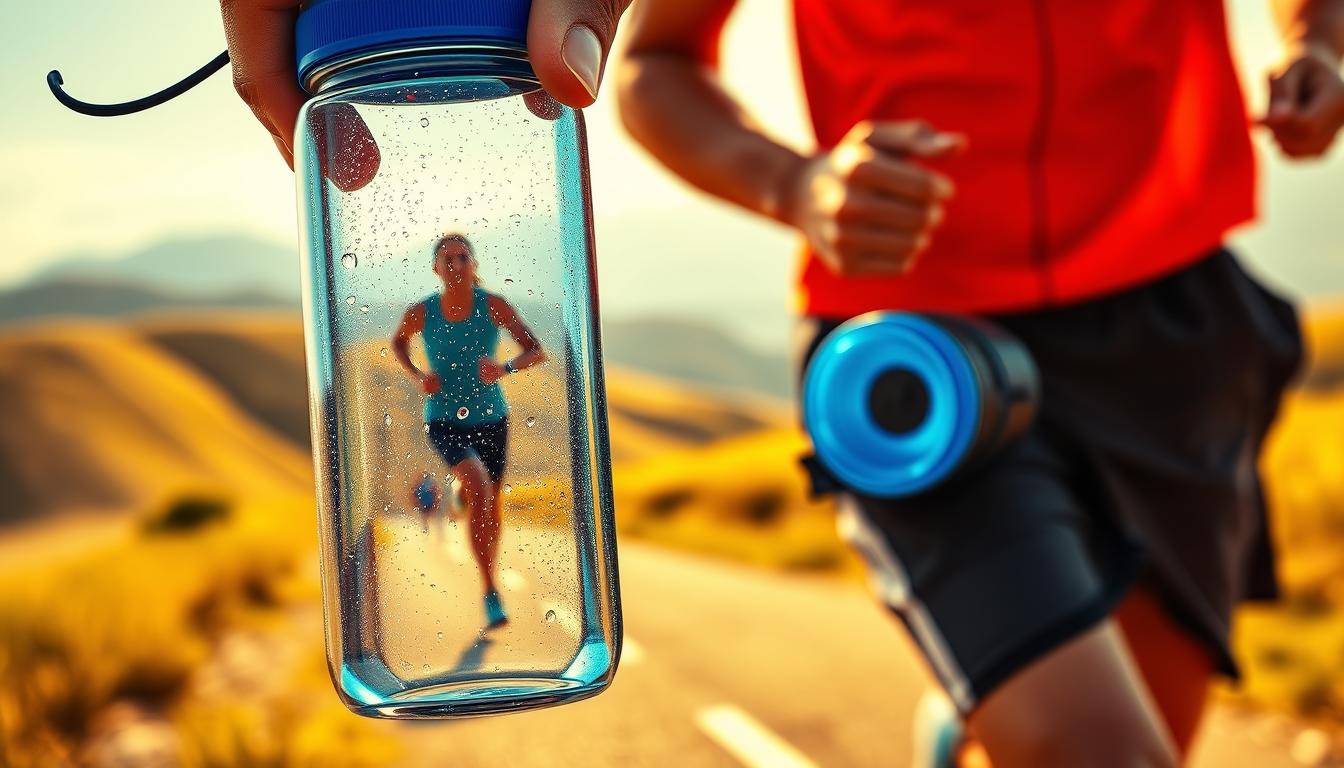
Athletes and fitness enthusiasts often focus on their training regimens, but there’s another crucial element that can make or break their performance: proper hydration. Even mild dehydration can cause fatigue, dizziness, and decreased athletic performance.
When you’re active, your body loses water through sweat. If you don’t replenish those fluids, you can become dehydrated. This can lead to a range of issues, from muscle cramps to heat stroke. So, how much water do you really need? The answer depends on several factors, including your activity level, climate, and individual needs.
Key Takeaways
- Proper hydration is essential for optimal athletic performance.
- Dehydration can cause fatigue, dizziness, and decreased performance.
- Individual hydration needs vary based on activity level, climate, and other factors.
- Athletes should monitor their body’s response to exercise and adjust their hydration accordingly.
- Replenishing fluids lost during exercise is crucial to maintaining performance.
The Biological Importance of Water
Our bodies depend on water to regulate and facilitate a multitude of biological processes. Water is the medium in which many of the body’s essential chemical reactions occur.
Water’s Role in Essential Bodily Functions
Water is crucial for maintaining bodily functions, including regulating body temperature and facilitating the transport of nutrients and oxygen to cells. Adequate daily water intake ensures that these processes occur efficiently.
Cellular Processes Dependent on Proper Hydration
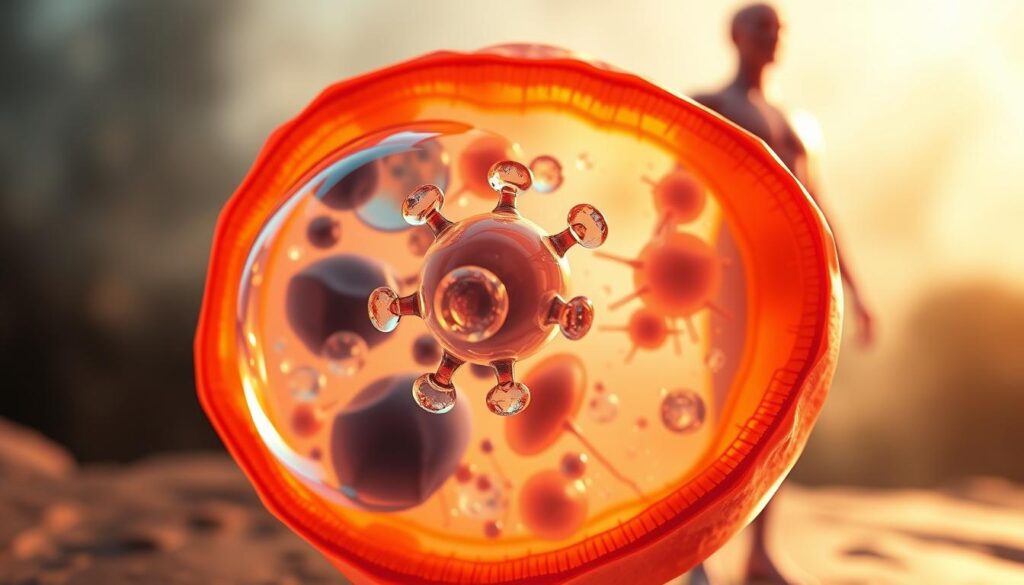
Proper hydration is vital for cellular health, as it affects the cell’s shape, function, and ability to communicate with other cells. Dehydration can lead to various health issues, including signs of dehydration such as fatigue and dizziness.
How Water Supports Homeostasis
Water helps maintain homeostasis by regulating blood pressure, pH levels, and the balance of electrolytes within the body. This balance is crucial for overall health and performance.
| Bodily Function | Role of Water |
|---|---|
| Temperature Regulation | Water helps dissipate heat through sweating. |
| Nutrient Transport | Water facilitates the transport of nutrients and oxygen to cells. |
| Cellular Health | Proper hydration maintains cell shape and function. |
Understanding Hydration Science
Delving into the science behind hydration reveals the intricate processes that govern how our bodies utilize water. Hydration is not just about drinking water; it’s about how our body processes and distributes it to maintain various bodily functions.
How Your Body Processes and Distributes Water
When you drink water, it’s absorbed into your bloodstream and distributed to cells throughout your body. This process is crucial for maintaining electrolyte balance, which is vital for nerve and muscle function, including the heart. Water also plays a key role in regulating body temperature and facilitating the transport of nutrients and oxygen to cells.
The Hydration-Performance Connection
Proper hydration is directly linked to physical performance. Even mild dehydration can cause fatigue, dizziness, and muscle cramps, impacting both endurance and strength. Athletes and individuals engaging in strenuous activities need to pay special attention to their hydration levels to optimize performance.
Recent Research Findings on Hydration
Recent studies have highlighted the importance of personalized hydration plans. Factors such as climate, activity level, and individual health conditions all influence hydration needs. Research also emphasizes the role of electrolytes in hydration, particularly during intense or prolonged physical activities.
Debunking the 8×8 Rule
The “8×8 rule” suggests drinking eight 8-ounce glasses of water daily, but is this backed by science? This seemingly simple guideline has been a cornerstone of hydration advice for decades.
Origin of the Eight Glasses Recommendation
The origin of the “8×8 rule” is somewhat murky, but it gained popularity in the late 20th century. Interestingly, the exact source remains unclear, though it’s often attributed to a 1945 report from the Food and Nutrition Board of the National Academy of Sciences.
What Current Research Actually Shows
Recent studies have challenged the one-size-fits-all approach of the “8×8 rule.” Research indicates that individual hydration needs vary significantly based on factors like age, sex, weight, activity level, and climate. For instance, athletes or individuals living in hot climates may require more fluids.
Why One-Size-Fits-Fits Approaches Fall Short
A one-size-fits-all hydration guideline overlooks the complexity of human physiology and the diverse conditions people live in. Understanding your personal hydration needs is crucial, and this may involve considering the best drinks for hydration beyond just water, such as sports drinks or electrolyte-rich beverages, especially during or after intense physical activity.
Calculating Your Personal Daily Water Intake
Calculating personal daily water intake is not a one-size-fits-all approach; it requires considering several individual factors. To determine your optimal hydration needs, you must understand the variables that influence how much water you should drink daily.
Key Factors Affecting Individual Hydration Needs
Several factors affect how much water you need. These include your age, sex, weight, activity level, and the climate you live in. For instance, athletes or individuals who live in hot climates need more water compared to those who are less active or reside in cooler environments. As Dr. Stanley Goldfarb, a hydration expert, notes, “The body’s need for water is highly variable and depends on a multitude of factors.”
Evidence-Based Formulas for Water Requirements
There are various formulas to estimate daily water intake. A commonly used method is to drink at least half an ounce of water per pound of body weight. For a 150-pound person, this translates to 75 ounces of water daily. Another approach is to follow the adequate intake (AI) recommendations provided by health organizations, which suggest 3.7 liters for men and 2.7 liters for women.
Adjusting for Activity Level, Climate, and Health Conditions
It’s crucial to adjust your water intake based on your activity level, the climate you’re in, and any health conditions you may have. For example, if you’re engaging in strenuous exercise, you’ll need more water to replenish lost fluids. Similarly, living in a hot and humid climate increases your water needs. As the
“American Council on Exercise (ACE) recommends drinking 17-20 ounces of water 2-3 hours before exercise and 8 ounces every 10-20 minutes during exercise.”
Monitoring your body’s response and adjusting accordingly is key.
By considering these factors and using evidence-based guidelines, you can determine your personal daily water intake and maintain optimal hydration.
Signs of Dehydration You Shouldn’t Ignore
Recognizing the signs of dehydration is crucial for maintaining your health, especially during hot weather or when engaging in physical activities. Dehydration occurs when your body loses more fluids than it takes in, causing an imbalance that can affect your performance and overall well-being.
Early Warning Signals: Physical Symptoms
The initial signs of dehydration can be subtle but are important to acknowledge. Common physical symptoms include:
- Dry mouth and throat
- Fatigue or feeling unusually tired
- Headaches
- Dizziness or lightheadedness
For more tips on maintaining your health, you can check out 10 morning habits that boost your.
Cognitive and Performance Impacts
Dehydration doesn’t just affect your body; it can also impair your cognitive functions and performance. Symptoms may include difficulty concentrating, confusion, and a decrease in athletic performance.
Severe Dehydration: When to Seek Medical Help
In severe cases, dehydration can become a medical emergency. It’s essential to recognize the signs that require immediate attention.
Emergency Indicators
Severe dehydration symptoms include:
- Severe thirst
- Dark yellow or brown urine
- Rapid heartbeat
- Rapid breathing
- Fainting or loss of consciousness
First Response Measures
If you or someone else is experiencing severe dehydration, the first step is to drink water or other hydrating fluids. However, if the person is unconscious, has severe symptoms, or is unable to keep fluids down, seek medical help immediately.
Understanding the signs of dehydration and knowing how to respond can significantly impact your health and performance. Stay hydrated, and be aware of your body’s needs to maintain optimal well-being.
The Critical Role of Electrolyte Balance
The importance of electrolyte balance cannot be overstated, as it affects numerous physiological processes. Electrolytes are minerals that carry an electric charge, and they are crucial for various bodily functions, including nerve and muscle function, hydration, and pH balance.
Essential Electrolytes and Their Functions
There are several key electrolytes that the body needs to function properly. These include sodium, potassium, calcium, magnesium, chloride, and phosphate. Each of these electrolytes has specific roles:
- Sodium helps regulate the amount of water in the body and is crucial for nerve and muscle function.
- Potassium is important for heart function and helps with muscle contraction.
- Calcium is vital for muscle contraction and nerve function, as well as bone health.
- Magnesium plays a role in muscle and nerve function, as well as energy production.
How Electrolytes Interact with Water in Your Body
Electrolytes and water are closely linked in maintaining proper hydration and bodily functions. Electrolytes help regulate the balance of fluids within the body’s cells, tissues, and organs. As noted by experts, “Electrolytes help control the balance of fluids in the body and are essential for various bodily functions” (Cleveland Clinic). Proper electrolyte balance ensures that water is effectively utilized by the body.
Optimal Electrolyte Replenishment Strategies
Replenishing electrolytes can be achieved through a combination of dietary intake and, if necessary, supplementation.
Natural Food Sources
Many foods are rich in electrolytes, making it possible to maintain adequate levels through diet alone. Some examples include:
- Bananas (potassium)
- Avocados (potassium)
- Nuts and seeds (magnesium)
- Dairy products (calcium)
Supplement Options
In some cases, especially during intense physical activity or in hot climates, supplementation may be necessary to maintain electrolyte balance. Electrolyte supplements come in various forms, including tablets, powders, and sports drinks.
Maintaining electrolyte balance is crucial for overall health and performance. By understanding the role of essential electrolytes and how to replenish them, individuals can optimize their hydration and physiological function.
Hydration Strategies for Peak Performance
Hydration plays a critical role in physical performance, and understanding the best hydration strategies can make a significant difference. Whether you’re an athlete or a fitness enthusiast, being properly hydrated is essential for achieving your best results.
Pre-Activity Hydration Protocols
Before engaging in any physical activity, it’s crucial to ensure you’re well-hydrated. This involves drinking water or a hydration drink at least 2-3 hours before the activity to allow for proper absorption. The American Council on Exercise recommends consuming 17-20 ounces of fluid during this timeframe.
During-Activity Hydration Guidelines
During exercise, the body loses water and electrolytes through sweat. It’s essential to replenish these losses to maintain performance and prevent dehydration. Drinking 7-10 ounces of fluid every 10-20 minutes during activity can help achieve this balance.
Post-Exercise Rehydration Science
After exercise, rehydrating is crucial to restore the body’s fluid balance. The National Athletic Trainers’ Association suggests drinking 16-24 ounces of fluid for every pound of body weight lost during exercise. This helps in recovering from the activity and preparing for the next session.
Special Considerations for Different Sports
Different sports have varying hydration needs based on their intensity, duration, and environmental conditions. For instance, endurance sports like marathon running or cycling require more aggressive hydration strategies compared to shorter, high-intensity activities.
| Sport/Activity | Hydration Needs | Recommended Fluid Intake |
|---|---|---|
| Endurance Sports | High | 500-1000 ml/hour |
| High-Intensity Sports | Moderate to High | 300-600 ml/hour |
| Low-Intensity Activities | Low to Moderate | 200-400 ml/hour |
As Dr. Timothy Noakes, a renowned sports scientist, once said, “The importance of hydration cannot be overstated. It’s a critical component of performance and health.” This underscores the need for tailored hydration strategies to achieve peak performance.
By understanding and implementing these hydration strategies, individuals can optimize their performance and achieve their goals more effectively.
Best Drinks for Hydration: Beyond Plain Water
Beyond plain water, there are numerous drinks that can help meet your hydration requirements, each with its unique advantages. While water is essential, other beverages can contribute to your daily fluid intake and offer additional nutritional benefits.
Hydration Effectiveness Ranking of Common Beverages
Different drinks have varying levels of hydration effectiveness. Sports drinks, for instance, are designed to replenish electrolytes lost during intense physical activity, making them a good choice for athletes. Coconut water is another natural source of electrolytes that can aid in hydration. On the other hand, beverages like coffee and tea can contribute to hydration despite their diuretic effects, as long as they’re consumed in moderation.
When to Choose Sports Drinks vs. Water
The choice between sports drinks and water depends on the intensity and duration of your activity. For exercises lasting less than an hour, water is usually sufficient. However, for prolonged or high-intensity activities, sports drinks can be beneficial due to their electrolyte content. It’s also worth noting that electrolyte-rich beverages can help in replenishing what’s lost in sweat.
Natural Hydration Alternatives
For those looking for alternatives to plain water, there are several options. Herbal teas and infused water can add variety to your hydration routine. Milk and other dairy products also contribute to hydration and provide additional nutrients like protein and calcium.
Drinks That Contribute to Dehydration
Not all beverages are created equal when it comes to hydration. Drinks with high sugar content, caffeine, or alcohol can have diuretic effects, potentially leading to dehydration if consumed excessively. Being mindful of these beverages and balancing them with hydrating drinks is crucial.
Practical Water Tracking Tips for Consistent Hydration
Adequate hydration is essential, and monitoring your water intake can make it easier to achieve. Staying on top of your hydration needs doesn’t have to be complicated. Here are some effective strategies to help you track your water intake and maintain optimal hydration levels.
Digital Tools and Apps for Monitoring Intake
In today’s digital age, there are numerous apps designed to help track your water intake. Apps like Waterlogged and Hydro Coach allow you to set daily hydration goals and send reminders to drink water throughout the day. These tools can be particularly useful for individuals with busy schedules who might otherwise forget to drink enough water.
Low-Tech Methods That Actually Work
Not everyone is comfortable using apps, and that’s okay. Simple, low-tech methods can be just as effective. For example, using a marked water bottle can help you visualize your daily intake. Some people find it helpful to keep a log or make a habit of drinking a glass of water at the same time each day.
Building Sustainable Hydration Habits
Consistency is key when it comes to hydration. Making hydration a habit involves creating routines that stick. This could mean drinking a glass of water as soon as you wake up or keeping a water bottle at your desk throughout the day.
Overcoming Common Hydration Obstacles
One of the biggest challenges to staying hydrated is a busy lifestyle. To overcome this, it’s helpful to have multiple reminders or to incorporate water drinking into your daily routine, such as during meals or when you take breaks. Another obstacle is taste; if you don’t like the taste of plain water, try infusing it with fruits or herbs.
Hydration Myths and Misconceptions Clarified
Understanding the truth behind common hydration myths is crucial for maintaining optimal daily water intake. Many myths can lead to confusion about how much water we actually need and how to properly hydrate.
The Truth About Caffeine and Hydration Status
Caffeine is often believed to dehydrate the body. However, moderate caffeine consumption does not significantly impact hydration status for most people. Research suggests that caffeine’s diuretic effect is more pronounced in people who don’t regularly consume it.
Can You Really Drink Too Much Water?
Yes, drinking too much water can lead to hyponatremia, a condition where sodium levels in the blood become dangerously low. This is rare and typically occurs in endurance athletes or individuals who consume excessive amounts of water in a short period.
Is Thirst a Reliable Indicator of Hydration Needs?
Thirst is a natural indicator of the body’s need for water, but it’s not always reliable. Older adults and athletes may need to pay closer attention to their hydration status as their thirst mechanisms can be less responsive.
Filtered vs. Tap Water: What Science Says
The choice between filtered and tap water depends on various factors, including local water quality and personal preference. Filtered water may taste better and have fewer contaminants, but tap water is often just as safe and more environmentally friendly.
In conclusion, understanding the facts behind common hydration myths can help you make informed decisions about your daily water intake and overall hydration strategy. Paying attention to signs of dehydration and adjusting your hydration plan accordingly is key to maintaining optimal performance and health.
Conclusion: Making Optimal Hydration a Daily Priority
Proper hydration is essential for maintaining peak physical performance and overall health. By understanding your body’s hydration needs and implementing effective hydration strategies, you can optimize your daily functioning and achieve your fitness goals.
Making hydration a daily priority involves being mindful of your body’s signals, monitoring your water intake, and adjusting your hydration plan according to your activity level, climate, and individual needs. By incorporating the insights gained from this article into your daily routine, you can take a significant step towards enhancing your overall well-being.
Staying hydrated is a simple yet powerful way to support your body’s functions and improve your quality of life. By prioritizing hydration, you can perform at your best, feel more energized, and maintain optimal health.