
Blog
The Hydration Habit: 5 Simple Water Hacks to Drink More Water Daily


Staying hydrated is crucial for maintaining energy, focus, and overall health. Despite its importance, many individuals struggle to drink enough water throughout the day.
Developing a hydration habit can be challenging, but with the right strategies, it can become a seamless part of daily life. The key is to find simple and effective ways to increase water intake.
By incorporating a few straightforward practices into your daily routine, you can improve your hydration levels and enhance your overall well-being.
Key Takeaways
- Understand the importance of staying hydrated for energy and health.
- Learn simple strategies to develop a hydration habit.
- Discover effective water hacks to increase daily water intake.
- Improve overall well-being through better hydration.
- Implement straightforward practices for long-term hydration benefits.
Why Proper Hydration Matters
Proper hydration is the cornerstone of overall health, playing a crucial role in nearly every bodily function. The human body is composed of approximately 65% water, underscoring the importance of maintaining adequate hydration levels for optimal health.
Drinking enough water daily can significantly improve various bodily functions, including brain function, circulation, detoxification, digestion, metabolism, and temperature regulation. Understanding the science behind water’s role in these processes can provide valuable insights into the importance of hydration.
The Science Behind Water’s Role in Body Function
Water is essential for numerous bodily functions, serving as a medium for chemical reactions, a lubricant for joints, and a regulator of body temperature. Its role in cellular function and brain performance is particularly noteworthy.
Cellular Function and Water
At the cellular level, water is crucial for maintaining cell shape, facilitating the transport of nutrients and waste, and supporting metabolic processes. Adequate hydration ensures that cells function efficiently, contributing to overall health and well-being.
Brain Performance and Hydration
Hydration also has a significant impact on brain performance. Even mild dehydration can cause symptoms such as headaches, fatigue, and difficulty concentrating. Maintaining proper hydration levels is essential for cognitive function and mental clarity.
Common Signs of Dehydration
Recognizing the signs of dehydration is critical for taking prompt action to restore hydration levels. Dehydration can manifest through various physical and cognitive symptoms.
Physical Symptoms
Physical symptoms of dehydration include dry mouth, dark urine, dizziness, and muscle cramps. Severe dehydration can lead to more serious complications, such as heatstroke.
Cognitive Effects
Cognitive effects of dehydration may include difficulty concentrating, confusion, and irritability. Addressing dehydration promptly can help alleviate these symptoms and restore normal cognitive function.
| Symptoms | Mild Dehydration | Severe Dehydration |
|---|---|---|
| Physical Symptoms | Dry mouth, dark urine | Heatstroke, rapid heartbeat |
| Cognitive Effects | Difficulty concentrating | Confusion, irritability |
Understanding Your Daily Hydration Needs
Understanding daily hydration needs is crucial for maintaining overall health and energy levels. Adequate hydration is essential for various bodily functions, from regulating body temperature to facilitating the transport of nutrients and oxygen to cells.
Calculating Your Optimal Water Intake
The National Academy of Medicine recommends that men consume about 125 ounces and women about 90 ounces of fluid per day. However, these are general guidelines, and individual needs can vary significantly.
Standard Formulas vs. Personalized Approaches
While standard formulas provide a baseline, a personalized approach considers factors such as age, sex, weight, and activity level to determine optimal water intake. This tailored method can offer a more accurate estimation of hydration needs.
Adjusting for Activity Level
For individuals who engage in regular physical activity, additional water intake is necessary to compensate for fluid loss through sweat. The amount of extra water needed depends on the intensity and duration of the activity.
Factors That Affect Individual Hydration Requirements
Several factors influence hydration needs, making it important to consider these when determining daily hydration requirements.
Climate and Environment
Hot and humid climates cause more sweating, thus increasing the need for hydration. Similarly, high altitudes can affect hydration status due to lower air pressure and humidity.
Health Conditions and Medications
Certain health conditions, such as diabetes, and some medications can impact the body’s ability to regulate fluids, thereby affecting hydration needs.
By understanding these factors and adjusting water intake accordingly, individuals can better meet their daily hydration needs and maintain optimal health.
The State of Hydration in America
Hydration levels in America are a concerning issue, with a significant portion of the population struggling to meet their daily water needs. This struggle is not just about personal preference but is often linked to broader issues such as accessibility and awareness.
Current Statistics on Water Consumption
Approximately three out of every four Americans are chronically dehydrated, highlighting a significant gap in meeting daily hydration needs. This statistic underscores the importance of understanding and addressing the root causes of dehydration.
Dehydration prevalence is not evenly distributed across demographics, with certain groups being more affected than others. Factors such as age, occupation, and socioeconomic status play a crucial role in determining hydration levels.
Common Barriers to Proper Hydration
Several barriers contribute to the low hydration levels observed in America. Lack of accessibility to clean drinking water is a significant issue, particularly in certain workplaces or during activities where water is not readily available.
Another barrier is the dislike for the taste of plain water, leading many to opt for sugary drinks instead. Busy lifestyles also play a role, as individuals often forget to drink water throughout the day or prioritize other beverages.
Addressing these barriers is crucial for improving hydration habits and overall wellness in America.
The Science of Hydration Habit Formation
Understanding the science behind hydration habit formation is crucial for developing effective strategies to increase daily water intake. Forming a hydration habit involves creating triggers and routines that the brain associates with drinking water.
How Habits Are Formed in the Brain
Habits are formed through a process known as Hebbian learning, where repeated actions create strong neural connections. When we consistently perform an action, such as drinking water at the same time every day, our brain starts to automate this behavior, making it a habit.
This process begins with a cue or trigger, followed by a routine (drinking water), and ends with a reward (feeling hydrated and refreshed). Over time, the cue and reward become linked in our brain, reinforcing the habit.
Applying Behavioral Psychology to Water Consumption
Behavioral psychology techniques can be applied to make forming a hydration habit more effective. One such technique is habit stacking, where we link drinking water to an existing daily habit, such as brushing our teeth or having a meal.
Another technique is to use implementation intentions, where we plan out specific details of when and where we will drink water. For example, “I will drink a glass of water as soon as I wake up and before each meal.” This clarity helps in creating a strong habit.
Hack #1: The Container Method
The container method is a simple yet effective way to boost your water intake. This hydration hack involves using a water bottle as a visual reminder and tool to monitor your daily hydration needs.
Choosing the Right Water Bottle
Selecting the appropriate water bottle is crucial for the success of the container method. The bottle should be comfortable to use and suit your lifestyle.
Material Considerations
The material of the water bottle is important. Options include stainless steel, glass, and BPA-free plastic. Stainless steel bottles are durable and keep water cold for hours, while glass bottles are eco-friendly and non-toxic.
Size and Portability Factors
The size of the bottle should be sufficient to hold your daily water quota. A 1-liter bottle is a good starting point for most people. Portability is also key; the bottle should be easy to carry around.
Time-Marking Strategies
One effective way to ensure consistent hydration is by using time-marking strategies on your water bottle. Markings or stickers indicating the time can help you stay on track.
Placement Techniques for Maximum Visibility
Strategic placement of your water bottle can significantly impact your hydration habits. Keeping it in visible locations serves as a constant reminder to drink more water.
Home Setup
Place your water bottle on your desk or kitchen counter where you can see it frequently.
Workplace Arrangement
At work, keep your bottle on your desk or near your computer monitor to remind you to drink throughout the day.
“Drinking water is like washing your insides. The water is going to clean out your system and make you feel refreshed and rejuvenated.”
– Unknown
By implementing the container method, you can develop healthier health habits and improve your overall hydration.
Hack #2: Flavor Enhancement Without Added Sugar
Enhancing the flavor of your water can be a game-changer for your hydration routine. By incorporating natural ingredients, you can make water more enjoyable to drink without adding sugar. This approach not only supports your hydration goals but also contributes to overall wellness and energy levels.
Natural Infusion Ideas
Infusing water with natural ingredients is a simple and effective way to add flavor. You can experiment with various combinations to find what you enjoy most.
Fruit Combinations
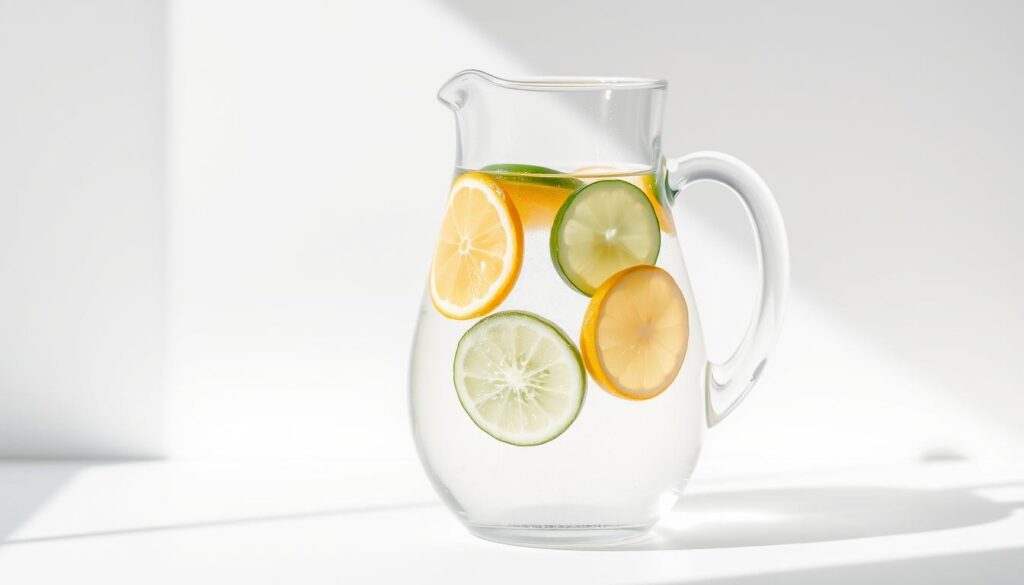
Try mixing different fruits like strawberries, lemons, and oranges to create refreshing flavors. For example, a combination of sliced strawberries and a squeeze of lemon can be particularly invigorating. You can find more ideas on no-added-sugar flavorings.
Vegetable Infusions
Vegetables like cucumbers and carrots can also add a unique twist to your water. Cucumber and mint is a classic combination that can be very refreshing. Experiment with different vegetables to discover your favorite flavors.
Herbs and Spices That Elevate Water
Herbs and spices are another great way to enhance the flavor of your water. Popular options include basil, rosemary, and cinnamon. These ingredients not only add flavor but also provide additional health benefits.
Creating a Rotating Flavor Schedule
To keep your hydration routine interesting, consider creating a rotating flavor schedule. This can involve changing your infusion ingredients daily or weekly to keep things fresh and exciting. For instance, you could have a citrus day, a fruity day, and a herbal day, ensuring that you never get bored with your hydration routine.
Hack #3: Technology-Assisted Hydration
In today’s world, technology plays a significant role in helping us maintain healthy habits, including staying hydrated. The third hack in our hydration series involves harnessing the power of technology to drink more water daily. By leveraging various digital tools and devices, individuals can significantly improve their hydration habits.
Top Hydration Apps and Their Features
Several hydration apps are available to help track water intake and send reminders. Some of the top apps include:
- Waterlogged: A simple and intuitive app that allows users to log their water intake and set reminders.
- Hydro Coach: Offers personalized hydration plans based on user input, such as weight and activity level.
- Plant Nanny: Gamifies hydration by allowing users to grow virtual plants as they drink water.
These apps not only track water consumption but also provide insights into daily habits, helping users identify areas for improvement.
Smart Water Bottles Worth Considering
Smart water bottles are another technological advancement that can aid in hydration. Some notable examples include:
| Product | Features |
|---|---|
| Hidrate Spark | Tracks water intake, glows to remind users to drink, and syncs with fitness trackers |
| Ozmo Water Bottle | Monitors hydration levels and sends data to smartphones via Bluetooth |
Setting Up Effective Reminders
To maximize the benefits of hydration apps and smart bottles, setting up effective reminders is crucial.
Notification Strategies
Users can customize notification settings to receive reminders at optimal times, such as upon waking up or during breaks at work.
Avoiding Alert Fatigue
To prevent alert fatigue, it’s essential to strike a balance between reminders and notifications. Users should adjust the frequency and timing of alerts based on their personal preferences and daily routines.
By combining technology with a well-structured hydration plan, individuals can develop healthier hydration habits and improve their overall wellness.
Hack #4: The Habit Stacking Approach
To drink more water, try integrating it into your daily activities – a strategy known as habit stacking. This approach involves linking water consumption to habits you already have, making it easier to develop a consistent hydration routine.
Linking Water Consumption to Daily Activities
One of the most effective ways to implement habit stacking for hydration is by associating it with daily routines. For instance, you can drink a glass of water as soon as you wake up or before each meal.
Morning Routine Integration
Starting your day with a glass of water can be a refreshing way to rehydrate after a night of sleep. Try placing your water bottle next to your alarm clock as a visual reminder.
Workday Hydration Points
Identify key moments during your workday to drink water, such as when you arrive at your desk, before each break, or during meetings. This can help make hydration a habitual part of your work routine.
Creating Hydration Triggers
To further reinforce your hydration habit, create specific triggers that remind you to drink water. These could be as simple as setting reminders on your phone or placing sticky notes in strategic locations.
Building a Progressive Water Routine
As you become more comfortable with your hydration habit, you can gradually increase your water intake. Start with small increments, such as adding an extra glass of water at one of your designated hydration times.
By stacking your hydration habit onto existing daily routines and creating specific triggers, you can make drinking enough water a sustainable part of your lifestyle, potentially boosting your energy levels and overall health.
Hack #5: Social Accountability Systems
Harnessing the power of social connections can be a game-changer for your hydration goals. By incorporating social accountability into your daily routine, you can significantly enhance your hydration habits and overall wellness.
Social accountability involves sharing your hydration goals with others and leveraging their support to stay on track. This can be achieved through various methods, including hydration challenges, workplace initiatives, and social media engagement.
Hydration Challenges With Friends and Family
Engaging in hydration challenges with friends and family can be a fun and effective way to stay motivated. Here are some ideas to get you started:
- Create a friendly competition to see who can drink the most water over a set period.
- Share daily hydration progress with each other.
- Plan group activities that involve water consumption, such as having a water-drinking contest or a hydration-themed game night.
Workplace Hydration Initiatives
Many workplaces are now implementing wellness programs that include hydration initiatives. Participating in or suggesting such programs can help you stay accountable and encourage your colleagues to do the same.
Some ideas for workplace hydration initiatives include:
- Organizing a monthly “Hydration Challenge” among employees.
- Providing water bottles or hydration tracking devices as part of the wellness program.
- Creating a shared log or app for employees to track their water intake.
Using Social Media for Hydration Motivation
Social media can be a powerful tool for staying motivated and accountable. By sharing your hydration goals and progress on platforms like Instagram or Facebook, you can:
- Connect with like-minded individuals who share your wellness goals.
- Participate in online hydration challenges or communities.
- Share tips and advice with others, reinforcing your own commitment to hydration.
By leveraging social accountability systems, you can create a supportive environment that fosters consistent hydration habits and enhances your overall wellness.
Implementing Your Personal Hydration Strategy
Developing a personal hydration strategy is crucial for maintaining optimal health and energy levels. By tailoring your approach to your specific needs and lifestyle, you can ensure that you’re drinking enough water throughout the day.
Combining Multiple Hacks for Maximum Effect
To create an effective hydration plan, it’s essential to combine multiple hacks that work together seamlessly. This might involve using a hydration app, infusing your water with natural flavors, and stacking your hydration habits onto your daily routine.
Creating Your Custom Hydration Plan
Start by assessing your current hydration habits and identifying areas for improvement. Consider factors like your activity level, climate, and personal preferences when crafting your plan. Be sure to set realistic goals that you can stick to in the long term.
Phasing in New Habits Gradually
To avoid feeling overwhelmed, introduce new hydration habits gradually. For example, you might start by adding an extra glass of water to your morning routine and then gradually increase your intake over time. This approach helps make the new habits stick.
Tracking Progress and Adjusting Your Approach
Monitoring your progress is vital to ensuring that your hydration strategy is working effectively. By tracking key metrics and making adjustments as needed, you can optimize your approach for maximum benefit.
Useful Metrics to Monitor
Some useful metrics to track include your daily water intake, the color of your urine, and how you feel throughout the day. Using a hydration log or app can make it easier to monitor these metrics.
When and How to Modify Your Strategy
If you find that your current hydration plan isn’t meeting your needs, it may be time to make some adjustments. Consider factors like changes in your activity level or climate, and adjust your plan accordingly. Be flexible and willing to make changes as needed.
Conclusion: Your Journey to Better Hydration
Developing a consistent hydration habit can significantly impact overall health and energy levels. By applying the 5 simple water hacks outlined in this article, individuals can improve their water intake and cultivate healthier habits.
Proper hydration is essential for maintaining physical wellness and supporting daily health habits. As discussed, understanding individual hydration needs and leveraging tools like hydration apps and smart water bottles can make a substantial difference.
Starting your journey to better hydration involves making small, incremental changes to daily routines. By combining multiple hydration hacks and tracking progress, individuals can achieve a noticeable boost in energy and overall well-being.
Embracing a hydration-focused lifestyle is a step towards a healthier, more balanced life. With persistence and the right strategies, maintaining optimal hydration becomes an effortless part of daily life.