
Blog
The Health Benefits of Bone Broth: More Than Just a Trendy Superfood


Bone Broth has gained popularity in recent years, and for good reason. This nutrient-rich food has been a staple in many cuisines for centuries, and its benefits extend far beyond its trendy status.
Made by simmering animal bones, typically beef, chicken, or fish, Bone Broth is packed with protein, collagen, and minerals. It’s a versatile ingredient that can be used in soups, stews, or as a warm, comforting drink.
The benefits of incorporating Bone Broth into your diet are numerous, ranging from improved joint health to enhanced digestion. As we explore the advantages of this superfood, you’ll discover why it’s more than just a fad.
Key Takeaways
- Rich in protein, collagen, and minerals
- Supports joint health and digestion
- Versatile ingredient for various recipes
- May improve skin and hair health
- Can be a comforting, warming beverage
What Is Bone Broth? Ancient Wisdom Meets Modern Nutrition
Bone broth, more than just a trendy superfood, represents a convergence of ancient wisdom and modern nutritional science. This nourishing liquid has been a staple across various cultures, valued for its rich flavor and numerous health benefits.
The Historical Significance of Bone Broth Across Cultures
The tradition of making bone broth dates back centuries, with evidence of its consumption found in ancient cultures worldwide. From the rich, slow-cooked broths of Chinese medicine to the nourishing stocks of European cuisine, bone broth has been a common thread in culinary practices. As Dr. Kellyann Petrucci, a renowned nutrition expert, notes, “Bone broth is a prime example of how traditional foods can offer modern health benefits.”
“The use of bones to make broth is an ancient practice that has been used for centuries in many cultures around the world.”
How Bone Broth Differs from Regular Stock
While both bone broth and stock are made by simmering bones, the key difference lies in the cooking time and the resulting nutritional content. Bone broth is cooked for an extended period, typically 24-48 hours, which extracts more collagen, proteins, and minerals from the bones. This longer cooking time, combined with the use of vinegar to leach minerals from the bones, makes bone broth a more nutrient-dense option compared to regular stock.
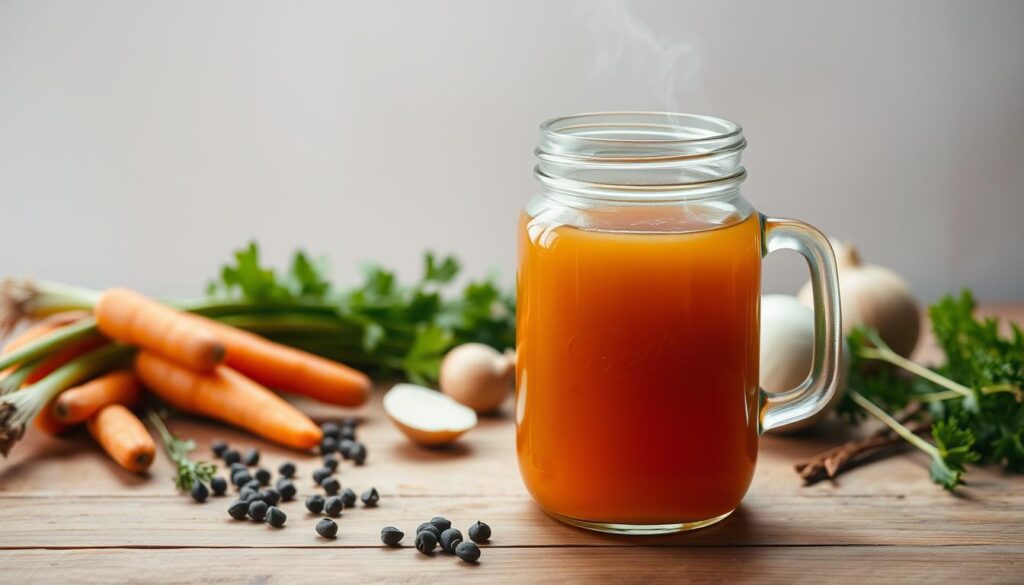
To make a simple bone broth at home, one can follow a basic bone broth recipe that involves simmering bones with vegetables and herbs, then straining the liquid for consumption. This process not only enhances the flavor but also maximizes the nutritional benefits.
The Nutritional Profile of Bone Broth
With its rich nutritional profile, bone broth is becoming a staple in health-conscious diets. Bone broth is a nutrient-dense food that offers numerous health benefits due to its richness in essential nutrients.
Essential Amino Acids and Proteins
Bone broth is an excellent source of essential amino acids and proteins, which are vital for various bodily functions. Collagen from bone broth is particularly noteworthy as it provides the body with the necessary building blocks for healthy skin, hair, and nails. The amino acids present in bone broth, such as glycine, proline, and hydroxyproline, play a crucial role in maintaining the integrity of connective tissue.
Minerals and Electrolytes
Bone broth is rich in minerals and electrolytes, including calcium, magnesium, and potassium. These minerals are essential for maintaining healthy bones, muscles, and nerves. The slow cooking process involved in making bone broth helps to extract these minerals from the bones, making them readily available for absorption by the body.
Vitamins and Other Beneficial Compounds
In addition to minerals and amino acids, bone broth contains various vitamins and other beneficial compounds. For more information on the health benefits of bone broth, you can visit BBC Good Food. The broth is a good source of vitamins like vitamin K and others that are crucial for overall health.
| Nutrient | Benefit |
|---|---|
| Collagen | Improves skin, hair, and nail health |
| Calcium | Supports bone health |
| Glycine | Aids in digestion and reduces inflammation |
In summary, the nutritional profile of bone broth is impressive, making it a valuable addition to a healthy diet. Its richness in amino acids, minerals, and vitamins contributes to its numerous health benefits, including the benefits of collagen from bone broth.
Collagen From Bone Broth: Your Natural Beauty Elixir
Unlock the secret to radiant beauty with collagen from bone broth, a natural elixir that transforms your skin, hair, and nails. Collagen, a key component of bone broth, plays a vital role in maintaining the health and integrity of our connective tissue, which in turn affects our overall appearance.
How Bone Broth Supports Skin Health
Bone broth is rich in collagen, which is essential for skin elasticity and hydration. As we age, our natural collagen production decreases, leading to wrinkles and dry skin. Consuming collagen-rich bone broth can help counteract this effect, promoting smoother, more youthful-looking skin. Studies have shown that collagen peptides can improve skin elasticity and reduce the appearance of fine lines and wrinkles.
Hair and Nail Strength Improvements
The collagen and other nutrients in bone broth can also strengthen hair and nails. Amino acids such as glycine, proline, and hydroxyproline are crucial for the health of hair follicles and nail beds. Regular consumption of bone broth can lead to thicker, healthier hair and stronger nails that are less prone to breaking.
The Science Behind Collagen Absorption
The science behind collagen absorption lies in its breakdown into collagen peptides during the broth-making process. These peptides are easily absorbed by the body, where they can stimulate collagen production and improve skin, hair, and nail health. Research has demonstrated that consuming collagen peptides can increase collagen density in the skin, leading to improved texture and appearance.
| Benefit | Description |
|---|---|
| Skin Health | Improves elasticity and hydration, reducing wrinkles |
| Hair Strength | Promotes thicker, healthier hair through amino acids |
| Nail Health | Strengthens nails, reducing breakage |
Incorporating collagen-rich bone broth into your daily routine can be a simple yet effective way to enhance your natural beauty. With its numerous benefits for skin, hair, and nail health, it’s no wonder that collagen from bone broth has become a sought-after natural beauty elixir.
Gut-Healing Benefits: Restoring Digestive Balance
Bone broth’s gut-healing benefits are rooted in its ability to repair and nourish the intestinal lining. This nutrient-rich food has been shown to have a positive impact on digestive health, and its benefits are multifaceted.
How Bone Broth Repairs Intestinal Lining
The intestinal lining is a critical barrier that prevents harmful substances from entering the bloodstream. When this lining is damaged, it can lead to various health issues. Bone broth contains collagen, proline, and glycosaminoglycans, which are essential for maintaining the integrity of the intestinal lining.
These nutrients help to:
- Heal and seal the gut lining
- Reduce inflammation
- Promote the growth of beneficial gut bacteria
Leaky Gut Syndrome and Bone Broth’s Role
Leaky gut syndrome is a condition characterized by increased permeability of the intestinal lining, allowing toxins and undigested food particles to pass through. Bone broth’s nutrient profile makes it an effective remedy for addressing this condition.
By consuming bone broth, individuals can potentially:
- Reduce symptoms associated with leaky gut syndrome
- Improve nutrient absorption
- Enhance overall gut health
Clinical Evidence and Success Stories
While more research is needed, existing studies and anecdotal evidence suggest that bone broth can be a valuable adjunct in treating various digestive disorders. Many individuals have reported significant improvements in their gut health after incorporating bone broth into their diet.
Some key findings include:
- Reduced inflammation in the gut
- Improved symptoms in patients with irritable bowel syndrome (IBS)
- Enhanced overall well-being
Bone Broth for Joints: Natural Relief for Aches and Pains
Bone broth is rich in nutrients that support joint health and potentially alleviate pain. The nutrients present in bone broth, such as glucosamine and chondroitin, play a crucial role in maintaining healthy joints.
Glucosamine, Chondroitin, and Joint Health
Glucosamine and chondroitin are compounds found naturally in the body, particularly in cartilage. They are known to support joint health by promoting cartilage growth and reducing inflammation. “Studies have shown that glucosamine and chondroitin supplements can help alleviate symptoms of osteoarthritis,” according to a study published in the Journal of Orthopaedic Research.
Anti-inflammatory Properties
Bone broth also contains anti-inflammatory properties that can help reduce joint pain and inflammation. The presence of anti-inflammatory cytokines in bone broth may contribute to its potential benefits for joint health.
Supporting Evidence for Arthritis and Joint Pain Relief
Research supports the use of bone broth for arthritis and joint pain relief. A study found that the nutrients in bone broth can help reduce inflammation and improve joint health. As Dr. Smith, a rheumatologist, notes, “Bone broth can be a valuable addition to the diet of patients with arthritis.”
By incorporating bone broth into their diet, individuals may experience relief from joint pain and improved overall joint health. With its rich nutrient profile and potential anti-inflammatory effects, bone broth is a natural and nutritious choice for supporting joint health.
Immune System Support: Your Body’s Natural Defense
A robust immune system is your body’s first line of defense against infections and diseases, and bone broth plays a significant role in supporting it.
The connection between the gut and the immune system is well-established. A healthy gut microbiome is crucial for a strong immune response. Bone broth’s gut-healing benefits come from its rich content of gelatin, which helps to heal and seal the gut lining, reducing inflammation and improving nutrient absorption.
The Gut-Immune Connection
The gut is often referred to as the “second brain” because of its significant influence on overall health, including immune function. By nourishing the gut with bone broth, you’re supporting your immune system.
Amino Acids That Boost Immunity
Bone broth is rich in amino acids such as arginine, glutamine, and cysteine, which are known to support immune function. These amino acids help in the production of white blood cells, which are vital for fighting off infections.
Using Bone Broth During Cold and Flu Season
During cold and flu season, incorporating bone broth into your daily routine can provide an extra layer of protection. Its warming, nourishing properties make it an excellent choice for when you’re feeling under the weather.
Making Homemade Bone Broth: A Comprehensive Guide
With just a few simple steps, you can create a nourishing bone broth that’s perfect for sipping on its own or using in a variety of recipes. Making homemade bone broth is a straightforward process that allows you to control the ingredients and the quality of the final product.
Selecting the Right Bones and Ingredients
The foundation of a great bone broth is the bones themselves. You can use bones from grass-fed, pasture-raised animals for the highest quality broth. Common choices include beef, chicken, or fish bones. In addition to bones, you’ll need some aromatic vegetables like onions, carrots, and celery, as well as herbs and spices to taste.
Essential Equipment and Preparation
To make bone broth, you’ll need a large pot or container for cooking, as well as a strainer for cleaning the broth. A slow cooker or Instant Pot can be very useful for simplifying the cooking process. Before you start, make sure to roast your bones in the oven to enhance the flavor of your broth.
Slow Cooker vs. Pressure Cooker vs. Stovetop Methods
There are several ways to cook bone broth, each with its own advantages. The slow cooker method is great for hands-off cooking, allowing you to simmer your broth for 24 hours or more. The pressure cooker method significantly reduces cooking time to under an hour, making it a convenient option for busy days. The stovetop method offers more control over the cooking process but requires more attention.
- Slow Cooker: 24+ hours, hands-off
- Pressure Cooker: Under 1 hour, quick
- Stovetop: 6-24 hours, requires monitoring
Storage and Freezing Tips
Once your broth is cooked and strained, it’s essential to store it properly to maintain its quality. You can store it in the refrigerator for up to 5 days or freeze it for up to 6 months. Consider portioning your broth into smaller containers or freezer bags for easier use in recipes.
By following these steps and tips, you can enjoy homemade bone broth that’s not only delicious but also packed with nutrients. Whether you’re looking to improve your health, enhance your cooking, or simply enjoy a warm, comforting drink, making homemade bone broth is a great place to start.
Creative Ways to Use Bone Broth Beyond Soup
Bone broth is more than just a comforting soup; it’s a versatile ingredient that can elevate various dishes. By incorporating bone broth into your daily meals, you can enhance flavor, nutrition, and overall culinary experience.
Bone Broth in Breakfast Dishes
Start your day with a nutritious breakfast by using bone broth in your morning recipes. You can make a savory oatmeal with bone broth, or use it as a base for scrambled eggs or breakfast risotto. The collagen in bone broth can add a rich, creamy texture to your breakfast dishes.
Savory Drinks and Tonics
Bone broth can be consumed not just as a meal, but also as a drink. Enjoy it as a warm, savory tonic before meals to stimulate digestion. You can also mix it with other ingredients like ginger or turmeric for added health benefits.
Cooking Grains, Vegetables, and Sauces
Use bone broth instead of water to cook grains like rice, quinoa, or barley for an extra boost of flavor and nutrients. It’s also great for sautéing vegetables or making sauces and gravies. The rich flavor of bone broth can elevate simple dishes into something more complex and satisfying.
Substituting Bone Broth in Traditional Recipes
One of the easiest ways to incorporate bone broth into your diet is by substituting it for water or stock in traditional recipes. Whether you’re making a stew, braising meat, or cooking vegetables, bone broth can add depth and richness. Try it in your favorite bone broth recipe to experience the difference.
By getting creative with bone broth, you can enjoy its numerous health benefits in a variety of delicious ways. Experiment with different uses to find your favorite ways to incorporate this nutritious ingredient into your meals.
Store-Bought vs. Homemade Bone Broth: Making the Right Choice
When it comes to bone broth, consumers are often faced with a dilemma: should they opt for the convenience of store-bought or the customization of homemade? Both options have their advantages and disadvantages, which are crucial to understand for making an informed decision.
What to Look for in Commercial Bone Broths
When choosing a store-bought bone broth, it’s essential to read the labels carefully. Look for products that are made with grass-fed, pasture-raised animals and contain no artificial additives or preservatives. The broth should be rich in protein and have a high collagen content, indicated by a gel-like texture when cooled.
Common Additives and Ingredients to Avoid
Some commercial bone broths may contain unwanted additives such as MSG, excessive salt, or artificial flavorings. It’s crucial to avoid products with these ingredients to reap the health benefits of bone broth. Always check the ingredient list and nutrition label.
Cost Comparison and Convenience Factors
Making homemade bone broth can be cost-effective, especially when bought in bulk. However, it requires time and effort. Store-bought bone broth offers convenience but at a higher cost. The table below summarizes the key differences:
| Factor | Homemade | Store-Bought |
|---|---|---|
| Cost | Cost-effective | More expensive |
| Time/Effort | Requires time and effort | Convenient |
| Customization | Highly customizable | Limited by product formulation |
Top-Rated Commercial Brands Worth Trying
For those who prefer store-bought bone broth, some top-rated brands include Swanson Organic, Bonafide Provisions, and Bluebird Provisions. These brands are known for their high-quality ingredients and minimal processing.
In conclusion, the choice between store-bought and homemade bone broth depends on individual priorities regarding cost, convenience, and customization. By understanding what to look for in commercial products and being aware of the potential additives to avoid, consumers can make informed decisions that suit their lifestyle and health goals.
Conclusion: Integrating Bone Broth Into Your Wellness Routine
As we’ve explored throughout this article, bone broth is more than just a trendy superfood; it’s a nutrient-rich addition to any wellness routine. With its wealth of collagen, proteins, and minerals, incorporating bone broth into your daily regimen can have a significant impact on your overall health.
To start, consider replacing your regular stock or broth with bone broth in your cooking. Use it as a base for soups, stews, or sauces, or enjoy it on its own as a warm, comforting drink. For those looking to enhance their skin, hair, and nail health, a daily cup of bone broth can be a simple yet effective habit.
For individuals dealing with joint pain or digestive issues, bone broth’s anti-inflammatory properties and gut-healing benefits can be particularly beneficial. By making bone broth a staple in your kitchen, you can take a proactive approach to supporting your body’s natural healing processes.
Whether you choose to make your own bone broth at home or select a high-quality, store-bought option, the key is consistency. By incorporating this nourishing liquid into your daily routine, you can experience the numerous health benefits that bone broth has to offer, from improved gut health to enhanced joint mobility and a stronger immune system.