
Blog
The Age of the Deepfake: Navigating Synthetic Media, Verifying Authenticity, and New Creator Tools**

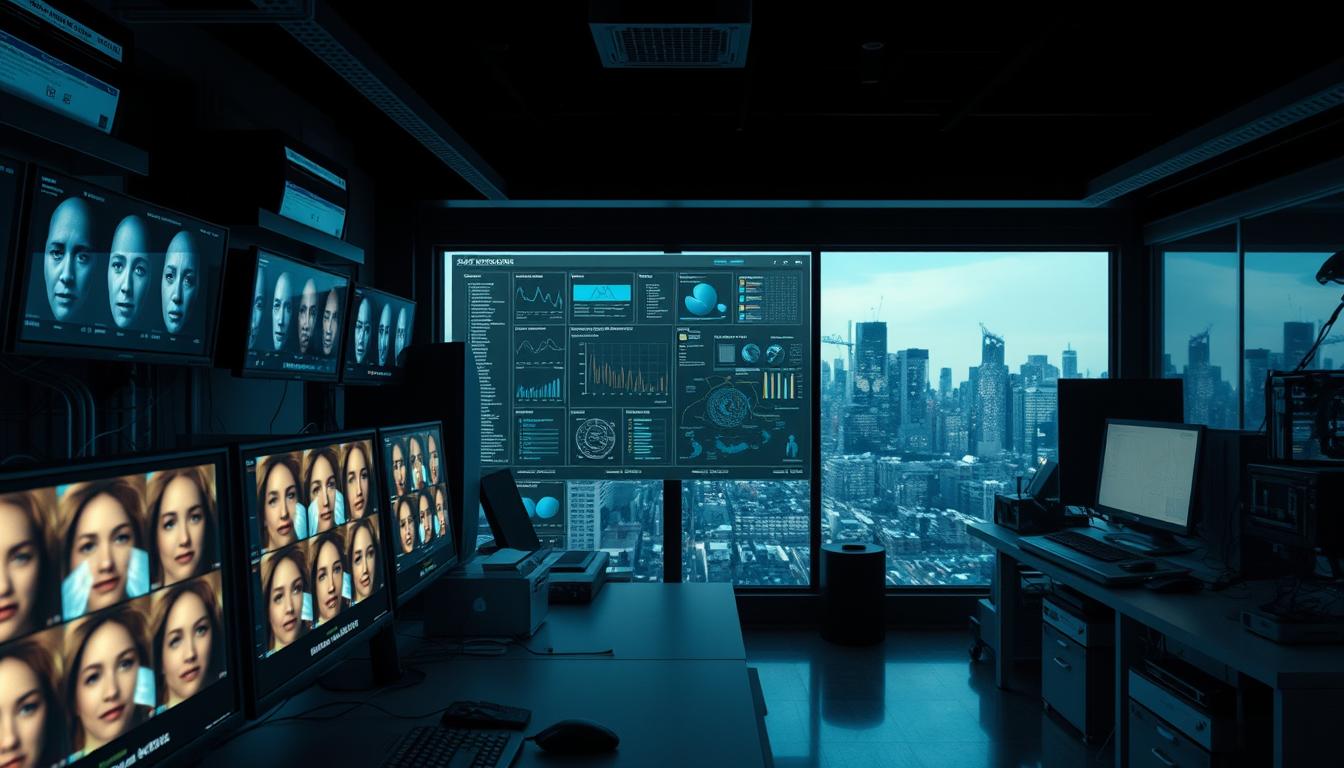
The rise of deepfakes has sparked a heated debate about the authenticity of digital content. As AI-generated videos and images become increasingly sophisticated, it’s becoming harder to distinguish between what’s real and what’s fabricated.
The emergence of synthetic media has significant implications for content creators, fact-checkers, and consumers alike. As we navigate this new landscape, it’s essential to develop effective tools for verifying authenticity and ensuring the integrity of digital content.
Key Takeaways
- The growing prevalence of deepfakes is changing the way we consume and interact with digital content.
- New tools are being developed to detect and verify the authenticity of AI-generated content.
- The ethics of generative media are being debated across industries and communities.
- Content creators must adapt to the evolving landscape of synthetic media.
- Verifying authenticity is crucial for maintaining trust in digital media.
The Evolution of Deepfakes in Digital Communication
The rise of deepfakes marks a new era in digital communication, where authenticity is increasingly questioned. As technology advances, the line between reality and synthetic media continues to blur.
Defining the Deepfake Phenomenon
Deepfakes are synthetic media, typically videos or audios, that replace a person’s face or voice with someone else’s using AI video creation techniques. This technology has evolved significantly, making it challenging to distinguish between real and fake content. As deepfake technology becomes more accessible, its applications are expanding beyond entertainment to various aspects of digital communication.
The Acceleration of AI-Generated Content
The acceleration of AI-generated content is transforming digital media. With the ability to create convincing deepfakes, the need for content authenticity standards has become more pressing. As stated by a recent report, “The proliferation of deepfakes necessitates a robust framework for verifying the authenticity of digital content.” Ensuring the integrity of digital media is crucial in maintaining trust in online communications.
As AI continues to advance, the development of tools to detect and mitigate the effects of deepfakes is essential. This cat-and-mouse game between creating and detecting deepfakes will shape the future of digital communication.
Synthetic Media: Technologies and Foundations
Generative AI and machine learning models are the backbone of synthetic media, enabling unprecedented levels of creativity and realism. These technologies have not only advanced the field of digital content creation but have also raised important questions regarding generative media ethics.
Technical Underpinnings of Generative AI
The technical foundation of synthetic media lies in complex algorithms and neural networks that can generate highly realistic content. These neural networks are trained on vast datasets, allowing them to learn patterns and produce new content that mimics the original data.
Neural Networks and Machine Learning Models
Neural networks and machine learning models are crucial for the development of synthetic media. They enable the creation of sophisticated models that can generate text, images, and videos with high fidelity.
| Technology | Description | Application |
|---|---|---|
| Generative Adversarial Networks (GANs) | AI models that generate content by competing with each other | Image and video generation |
| Neural Networks | Complex algorithms modeled after the human brain | Content generation and manipulation |
| Machine Learning Models | Statistical models that enable machines to learn from data | Predictive analysis and content creation |
From Research Labs to Mainstream Applications
The transition of synthetic media technologies from research environments to mainstream applications has been rapid. This shift has been driven by advancements in AI and the increasing availability of powerful computing resources.
As synthetic media continues to evolve, it is crucial to address the challenges associated with synthetic content regulation. This includes developing frameworks that can effectively manage the ethical and legal implications of these technologies.
The Creative Revolution: Beneficial Applications
Synthetic media is opening new avenues for creators in the entertainment and education sectors. This technology is not only enhancing the quality of content but also making it more accessible to a wider audience.
Entertainment Industry Transformations
The entertainment industry is witnessing a significant transformation with the advent of AI video creation tools. These tools enable filmmakers to produce high-quality visual effects without the need for expensive equipment or extensive manpower. For instance, deepfakes are being used to de-age actors or recreate historical figures in movies and documentaries.
Educational and Accessibility Advantages
Synthetic media is also revolutionizing education by making learning more engaging and accessible. For example, educational videos can be created with personalized content for students, enhancing their learning experience. Moreover, synthetic media can help make educational content more accessible to people with disabilities.
Case Studies of Positive Impact
Several case studies highlight the positive impact of synthetic media. For instance, a popular educational platform used AI-generated videos to create customized learning materials for students with different learning needs. Another example is a film production company that utilized deepfakes to recreate a historical event, making the scene more realistic and engaging for the audience.
| Industry | Application | Benefit |
|---|---|---|
| Entertainment | AI video creation | Enhanced visual effects |
| Education | Personalized learning content | Increased engagement |
As synthetic media continues to evolve, its applications in various industries are expected to grow, bringing about more innovative and creative solutions.
Dark Side of Deepfakes: Misinformation and Manipulation
As deepfakes become more sophisticated, their potential for causing harm through misinformation and manipulation grows. This emerging technology poses significant threats not only to individuals but also to society at large.
Political and Social Disruption Potential
Deepfakes can be used to create convincing fake videos or audio recordings that could disrupt political processes or sway public opinion. This could lead to social unrest or undermine trust in institutions.
Personal Privacy Violations
The technology can also be used to violate personal privacy by creating non-consensual content. This raises serious concerns about consent and control over one’s own image.
Notable Incidents and Consequences
There have been several notable incidents where deepfakes were used to manipulate public figures or spread misinformation. For instance, deepfake videos of political leaders have been used to influence public opinion. Such incidents highlight the need for synthetic content regulation and content authenticity standards.
The consequences of such actions can be severe, ranging from reputational damage to influencing election outcomes. Thus, it’s crucial to develop and implement effective measures to detect and mitigate deepfakes.
Creator Tools Reshaping Digital Content Production
The rise of AI-powered creator tools is reshaping the digital content production industry. These innovative technologies are not only enhancing the quality and diversity of content but also making it more accessible to creators of all skill levels.
Text-to-Video Generation Platforms
Text-to-video generation platforms represent a significant leap forward in content creation. These platforms allow users to input text and generate high-quality video content, complete with visuals and audio. AI video creation tools like these are revolutionizing industries such as marketing, education, and entertainment.
For instance, a marketing team can use these tools to quickly produce promotional videos, while educators can create engaging lesson content. The potential applications are vast, and the ease of use is making video production accessible to those without extensive technical expertise.
Voice Synthesis and Audio Manipulation
Voice synthesis and audio manipulation technologies are another crucial aspect of modern creator tools. These technologies enable the creation of realistic voiceovers and the manipulation of audio tracks to fit various content needs. Generative media ethics come into play here, as these tools can be used to create convincing audio content that may require careful consideration of authenticity and transparency.
For example, voice synthesis can be used to create narrations for videos or audiobooks, while audio manipulation can enhance the quality of recordings or create special effects. These tools are invaluable for podcasters, video producers, and musicians looking to expand their creative possibilities.
Accessibility Features for Non-Technical Users
One of the most significant advantages of modern creator tools is their accessibility. Many platforms now offer user-friendly interfaces that allow non-technical users to produce high-quality content. Drag-and-drop interfaces, pre-made templates, and guided tutorials are just a few features that make these tools accessible to everyone.
As noted by a recent industry report, “The democratization of content creation through AI-powered tools is leveling the playing field, allowing small businesses and individual creators to produce content that rivals that of larger companies.” This accessibility is fostering a more diverse and vibrant content landscape.
“The democratization of content creation through AI-powered tools is leveling the playing field, allowing small businesses and individual creators to produce content that rivals that of larger companies.”
In conclusion, the new creator tools are not only enhancing the quality and diversity of digital content but also making it more accessible. As these technologies continue to evolve, we can expect to see even more innovative applications across various industries.
Deepfake Detection: Technologies and Methodologies
Detecting deepfakes is a complex challenge that requires a multi-faceted approach. As deepfake technology advances, so too must the methods used to detect them.
AI-Powered Detection Systems
AI-powered detection systems are at the forefront of the battle against deepfakes. These systems utilize machine learning algorithms to identify the subtle inconsistencies that often betray deepfakes. By analyzing vast datasets of both authentic and manipulated content, AI models can learn to recognize the patterns that distinguish real from fake.
Some key features of AI-powered detection include:
- Analysis of facial expressions and movements
- Examination of audio for inconsistencies in tone and pitch
- Detection of artifacts introduced during the deepfake creation process
Visual and Audio Forensics
Visual and audio forensics play a crucial role in deepfake detection. Forensic analysis involves a detailed examination of the media in question, looking for signs that may indicate manipulation. This can include:
- Inspecting the video for unnatural movements or inconsistencies
- Analyzing the audio for signs of tampering or inconsistencies with the visual content
Despite the advancements in deepfake detection, there are still significant limitations to current methods. One of the primary challenges is the cat-and-mouse game between detection technologies and deepfake creators. As detection methods improve, so too do the techniques used to evade them.
Some of the limitations include:
- The constant evolution of deepfake technology
- The need for continuous updates to detection algorithms
- The challenge of detecting deepfakes in low-quality or compressed media
As the field continues to evolve, it’s clear that a combination of technological innovation and human oversight will be necessary to effectively combat the threat posed by deepfakes.
Verifying Authenticity in the Digital Age
As deepfakes and AI-generated content proliferate, the need for robust verification methods has never been more critical. The digital age has brought about significant advancements in content creation, but it has also introduced challenges in verifying the authenticity of online content.
Content Provenance Solutions
Content provenance involves tracking the origin and history of digital content. This can be achieved through various methods, including metadata tagging and blockchain technology. By providing a clear record of a content’s creation and dissemination, content provenance solutions can help users assess the authenticity of digital media.
Digital Signatures and Watermarking
Digital signatures and watermarking are techniques used to verify the authenticity and integrity of digital content. Digital signatures use encryption to confirm the identity of the content creator, while watermarking involves embedding a hidden identifier within the content itself.
User-Friendly Verification Tools
To make verification accessible to a broad audience, user-friendly tools are essential. These tools should be designed to be intuitive, allowing users to easily verify the authenticity of digital content without requiring extensive technical knowledge. Examples include browser extensions and mobile apps that can analyze content and provide authenticity reports.
By implementing these verification methods, we can work towards a more trustworthy digital environment.
Content Authenticity Standards and Initiatives
As deepfakes become increasingly prevalent, the need for content authenticity standards has never been more pressing. The digital landscape is evolving rapidly, with AI-generated content becoming more sophisticated by the day. This has led to a surge in initiatives aimed at verifying the authenticity of digital media.
Industry Coalitions and Frameworks
Several industry coalitions have formed to tackle the challenge of content authenticity. For instance, the Coalition for Content Provenance and Authenticity (C2PA) is working on developing standards for content provenance. This involves creating a framework that allows creators to sign their work, providing a digital signature that can be used to verify the content’s authenticity.
“The C2PA is bringing together a diverse range of stakeholders to develop a comprehensive standard for content provenance.”
Technical Standards Development
Technical standards are being developed to help identify and flag potentially manipulated content. This includes the use of digital watermarking and blockchain technology to track the origin and history of digital media.
| Technology | Description | Application |
|---|---|---|
| Digital Watermarking | Embedding a hidden signature in digital content | Identifying manipulated content |
| Blockchain | Decentralized ledger technology | Tracking content provenance |
Implementation Challenges
Despite the progress being made, there are still significant challenges to implementing these standards. One of the main hurdles is ensuring that these technologies are compatible with existing systems and workflows. Additionally, there is a need for widespread adoption across the industry to make a meaningful impact.

The development of content authenticity standards is a complex task that requires collaboration across the industry. By working together, we can create a more trustworthy digital environment.
Legal and Regulatory Approaches to Synthetic Content
As synthetic content becomes increasingly prevalent, governments worldwide are grappling with the challenge of regulating this emerging technology. The need for effective regulation is pressing, given the potential of synthetic content to mislead and manipulate.
United States Legislation and Policies
In the United States, lawmakers are taking a multifaceted approach to address the challenges posed by synthetic content. For instance, the DEEPFAKES Accountability Act aims to combat the malicious use of deepfakes by requiring creators to watermark their content. This move is part of a broader effort to enhance transparency and accountability in the digital media landscape.
Moreover, some states are implementing their own regulations. California, for example, has passed a law banning the use of deepfakes in political campaigns within 60 days of an election. This patchwork of regulations highlights the complexity of addressing synthetic content at the national level.
Global Regulatory Landscape
Globally, the response to synthetic content has been varied. The European Union’s approach, for instance, focuses on the Digital Services Act, which includes provisions for identifying and mitigating the spread of disinformation, including deepfakes. For more information on how AI is shaping other areas, such as virtual celebrities, visit this article.
Enforcement Challenges and Solutions
One of the significant challenges in regulating synthetic content is enforcement. With the rapid evolution of technology, regulatory frameworks must be adaptable. One potential solution is the use of AI-powered detection tools to identify deepfakes.
Effective regulation will require collaboration between governments, technology companies, and civil society to develop and implement robust detection and mitigation strategies. By working together, it’s possible to mitigate the risks associated with synthetic content while preserving its benefits.
Building Media Literacy for Synthetic Content Era
In an era where authenticity is challenged by advanced synthetic content, media literacy emerges as a vital skill. As we navigate the complexities of AI-generated media, it’s essential to develop strategies for critically evaluating the information we consume.
Educational Strategies for Different Demographics
Media literacy education should be tailored to different age groups and demographics. For younger audiences, this might involve integrating media literacy into school curricula, focusing on interactive and engaging methods. For older adults, workshops and online resources can provide practical tips for identifying synthetic content.
Critical Evaluation Frameworks
Developing frameworks for critical evaluation is crucial. This involves understanding the basics of how synthetic content is created, recognizing the signs of manipulation, and using fact-checking tools. Critical thinking is at the heart of media literacy, enabling individuals to make informed decisions about the content they consume.
Institutional and Individual Responsibilities
Both institutions and individuals have roles to play in promoting media literacy. Institutions can provide resources and infrastructure for education, while individuals must take an active role in seeking out knowledge and applying critical evaluation skills. Collaboration between tech companies, educators, and policymakers is key to creating a comprehensive approach to media literacy.
| Demographic | Educational Approach | Key Focus |
|---|---|---|
| Children | Interactive School Programs | Basic Media Literacy |
| Young Adults | Online Courses and Workshops | Critical Evaluation Techniques |
| Older Adults | Community Workshops | Practical Identification Skills |
By fostering a culture of media literacy, we can empower individuals to navigate the complex landscape of synthetic content with confidence. This involves not just education, but a commitment to content authenticity standards and generative media ethics.
The Future of Synthetic Media Creation and Detection
The landscape of synthetic media is rapidly evolving, driven by advancements in AI video creation and detection technologies. As we look to the future, it’s clear that emerging technologies will play a crucial role in shaping the industry.
Emerging Technologies and Capabilities
New tools and platforms are being developed to enhance AI video creation, allowing for more sophisticated and realistic content generation. For instance, Synthesia.io is at the forefront of this innovation, providing cutting-edge solutions for synthetic media creation.
The Arms Race Between Creation and Verification
As synthetic media creation becomes more advanced, the need for effective detection methods grows. This has led to an arms race between creators of synthetic media and those developing detection technologies. Regulatory bodies are also getting involved, exploring ways to implement synthetic content regulation to mitigate potential misuse.
Potential Societal Adaptations
Society will need to adapt to the changing landscape of synthetic media. This includes developing media literacy programs to help the public critically evaluate the content they consume. By understanding the potential impacts of synthetic media, we can better prepare for the challenges and opportunities it presents.
Conclusion: Embracing Innovation While Protecting Truth
The rise of synthetic media, including deepfakes, presents both opportunities and challenges. As creator tools become more sophisticated, the need for effective deepfake detection and content authenticity standards grows. Balancing innovation with the need to protect truth and authenticity is crucial.
Generative media ethics play a significant role in this balance. By understanding the technical underpinnings of synthetic media and the potential for misinformation, we can develop strategies to mitigate risks. Industry coalitions and frameworks are working to establish content authenticity standards, ensuring that the benefits of synthetic media are realized while minimizing harm.
As we move forward, it is essential to prioritize media literacy and critical evaluation frameworks. By doing so, we can empower individuals to navigate the complex digital landscape effectively. The future of synthetic media creation and detection will depend on our ability to adapt and innovate while maintaining a commitment to truth and authenticity.