
Blog
Phygital Shopping: Blending E-commerce and In-Store Experience with AR and Personalized Data**

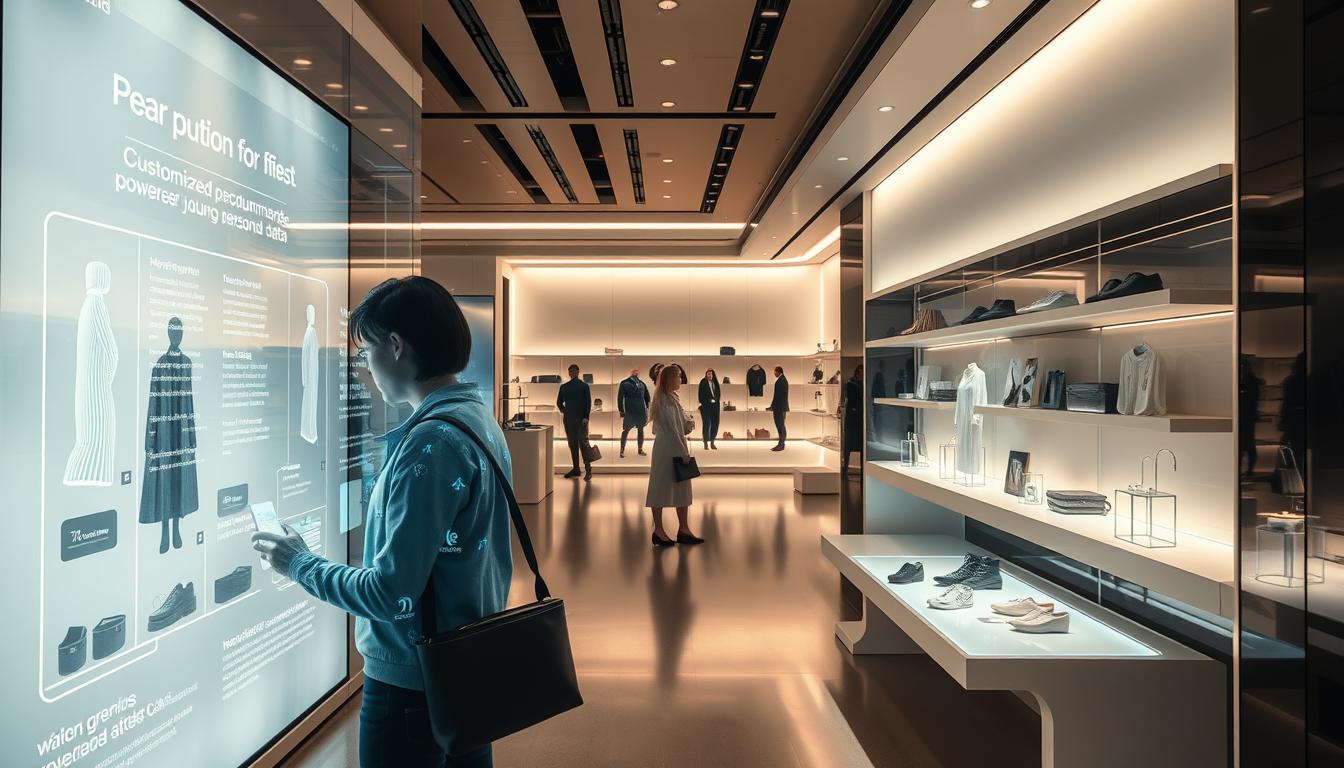
The retail landscape is undergoing a significant transformation with the emergence of phygital shopping, a concept that seamlessly blends the online and offline shopping experiences. By leveraging Augmented Reality (AR) and personalized data, retailers can now offer customers a more immersive and tailored shopping experience.
This innovative approach is revolutionizing the way consumers interact with brands, allowing them to enjoy the best of both worlds. For instance, customers can now try out products virtually using AR technology, similar to how makeup enthusiasts are using virtual try-on features, as seen in the latest makeup trends.
Key Takeaways
- Phygital shopping combines e-commerce and in-store experiences.
- AR technology enhances customer engagement.
- Personalized data helps tailor the shopping experience.
- Retailers can increase customer loyalty through phygital shopping.
- The blend of online and offline shopping is the future of retail.
The Retail Transformation: Where Physical Meets Digital
The retail landscape is undergoing a significant transformation as physical and digital channels converge. This shift is driven by changing consumer behaviors and technological advancements, leading to the creation of experiential retail environments that combine the best of both worlds.
Traditional Retail’s Evolution in the Digital Age
Traditional retail is evolving by incorporating digital elements to enhance the shopping experience. Retailers are now using technology to create personalized customer journeys, tailoring their offerings to individual preferences and behaviors. This evolution is crucial in maintaining customer engagement and loyalty.
The Emergence of Omnichannel Experiences
The emergence of omnichannel experiences has revolutionized the way retailers interact with customers. By integrating online and offline channels, retailers can provide a seamless shopping experience, allowing customers to move effortlessly between digital and physical touchpoints. Key aspects of omnichannel experiences include:
- Consistent branding across all channels
- Integrated inventory management
- Personalized marketing across platforms
What is Phygital Retail? Understanding the New Shopping Paradigm
By combining the strengths of digital and physical retail, phygital retail offers a seamless shopping experience. This innovative approach to retail is changing the way consumers interact with brands, creating a more engaging and personalized experience.
Defining the Physical-Digital Convergence
The physical-digital convergence in retail refers to the integration of digital technologies into physical stores to enhance the shopping experience. This includes using augmented reality (AR), artificial intelligence (AI), and data analytics to create a more immersive and tailored experience for customers.
Some key features of this convergence include:
- Interactive displays and smart mirrors
- Personalized recommendations based on customer data
- Seamless checkout processes
As stated by a retail expert, “The future of retail is about creating an ecosystem where the physical and digital worlds come together to provide a cohesive brand experience.” This convergence is not just about technology; it’s about creating a more engaging and personalized experience for customers.
Key Components of Successful Phygital Strategies
To implement successful phygital strategies, retailers must focus on several key components. These include:
- Omnichannel engagement: Ensuring a consistent brand experience across all touchpoints, from online to in-store.
- Data-driven insights: Using customer data to inform retail decisions and create personalized experiences.
- Innovative technologies: Leveraging technologies like AR and AI to enhance the shopping experience.
By incorporating these components, retailers can create a phygital experience that not only meets but exceeds customer expectations, driving loyalty and growth in the process.
The Future of Retail: How Phygital Experiences Are Reshaping Consumer Expectations
The retail landscape is undergoing a significant transformation as phygital experiences redefine consumer expectations. As retailers continue to blend the physical and digital aspects of shopping, consumers are beginning to expect a seamless, integrated experience across all touchpoints.
Post-Pandemic Shopping Behavior Shifts
The pandemic has accelerated changes in consumer behavior, with a notable shift towards online shopping. However, as restrictions ease, consumers are returning to physical stores, but with new expectations. “Retailers must adapt to these changes by offering experiences that combine the best of both worlds,” says a retail expert. This includes implementing AR shopping technologies to enhance in-store experiences.
Consumers now expect to be able to browse products online, check availability in-store, and then purchase either online or in-person. This shift requires retailers to have robust inventory management systems and a strong online presence.
Gen Z and Millennial Expectations for Seamless Experiences
Younger generations, particularly Gen Z and Millennials, are driving the demand for personalized customer journeys. They expect retailers to understand their preferences and offer tailored experiences. This can be achieved through the use of data analytics and AI-driven personalization engines.
For instance, retailers can use mobile apps to offer personalized recommendations, exclusive offers, and streamlined checkout processes. By doing so, they create a cohesive, phygital experience that meets the expectations of younger consumers.
Augmented Reality: Revolutionizing the Shopping Experience
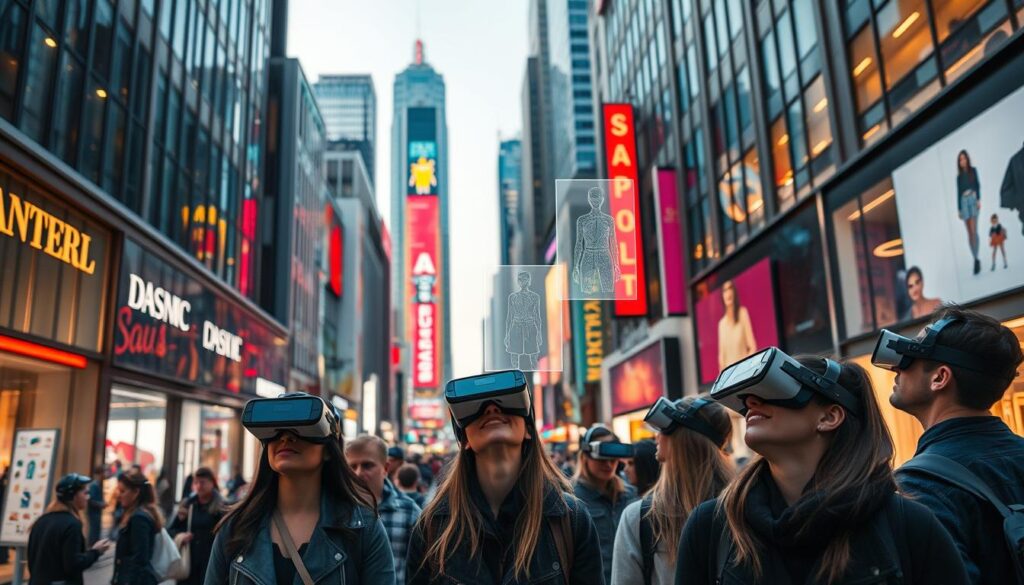
As we step into the future of retail, augmented reality emerges as a key player, revolutionizing how we shop. Augmented reality (AR) technology is transforming the retail landscape by providing customers with immersive and interactive experiences that blend the physical and digital worlds.
Virtual Try-Ons and Product Visualization Technologies
One of the most significant applications of AR in retail is virtual try-ons and product visualization. Using AR, customers can see how products would look on them without physically trying them on. For instance, cosmetic brands like Sephora and beauty retailers are using AR to let customers virtually try on makeup, enhancing the shopping experience and reducing returns.
AR-Powered In-Store Navigation and Discovery
AR is also being used to improve in-store navigation and product discovery. Retailers are implementing AR-powered apps that help customers find products, navigate store layouts, and receive personalized recommendations. This not only enhances the shopping experience but also increases customer engagement and loyalty.
Innovative AR Applications in Retail
Beyond try-ons and navigation, AR is being used in various innovative ways in retail. For example, some retailers are using AR to create interactive product demonstrations, virtual product information displays, and even gamified shopping experiences. These applications are not only enhancing the shopping experience but also providing retailers with valuable insights into customer behavior.
The use of AR in retail is creating a more engaging, personalized, and seamless shopping experience. As AR technology continues to evolve, we can expect to see even more innovative applications in the retail sector, further blurring the lines between online and offline shopping.
The Power of Personalized Data in Creating Tailored Shopping Journeys
The rise of phygital shopping experiences has made personalized data a crucial element in creating tailored customer journeys. By leveraging data from various touchpoints, retailers can now offer highly personalized experiences that cater to individual customer preferences.
Customer Data Collection Across Touchpoints
Effective customer data collection is the foundation of personalized retail experiences. Retailers can gather valuable insights by tracking customer interactions across multiple touchpoints, including:
- In-store purchases
- Online browsing history
- Social media engagement
- Mobile app interactions
By analyzing this data, retailers can identify patterns and preferences that help in creating targeted marketing campaigns and personalized product recommendations.
AI-Driven Personalization Engines
AI-driven personalization engines are revolutionizing the way retailers interact with customers. These advanced systems use machine learning algorithms to analyze customer data and predict future behavior. For instance, AI can help retailers:
- Recommend products based on browsing history and purchase behavior
- Offer personalized discounts and promotions
- Optimize inventory levels based on predicted demand
According to a recent study, retailers that implement AI-driven personalization see a significant increase in customer engagement and sales.
| Personalization Strategy | Impact on Customer Engagement | Impact on Sales |
|---|---|---|
| AI-driven product recommendations | 25% increase | 15% increase |
| Personalized discounts and promotions | 30% increase | 20% increase |
| Inventory optimization | 10% increase | 12% increase |
Balancing Personalization with Privacy Concerns
While personalization is key to enhancing customer experiences, it’s equally important to balance this with privacy concerns. Retailers must be transparent about data collection practices and ensure they comply with regulations like GDPR.
“Customers are more likely to engage with brands that respect their privacy while still offering personalized experiences.” – Retail Expert
To achieve this balance, retailers can implement robust data protection measures and provide customers with control over their data. This approach not only builds trust but also fosters loyalty.
Smart Store Technologies Enabling Phygital Experiences
The advent of smart store technologies is redefining the retail experience, making it more interactive and personalized. These technologies are crucial in creating seamless phygital experiences that blend the best of online and offline retail.
IoT and Connected Retail Environments
The Internet of Things (IoT) is transforming retail environments into connected ecosystems. IoT devices can track customer behavior, monitor inventory, and optimize store layouts, creating a more efficient and engaging shopping experience. For instance, beacon technology can send personalized offers to customers’ smartphones as they navigate the store.
Interactive Displays and Smart Mirrors
Interactive displays and smart mirrors are revolutionizing the way customers interact with products. These technologies allow customers to access product information, watch tutorials, and even virtually try on products. As Retail Info Systems notes, “Smart mirrors are changing the game in apparel retail by providing customers with a more immersive experience.”
Cashierless Checkout and Frictionless Payment Systems
Cashierless checkout systems are streamlining the payment process, reducing wait times, and enhancing the overall shopping experience. Technologies like Amazon Go’s “just walk out” technology are becoming increasingly popular, allowing for a seamless checkout experience. As
“The future of retail is all about creating frictionless experiences,”
Mobile as the Bridge Between Physical and Digital Retail
In the modern retail landscape, mobile devices are playing a crucial role in bridging the gap between physical stores and digital commerce. By leveraging mobile technology, retailers can create a seamless shopping experience that combines the best of both worlds.
In-Store Mobile Engagement Strategies
Retailers are using mobile devices to enhance the in-store experience through various engagement strategies. These include:
- Personalized offers and discounts sent to customers’ mobile devices while they are in-store
- Interactive product catalogs that provide detailed product information
- Mobile-exclusive loyalty programs that reward customers for their purchases
By implementing these strategies, retailers can increase customer engagement and encourage purchases.
Location-Based Services and Proximity Marketing
Location-based services and proximity marketing are powerful tools that retailers can use to target customers based on their physical location. By using beacon technology or GPS, retailers can send targeted messages and offers to customers when they are near or inside a store. This can help drive foot traffic and increase sales.
Some key benefits of location-based services include:
- Increased foot traffic through targeted promotions
- Improved customer experience through personalized content
- Valuable insights into customer behavior and shopping patterns
Social Commerce: Integrating Social Media into the Phygital Experience
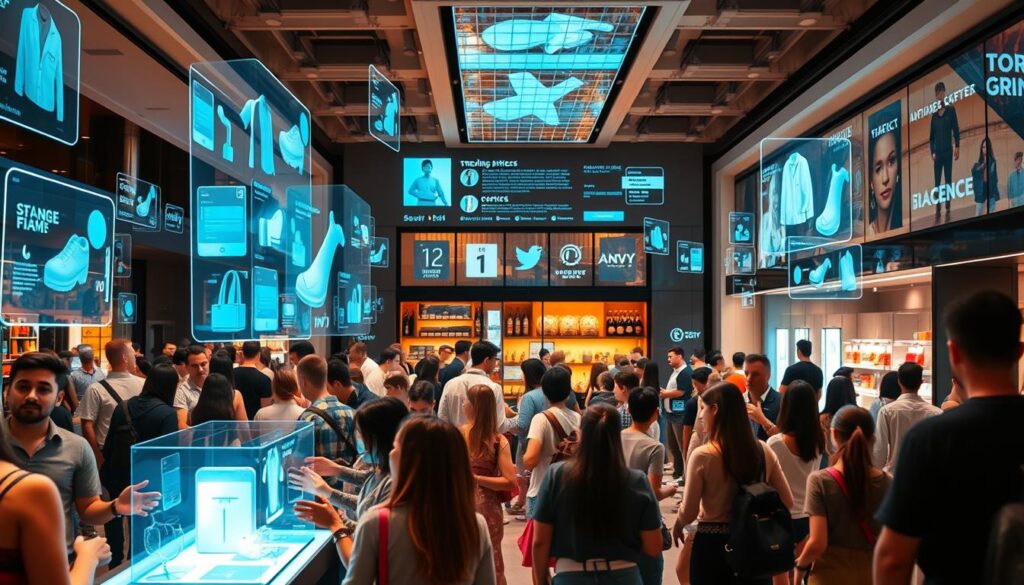
As retail continues to evolve, social commerce is becoming a crucial element in creating a seamless phygital experience. The lines between online and offline shopping are blurring, and social media is at the forefront of this transformation. By integrating social commerce into their phygital strategies, retailers can offer consumers a more engaging, interactive, and personalized shopping experience.
Shoppable Social Media Posts and Live Shopping
Shoppable social media posts and live shopping are revolutionizing the way consumers interact with brands. Shoppable posts allow customers to purchase products directly from social media platforms, reducing friction and enhancing the shopping experience. Live shopping, on the other hand, brings the in-store experience to life online, enabling real-time product demonstrations and Q&A sessions. This blend of entertainment and commerce is proving to be highly effective in driving sales and engagement.
Community-Driven Shopping Experiences
Community-driven shopping experiences are another key aspect of social commerce in phygital retail. By fostering online communities around their brands, retailers can create a sense of belonging among their customers. These communities can share product recommendations, provide feedback, and even influence new product development. This not only enhances the shopping experience but also builds brand loyalty and advocacy.
In conclusion, social commerce is playing a vital role in shaping the phygital retail landscape. By leveraging shoppable social media posts, live shopping, and community-driven experiences, retailers can create a more cohesive, engaging, and personalized shopping journey for their customers.
Case Studies: Brands Leading the Phygital Retail Revolution
The convergence of physical and digital retail is being led by forward-thinking brands that are embracing innovative technologies to create seamless shopping experiences. This section highlights three industry leaders – Nike, Sephora, and Amazon – that are at the forefront of the phygital retail revolution.
Nike’s House of Innovation and NIKE App Experience
Nike has been a pioneer in phygital retail, with its House of Innovation stores offering customers an immersive brand experience. The NIKE app enhances this experience by providing personalized product recommendations, exclusive content, and streamlined checkout processes. For instance, Nike’s use of phygital marketing strategies has enabled the brand to engage customers across multiple touchpoints.
Sephora’s Virtual Artist and In-Store Technology
Sephora has successfully integrated AR shopping into its stores through the Virtual Artist feature, allowing customers to try on products virtually. This technology, combined with in-store services like beauty consultations and workshops, creates a rich and engaging experience for customers. Sephora’s strategy demonstrates how phygital retail can enhance customer satisfaction and loyalty.
Amazon’s Experimentation with Physical Retail Formats
Amazon, known for its e-commerce dominance, has been experimenting with physical retail formats like Amazon Go and Amazon Fresh stores. These stores utilize cashierless checkout systems and advanced inventory management, showcasing Amazon’s commitment to innovating the retail experience. By integrating digital convenience with physical storefronts, Amazon is redefining the boundaries of phygital retail.
| Brand | Phygital Retail Strategy | Key Technologies |
|---|---|---|
| Nike | House of Innovation stores and NIKE app integration | Personalized recommendations, exclusive content |
| Sephora | Virtual Artist feature and in-store services | AR try-on, beauty consultations |
| Amazon | Amazon Go and Amazon Fresh stores | Cashierless checkout, advanced inventory management |
These brands are leading the way in phygital retail, demonstrating how the fusion of physical and digital elements can create compelling shopping experiences. As the retail landscape continues to evolve, it’s clear that AR shopping and other phygital technologies will play a crucial role in shaping the future of retail.
Implementation Challenges and Solutions for Phygital Retail
As retailers move towards phygital experiences, they face several challenges that need to be addressed. The integration of physical and digital elements requires a strategic approach to overcome obstacles and create seamless experiential retail environments.
Technology Integration and Legacy System Hurdles
One of the primary challenges is integrating new technologies with existing legacy systems. Retailers must invest in compatible infrastructure and ensure that their technology can support personalized customer journeys. This may involve upgrading hardware, implementing new software solutions, or adopting cloud-based services.
Staff Training and Organizational Culture Shifts
Successful phygital retail implementation also requires significant staff training. Employees need to be equipped to handle new technologies and provide personalized experiences. This involves not only technical training but also a cultural shift towards a more customer-centric approach.
Budget Considerations and ROI Planning
Budget constraints are another significant challenge. Retailers must carefully plan their investments in phygital technologies and measure the return on investment (ROI). This involves setting clear goals, tracking key performance indicators (KPIs), and adjusting strategies accordingly to ensure a positive impact on personalized customer journeys.
By understanding these challenges and implementing effective solutions, retailers can create engaging phygital experiences that drive customer loyalty and business growth.
Measuring Phygital Success: Key Performance Indicators
Understanding the impact of phygital strategies is crucial for retailers today. As the retail landscape continues to blend physical and digital experiences, the need for comprehensive metrics to evaluate success becomes increasingly important.
Cross-Channel Attribution Models
One of the key challenges in phygital retail is attributing sales and customer interactions across multiple channels. Cross-channel attribution models are essential for understanding how different touchpoints contribute to the customer journey. For instance, a customer might discover a product on social media, try it on in-store, and then make the purchase online. Advanced attribution models help retailers identify which channels are driving engagement and conversions.
| Channel | Attribution Model | Example |
|---|---|---|
| Social Media | First-touch attribution | A customer sees an ad on Facebook and later makes a purchase. |
| In-Store | Last-touch attribution | A customer tries on a product in-store and then buys it online. |
| Online | Multi-touch attribution | A customer interacts with the brand across multiple online platforms before purchasing. |
Customer Experience Metrics Beyond Conversion
While conversion rates are a crucial metric, they don’t tell the whole story. Customer experience metrics such as Net Promoter Score (NPS), Customer Satisfaction (CSAT), and Customer Effort Score (CES) provide valuable insights into how customers perceive their interactions with a brand. For example, Sephora uses its mobile app to enhance in-store experiences, gathering data that helps improve customer satisfaction.
“The future of retail is not just about transactions; it’s about creating memorable experiences that foster loyalty.”
By focusing on both cross-channel attribution models and customer experience metrics, retailers can gain a more comprehensive understanding of their phygital performance. This holistic approach enables brands to make data-driven decisions, optimizing their strategies to better meet customer needs and drive long-term success.
Conclusion: Embracing the Phygital Future of Shopping
The retail landscape is undergoing a significant transformation, driven by the convergence of physical and digital experiences. Phygital retail is at the forefront of this revolution, enabling retailers to create seamless, personalized customer journeys that drive engagement and conversion.
By embracing phygital retail strategies, retailers can stay ahead of the curve and meet the evolving expectations of modern consumers. This includes leveraging technologies like augmented reality, smart store technologies, and mobile engagement to create immersive shopping experiences.
As retailers continue to navigate the complexities of phygital retail, it’s essential to prioritize customer-centric approaches that drive loyalty and retention. By doing so, retailers can unlock new revenue streams and establish a competitive edge in a rapidly changing market.
The future of shopping is phygital, and retailers who embrace this shift will be well-positioned for success. By creating personalized customer journeys that blend the best of physical and digital retail, retailers can drive growth, improve customer satisfaction, and thrive in a rapidly evolving retail landscape.