
Blog
NFT 2.0: Moving Beyond JPEGs to Real-World Utility, Loyalty, and Digital Ownership**

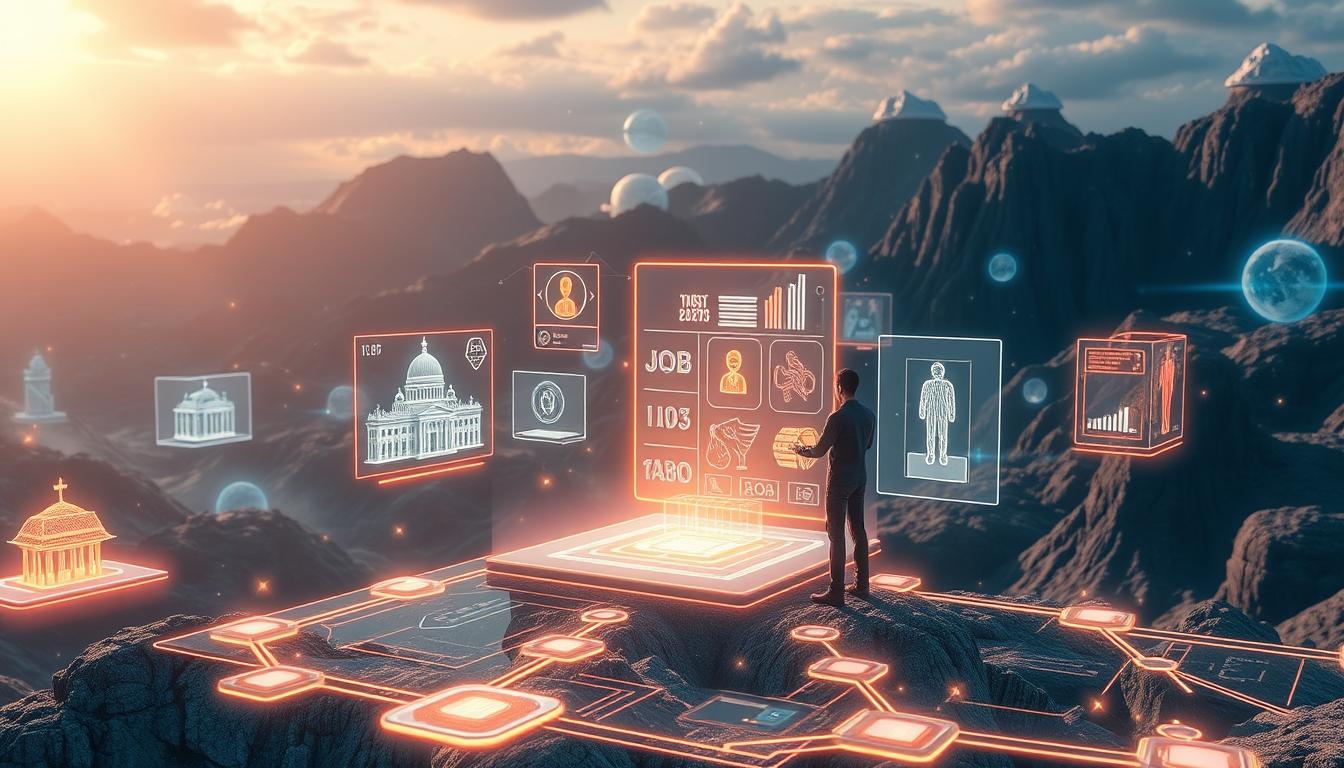
The world of NFT 2.0 is revolutionizing the way we think about digital assets. Moving beyond the initial hype of JPEGs, NFT 2.0 is all about real-world utility and digital ownership.
This new iteration is not just about collecting digital art; it’s about creating a new paradigm for loyalty programs, ownership, and community engagement. With NFT 2.0, the possibilities are endless, and the potential for growth is vast.
Key Takeaways
- NFT 2.0 is moving beyond digital art to real-world utility.
- Digital ownership is a key aspect of NFT 2.0.
- Loyalty programs are being reimagined with NFT 2.0.
- NFT 2.0 is creating new community engagement opportunities.
- The potential for growth in NFT 2.0 is vast.
The Evolution from NFT 1.0 to NFT 2.0
The first generation of NFTs, characterized by their JPEG-centric approach, has given way to a more sophisticated and utility-driven model. As the NFT market matures, it’s becoming increasingly clear that the true potential of this technology lies beyond digital art.
Limitations of First-Generation NFTs
First-generation NFTs, or NFT 1.0, were largely defined by their novelty and the hype surrounding digital art. However, this initial iteration had significant limitations.
The JPEG Bubble and Market Volatility
The NFT market was initially driven by a speculative bubble, with prices inflated by hype rather than intrinsic value. As market trends indicate, this volatility made it challenging for creators and investors to sustain long-term engagement.
Lack of Practical Applications
NFT 1.0 was criticized for lacking real-world utility. Most NFTs were primarily used for speculative purposes, failing to provide meaningful use cases beyond digital ownership.
Defining Characteristics of NFT 2.0
NFT 2.0 represents a significant evolution, focusing on utility and practical applications. This new generation of NFTs is designed to provide tangible value and integrate with various ecosystems.
Utility-Driven Value Proposition
NFT 2.0 is characterized by its utility-driven value proposition. These NFTs are designed to offer more than just digital ownership; they provide access to exclusive content, events, and experiences.
Integration with Physical and Digital Ecosystems
NFT 2.0 is also marked by its ability to seamlessly integrate with both physical and digital ecosystems. This integration enables new use cases, such as tokenizing real-world assets and enhancing brand engagement through collectible membership programs.
Understanding NFT Utility in the 2.0 Era
NFT 2.0 is redefining the concept of digital ownership, introducing utility-driven assets. The utility of NFTs is expanding beyond mere digital art, offering a wide range of practical applications and value propositions.
Beyond Digital Art: Functional Applications
The NFT ecosystem is evolving to include various functional applications that go beyond the realm of digital collectibles. These applications are transforming NFTs into usable assets that provide tangible benefits to holders.
From Collectibles to Usable Assets
NFTs are no longer just digital art or collectibles; they are being designed to offer utility and practical uses. For instance, NFTs can represent tickets to events, access passes to exclusive content, or even ownership of physical assets.
The Utility Token Spectrum
The utility token spectrum encompasses a broad range of applications, from governance tokens to utility tokens that grant access to specific services or products. This spectrum allows for diverse use cases and innovative business models.
Value Proposition of Utility-Focused NFTs
The value proposition of utility-focused NFTs lies in their ability to provide long-term value creation mechanisms and user benefits that extend beyond speculative gains.
Long-term Value Creation Mechanisms
Utility-focused NFTs create long-term value through mechanisms such as staking, where holders can earn rewards by locking their NFTs into specific contracts. This encourages holding onto NFTs rather than selling them, stabilizing the market.
User Benefits Beyond Speculation
Users benefit from utility-focused NFTs through access to exclusive content, events, or services. For example, an NFT might grant access to a private club or offer discounts on products and services.
| NFT Utility Type | Description | Example |
|---|---|---|
| Access Tokens | Grant access to exclusive content or events | VIP access to concerts or events |
| Governance Tokens | Allow holders to participate in decision-making processes | DAO governance |
| Utility Tokens | Provide specific services or products | Discounts on products or services |
Real-World Asset Tokenization
The tokenization of real-world assets is revolutionizing how we perceive ownership and investment. By converting tangible assets into digital tokens, NFTs are expanding the scope of what can be owned, traded, and utilized.

Physical Property and Real Estate NFTs
NFTs are being used to represent ownership of physical property and real estate, making it possible to tokenize assets that were previously illiquid.
Fractional Ownership Models
One of the key benefits of tokenizing real estate is the ability to create fractional ownership models. This allows multiple investors to own a portion of a property, increasing accessibility and reducing the barrier to entry.
Streamlining Property Transactions
NFTs can also streamline property transactions by providing a secure and transparent record of ownership. This reduces the need for intermediaries and can significantly speed up the process of buying and selling property.
Luxury Goods Authentication and Provenance
Luxury goods, such as high-end watches and designer handbags, are often plagued by counterfeiting. NFTs can help combat this issue by providing a secure and verifiable record of ownership and provenance.
Combating Counterfeits with Blockchain Verification
By utilizing blockchain verification, NFTs can ensure that a luxury good is genuine and not a counterfeit. This provides buyers with confidence in their purchase and can help to reduce the prevalence of counterfeit goods.
Digital Twin Technology for Physical Products
The concept of digital twin technology involves creating a digital representation of a physical product. This can be used to track the product’s history, ownership, and other relevant details, providing a comprehensive record of the item’s provenance.
Event Tickets and Experiences
NFTs are also being used to represent event tickets and experiences, providing a secure and verifiable way to buy, sell, and trade tickets.
Secondary Market Benefits and Creator Royalties
The use of NFTs for event tickets can provide benefits for both creators and buyers. Creators can earn royalties on secondary market sales, while buyers can purchase tickets with confidence, knowing that they are genuine.
Enhanced Fan Experiences Through NFT Integration
NFTs can also be used to create enhanced fan experiences. For example, NFT tickets can provide access to exclusive content, meet-and-greets, or other unique experiences, increasing the value of the ticket and creating a more engaging experience for fans.
NFTs as Loyalty Program Revolutionizers
The rise of NFTs is revolutionizing how brands engage with their customers through loyalty programs. By integrating NFTs, companies can create unique, collectible, and tradable digital assets that foster deeper customer loyalty and retention.
Brand Engagement Through Collectible Membership
NFTs enable brands to offer collectible memberships that are not only unique but also provide exclusive benefits to holders. This approach enhances brand engagement by making customers feel part of an exclusive community.
Case Studies: Major Brands Adopting NFT Loyalty
Several major brands have already started adopting NFT-based loyalty programs. For instance, brands like Nike and Coca-Cola are using NFTs to reward their loyal customers with unique digital collectibles.
Community Building and Retention Strategies
By leveraging NFT loyalty programs, brands can build stronger communities around their products. This is achieved through exclusive events, early access to new products, and special discounts for NFT holders.
Tiered Access and Exclusive Benefits
NFTs also allow for tiered access and exclusive benefits based on the rarity or type of NFT held. This creates a sense of achievement and progression among customers, further enhancing loyalty.
Designing Effective NFT-Based Loyalty Programs
To design effective NFT-based loyalty programs, brands must consider factors like NFT rarity, utility, and community engagement. This ensures that the NFTs are desirable and valuable to customers.
Measuring ROI and Customer Lifetime Value
Measuring the ROI and customer lifetime value of NFT loyalty programs is crucial. Brands can track engagement metrics and customer retention rates to assess the effectiveness of their NFT loyalty initiatives.
Token-Gated Commerce and Experiences
The concept of token-gated commerce is gaining traction, enabling unique customer experiences and fostering brand loyalty like never before.
Exclusive Product Access for NFT Holders
NFTs are being used to grant holders exclusive access to products, creating a new paradigm in customer engagement. This approach not only rewards loyal customers but also adds value to the NFTs they hold.
Digital-to-Physical Redemption Models
One innovative application is the digital-to-physical redemption model, where NFT holders can redeem their tokens for physical goods or experiences, bridging the digital and physical worlds.
Limited Edition Releases and Drops
Limited edition releases and drops are another strategy, where NFT ownership grants access to exclusive products or early releases, creating a sense of urgency and exclusivity.
Community Building Through Shared Ownership
Beyond exclusive access, NFTs facilitate community building through shared ownership. This collective aspect fosters a sense of belonging among NFT holders.
DAOs and Collective Decision Making
Decentralized Autonomous Organizations (DAOs) play a crucial role in this context, enabling collective decision-making among NFT holders and giving them a stake in the project’s direction.
Social Tokens and Creator Economies
Social tokens and creator economies are also emerging, where creators can monetize their work and engage with their audience through token-based incentives.
By leveraging token-gated commerce, businesses can create more engaging, loyal communities around their products and services.
Intellectual Property Rights on the Blockchain
The advent of blockchain technology has revolutionized the way we approach intellectual property rights. By providing a secure, transparent, and immutable ledger, blockchain is transforming how creators protect and monetize their work.
Protecting Creator Rights Through Smart Contracts
Smart contracts are self-executing contracts with the terms of the agreement directly written into code. They play a crucial role in protecting creator rights by automating the enforcement and management of intellectual property rights on the blockchain.
Automated Licensing and Usage Tracking
Smart contracts enable automated licensing, allowing creators to specify how their work can be used and ensuring that they receive compensation for each use. This automation also facilitates the tracking of usage, providing a clear record of how and when a creator’s work is utilized.
Legal Frameworks and Enforcement Mechanisms
The integration of legal frameworks with blockchain technology enhances the enforcement of intellectual property rights. By coding legal agreements into smart contracts, creators can ensure that their rights are protected and enforced automatically, reducing the need for intermediaries and legal disputes.
Royalty Streams and Automated Payments
Blockchain technology also facilitates the creation of royalty streams, enabling creators to receive ongoing payments for their work. This is particularly beneficial for artists and content creators who can now receive perpetual royalties on secondary sales, ensuring they benefit financially from the continued use and appreciation of their work.
Perpetual Royalties on Secondary Sales
The ability to earn perpetual royalties on secondary sales is a game-changer for creators. It ensures that they continue to benefit from their work even after the initial sale, providing a sustainable income stream.
Programmable Revenue Splits for Collaborations
Blockchain also enables programmable revenue splits, making it easier for collaborators to share revenue from their joint work. This feature simplifies the process of managing royalties among multiple creators, ensuring fair and transparent distribution of income.
Gaming and Metaverse Applications
The application of NFTs in gaming and the metaverse is creating unprecedented opportunities for players and developers alike. NFTs are not just limited to digital art; they are transforming the gaming industry by introducing new concepts of ownership, utility, and interaction.
Interoperable Digital Assets Across Platforms
The current gaming ecosystem is fragmented, with assets and progress often confined to a single game or platform. NFTs are changing this by enabling the creation of interoperable digital assets that can be used across multiple games and platforms.
Standards for Cross-Game Asset Portability
For NFTs to be truly interoperable, there is a need for standards that allow assets to be portable across different games and platforms. This requires collaboration among developers and the establishment of common protocols.
Economic Models for Developers and Players
New economic models are emerging that benefit both developers and players. These models incentivize participation and reward players for their engagement and investment in the gaming ecosystem.
Play-to-Earn Economies and NFT Integration
Play-to-earn economies are gaining traction, allowing players to earn real-world value through their in-game activities. NFTs play a crucial role in these economies by representing unique assets that can be bought, sold, or traded.
Sustainable Game Economics Beyond Speculation
To ensure the long-term sustainability of play-to-earn economies, it’s essential to move beyond speculative models. This involves creating economies that are driven by genuine utility and player engagement.
Skill-Based vs. Investment-Based Rewards
There’s a growing debate between skill-based and investment-based rewards in play-to-earn economies. NFTs can be used to reward players based on their skills, creating a more meritocratic system.
Virtual Land and Digital Real Estate
NFTs are also being used to represent ownership of virtual land and digital real estate. This opens up new opportunities for commercial applications and experience design in virtual worlds.
Commercial Applications in Virtual Worlds
Virtual land ownership enables new forms of commercial activity, such as virtual shopping malls, event spaces, and advertising platforms.
Experience Design and User Engagement
The design of virtual experiences is crucial for user engagement. NFTs can enhance these experiences by providing unique and interactive elements.
| Application | Description | Benefits |
|---|---|---|
| Interoperable Assets | Assets usable across multiple platforms | Increased asset value, enhanced player experience |
| Play-to-Earn Economies | Earning real-world value through gameplay | Financial incentives for players, new revenue streams for developers |
| Virtual Land Ownership | Representing ownership of virtual real estate | New commercial opportunities, enhanced virtual experiences |
Challenges and Concerns for NFT 2.0 Adoption
NFT 2.0, with its enhanced utility and real-world applications, is not without its challenges. As the ecosystem continues to evolve, several key concerns must be addressed to ensure widespread adoption.
Environmental Impact and Sustainability Solutions
The environmental impact of NFTs has been a significant concern, primarily due to the energy consumption associated with blockchain transactions. However, various sustainability solutions are being implemented.
Proof-of-Stake and Green Blockchain Initiatives
The transition to Proof-of-Stake (PoS) consensus mechanisms is a significant step towards reducing the environmental footprint of NFTs. Ethereum’s transition to PoS, for example, has significantly decreased energy consumption.
Carbon Offset Programs for NFT Projects
Some NFT projects are adopting carbon offset programs to mitigate their environmental impact. These initiatives involve calculating carbon emissions and offsetting them through investments in renewable energy projects.
Regulatory Uncertainty and Compliance
Regulatory uncertainty remains a significant challenge for NFT 2.0 adoption. The lack of clear guidelines on how NFTs are classified and regulated creates uncertainty for creators and investors.
Securities Laws and Token Classification
One of the key regulatory challenges is determining whether NFTs are considered securities. This classification has significant implications for how NFTs are issued, traded, and regulated.
International Regulatory Landscape
The international regulatory landscape for NFTs is complex and varied. Different countries have different approaches to regulating NFTs, creating a challenging environment for global NFT projects.
User Experience and Accessibility Barriers
User experience and accessibility are crucial for mainstream NFT adoption. Complex wallet management and security concerns can deter new users.
Simplifying Wallet Management and Security
Simplifying wallet management through user-friendly interfaces and robust security measures is essential. Solutions like multi-signature wallets and hardware wallets can enhance security.
Mainstream Adoption Pathways
To achieve mainstream adoption, NFT platforms must provide seamless user experiences. This includes integrating NFTs into familiar platforms and applications.
| Challenge | Description | Potential Solution |
|---|---|---|
| Environmental Impact | High energy consumption associated with blockchain transactions | Transition to Proof-of-Stake, carbon offset programs |
| Regulatory Uncertainty | Lack of clear guidelines on NFT classification and regulation | Engage with regulators, establish clear guidelines |
| User Experience Barriers | Complex wallet management and security concerns | Simplify wallet management, enhance security measures |
Projected NFT Use Cases for 2026 and Beyond
The future of NFTs extends far beyond digital art, with significant potential in various industries. As technology advances, we can expect to see NFTs being utilized in innovative ways that transform how we perceive ownership, identity, and data management.
Decentralized Identity and Credentials
Decentralized identity solutions using NFTs are poised to revolutionize how we manage personal data. By leveraging blockchain technology, individuals can have greater control over their identity and credentials.
Educational Certificates and Professional Licensing
NFTs can be used to securely store and verify educational certificates and professional licenses, reducing fraud and increasing trust in credentialing.
Self-Sovereign Identity Management
This approach allows individuals to manage their identity without relying on centralized authorities, enhancing privacy and security.
Healthcare and Medical Record Applications
The healthcare sector can benefit significantly from NFT-based solutions for managing medical records. NFTs can provide a secure and transparent way to store and manage patient data.
Patient-Controlled Data Access
Patients can have more control over who accesses their medical records, improving privacy and consent management.
Research Participation and Data Monetization
NFTs can facilitate secure and transparent participation in medical research, potentially allowing patients to monetize their data.
Government and Public Sector Adoption
NFTs can also find applications in government and public sectors, enhancing transparency and security in various processes.
Voting Systems and Civic Engagement
NFT-based voting systems can potentially increase the security and transparency of electoral processes.
Public Records and Document Verification
NFTs can be used to securely store and verify public records and documents, reducing the risk of fraud and enhancing trust in public documentation.
| Sector | NFT Application | Benefits |
|---|---|---|
| Education | Secure storage of certificates | Reduced fraud, increased trust |
| Healthcare | Patient-controlled data access | Improved privacy, secure data management |
| Government | Secure voting systems | Enhanced electoral security, transparency |
Conclusion: The Future of Digital Ownership
The evolution of NFTs to NFT 2.0 is revolutionizing the concept of digital ownership, moving beyond mere digital art to encompass real-world utility, loyalty, and ownership. As we’ve explored, NFT 2.0 is poised to transform various industries, from luxury goods to gaming, by providing a secure, transparent, and decentralized means of verifying ownership and authenticity.
The future of NFTs holds significant promise, with potential applications in decentralized identity, healthcare, and government sectors. As NFT technology continues to mature, we can expect to see new use cases emerge, further expanding the scope of digital ownership. The NFT future is bright, with the potential to create new economic models, enhance customer engagement, and provide creators with more control over their work.
As digital ownership becomes increasingly important, understanding the implications of NFT 2.0 will be crucial for businesses, creators, and consumers alike. By embracing this technology, stakeholders can unlock new opportunities and shape the future of digital ownership.