Blog
Digital Twins Everywhere: The Virtual Copies of Cities, Factories, and Homes Revolutionizing Planning**

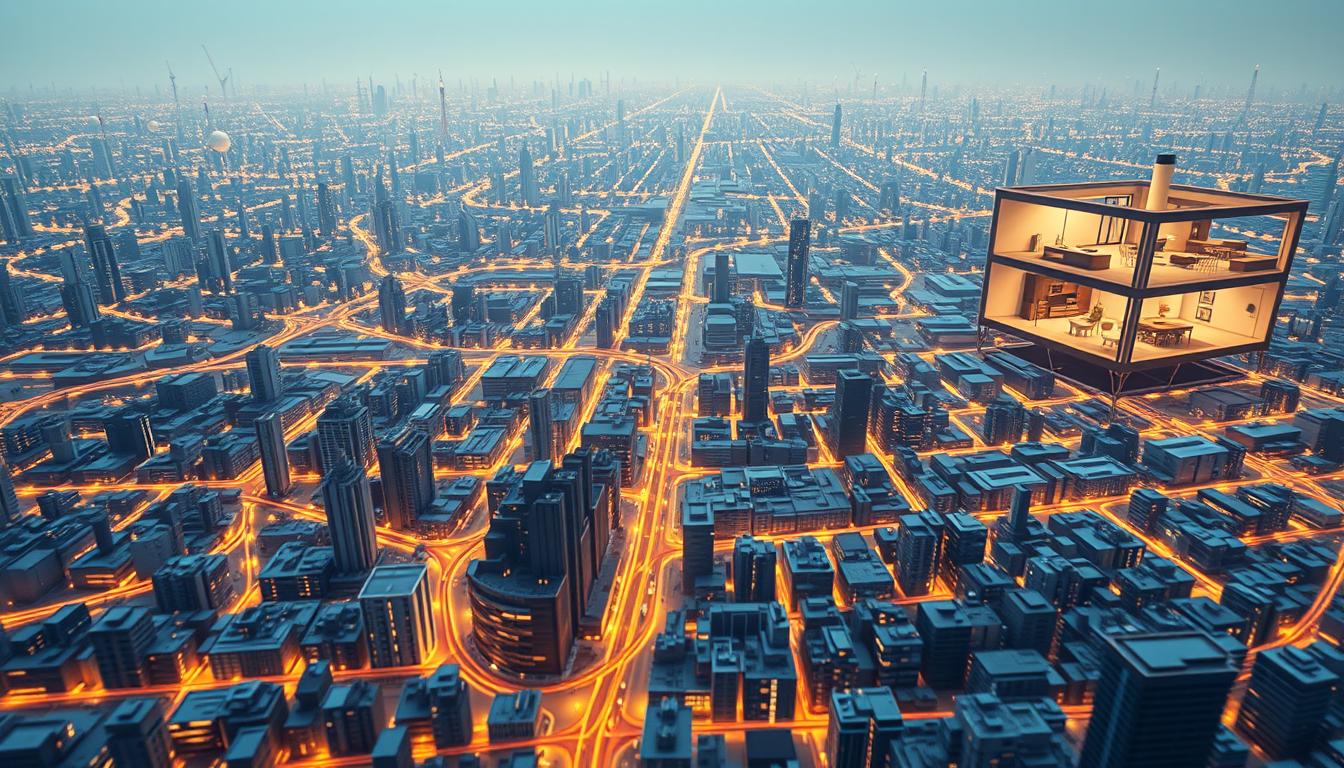
The concept of Digital Twins is transforming the way we plan and manage infrastructures. Essentially, a Digital Twin is a virtual replica of a physical entity, such as a city, factory, or home.
These virtual copies are revolutionizing planning by allowing for simulations, predictions, and optimizations that were previously unimaginable. By creating a digital mirror image of the physical world, planners and managers can test scenarios, predict outcomes, and make informed decisions without the need for physical prototypes or interventions.
The technology behind Digital Twins involves complex data analysis, IoT sensors, and advanced software. This enables real-time monitoring and interaction between the physical and digital worlds.
Key Takeaways
- Digital Twins are virtual replicas of physical entities like cities, factories, and homes.
- They revolutionize planning by enabling simulations and predictions.
- The technology involves data analysis, IoT sensors, and advanced software.
- Digital Twins allow for real-time monitoring and interaction between physical and digital worlds.
- This technology is transforming infrastructure management and planning.
The Rise of Virtual Replicas in Modern Planning
Virtual replicas are becoming increasingly crucial in contemporary urban and industrial planning. The traditional methods of planning, which often relied on physical models and manual data collection, are being replaced by digital twins – virtual representations of physical entities that can be used to simulate and analyze various scenarios.
The Shift from Physical to Digital Modeling
The shift from physical to digital modeling has been driven by advances in technology, including improved computing power, data storage, and Internet of Things (IoT) connectivity. Digital models can be updated in real-time, allowing for more accurate and dynamic planning. This shift has significant implications for smart city planning and industrial IoT applications.
Why Virtual Copies Matter in Today’s Complex World
Virtual copies matter because they enable planners to test and optimize their designs in a simulated environment before implementing them in the real world. This can help reduce costs, improve efficiency, and minimize risks. Some key benefits of virtual replicas include:
- Enhanced data analysis and visualization capabilities
- Improved collaboration and communication among stakeholders
- Increased accuracy and reliability in planning and decision-making
By leveraging virtual replicas, cities and industries can become more sustainable, efficient, and resilient. As the technology continues to evolve, we can expect to see even more innovative applications of virtual replicas in modern planning.
What Are Digital Twins? Core Technology Explained
Imagine having a virtual replica of a city, factory, or home – this is the power of digital twin technology. A digital twin is more than just a sophisticated model; it’s a dynamic, real-time simulation that mirrors the physical world.
Definition and Essential Components
A digital twin is essentially a virtual copy of a physical entity, such as a building, infrastructure, or even an entire city. The essential components of a digital twin include:
- Advanced data collection systems
- Sophisticated simulation software
- Real-time data integration capabilities
These components work together to create a comprehensive digital replica that can be used for various purposes, from urban planning to industrial operations optimization.
The Difference Between Digital Twins and Traditional Simulations
While traditional simulations provide a static or limited view of a system, digital twins offer a dynamic, real-time representation of the physical world. This is made possible through continuous data exchange between the physical entity and its digital counterpart.
Real-time Data Integration Capabilities
The real-time data integration capability is a game-changer in digital twin technology. It allows for:
- Instant updates on the status of the physical entity
- Predictive maintenance and performance optimization
- Enhanced decision-making through real-time insights
This capability enables more accurate and dynamic virtual testing, allowing planners and operators to simulate various scenarios and predict outcomes with greater precision.
By leveraging digital twin technology, industries can revolutionize their planning and operational processes, leading to improved efficiency, reduced costs, and enhanced sustainability.
The Technical Architecture Behind Digital Twins
The backbone of Digital Twins lies in their sophisticated technical architecture, which enables the creation of virtual replicas of physical entities. This architecture is multifaceted, involving various components that work in harmony to provide real-time insights and simulations.
Sensor Networks and Data Collection Infrastructure
At the core of Digital Twins are sensor networks that collect data from the physical world. These sensors, often part of the industrial IoT, gather information on parameters such as temperature, pressure, and motion, which is then transmitted to a central data collection infrastructure.
Processing Engines and Visualization Technologies
The collected data is processed using advanced processing engines that analyze the information and create a digital replica. Visualization technologies then bring this data to life, providing users with an intuitive interface to interact with the Digital Twin.
Cloud Computing’s Role in Digital Twin Functionality
Cloud computing plays a pivotal role in the functionality of Digital Twins, offering scalable storage and processing power. It enables the handling of vast amounts of data generated by sensor networks, facilitating complex simulations in construction and other fields.
| Component | Function | Benefit |
|---|---|---|
| Sensor Networks | Data Collection | Real-time Monitoring |
| Processing Engines | Data Analysis | Accurate Simulations |
| Cloud Computing | Scalable Storage and Processing | Enhanced Flexibility |
For more detailed information on the technical aspects of Digital Twins, you can refer to research papers such as those found in academic repositories.
Digital Twins in Urban Planning: Smart Cities Revolution
As cities become increasingly complex, digital twins offer a cutting-edge solution for smart city planning. By creating virtual replicas of urban environments, city planners can simulate various scenarios, predict outcomes, and make informed decisions.
Virtual City Models and Their Applications
Virtual city models are detailed digital representations of urban infrastructure, including buildings, roads, and utilities. These models enable planners to analyze the impact of new developments, optimize urban design, and improve public services. For instance, virtual city models can simulate traffic flow, helping planners to identify potential bottlenecks and develop strategies to mitigate congestion.

Traffic Management and Public Transportation Optimization
Digital twins play a crucial role in optimizing traffic management and public transportation systems. By analyzing real-time data and simulating different scenarios, city planners can reduce congestion, improve traffic signal timing, and enhance public transit efficiency. This leads to decreased travel times, lower emissions, and a better quality of life for urban residents.
Environmental Impact Assessment and Sustainability Planning
Digital twins also facilitate environmental impact assessments and sustainability planning. By modeling different urban development scenarios, planners can predict and mitigate potential environmental impacts, such as air pollution and heat island effects. This enables cities to adopt more sustainable practices, reduce their carbon footprint, and create healthier environments for their citizens.
In conclusion, digital twins are revolutionizing urban planning by providing a powerful tool for smart city development. By leveraging virtual city models, optimizing traffic management, and assessing environmental impacts, cities can become more efficient, sustainable, and livable.
Industrial Digital Twins: Transforming Manufacturing
Industrial digital twins are revolutionizing the manufacturing sector by providing virtual replicas of physical assets, processes, and systems. This technology enables manufacturers to simulate, predict, and optimize the performance of their operations in a virtual environment.
Production Line Optimization and Quality Control
Digital twins allow for the optimization of production lines by simulating different scenarios and identifying potential bottlenecks. This leads to improved efficiency and reduced downtime. Quality control is also enhanced through real-time monitoring and anomaly detection.
| Benefits | Description |
|---|---|
| Production Efficiency | Optimized production lines reduce waste and improve output. |
| Quality Enhancement | Real-time monitoring detects anomalies, ensuring higher quality products. |
Predictive Maintenance and Equipment Lifecycle Management
Predictive maintenance is a significant advantage of industrial digital twins. By analyzing data from sensors and equipment, manufacturers can predict when maintenance is required, reducing unplanned downtime. This proactive approach extends the lifecycle of equipment and reduces maintenance costs.
Supply Chain Integration and Logistics Optimization
Digital twins also facilitate better supply chain management by providing a virtual representation of the entire supply chain. This enables companies to simulate different scenarios, optimize logistics, and improve overall supply chain resilience.
“The use of digital twins in manufacturing allows for a more agile and responsive supply chain, enabling companies to adapt quickly to changes in demand or supply.”
By leveraging industrial digital twins, manufacturers can achieve significant improvements in efficiency, quality, and cost savings, ultimately gaining a competitive edge in the market.
Construction and Architecture: Virtual Testing Before Building
The construction industry is on the cusp of a revolution with Digital Twins enabling virtual testing before actual building begins. This innovative approach is transforming the way buildings and structures are designed, tested, and constructed.
One of the key integrations in this virtual testing process is with Building Information Modeling (BIM). BIM provides a comprehensive digital representation of the physical and functional characteristics of a building, which is crucial for Digital Twins to simulate real-world conditions.
Building Information Modeling (BIM) Integration
The integration of Digital Twins with BIM allows for a more detailed and accurate simulation of building performance. This includes analyzing the structural integrity, energy efficiency, and other critical factors that influence the building’s overall performance.
Structural Analysis and Material Performance Simulation
Digital Twins enable architects and engineers to conduct thorough structural analysis and material performance simulations. This virtual testing helps identify potential weaknesses and areas for improvement, ensuring that the final product is safer and more efficient.
Cost and Timeline Optimization Through Virtual Testing
By identifying and addressing potential issues through virtual testing, construction projects can significantly reduce costs and timelines. This proactive approach minimizes the need for costly rework and delays, leading to more efficient project delivery.
The use of Digital Twins in construction and architecture is revolutionizing the industry by enabling comprehensive virtual testing. This not only improves the quality and safety of buildings but also optimizes costs and construction timelines.
Digital Twins in Residential Planning and Smart Homes
In the realm of residential planning, Digital Twins are emerging as a powerful tool for creating smarter, more livable homes. This technology allows for the creation of detailed virtual models of homes and neighborhoods, enabling homeowners, architects, and builders to test and optimize various aspects before physical construction begins.
Energy Efficiency Modeling and Optimization
One of the key benefits of Digital Twins in residential planning is energy efficiency modeling. By creating a virtual replica of a home, it’s possible to simulate different energy-saving scenarios, such as the impact of solar panels or improved insulation. This allows for optimization of energy consumption, reducing both costs and environmental impact.
Space Utilization and Interior Design Planning
Digital Twins also enable better space utilization and interior design planning. Homeowners can use virtual models to experiment with different layouts and designs, ensuring that the final product is both functional and aesthetically pleasing. This can be particularly useful in smaller homes or in renovation projects.
Smart Home System Integration and Testing
Furthermore, Digital Twins facilitate the integration and testing of smart home systems. By simulating various smart home technologies, such as automated lighting and security systems, homeowners can ensure seamless integration and optimal performance. This not only enhances the living experience but also increases the home’s value.
The use of Digital Twins in residential planning and smart homes represents a significant step forward in creating more efficient, sustainable, and livable living spaces. As this technology continues to evolve, we can expect to see even more innovative applications in the future.
Beyond the Expected: Digital Twins in Healthcare and Infrastructure
The versatility of digital twins is being showcased in unexpected fields such as healthcare and infrastructure. As digital twin technology continues to evolve, it’s opening up new avenues for innovation and improvement in these critical sectors.
Patient-specific medical models are being created using digital twin technology, allowing for personalized treatment planning. This approach enables healthcare professionals to simulate various treatment options and predict patient outcomes more accurately.
Patient-Specific Medical Models and Treatment Planning
Digital twins in healthcare are revolutionizing the way treatments are planned and executed. By creating a virtual replica of a patient’s anatomy, doctors can test different treatment strategies without risking patient safety.
Critical Infrastructure Monitoring and Disaster Response
In the realm of infrastructure, digital twins are being used for critical infrastructure monitoring and enhancing disaster response. By creating virtual models of infrastructure such as bridges, dams, and power grids, operators can monitor their condition in real-time and predict potential failures.
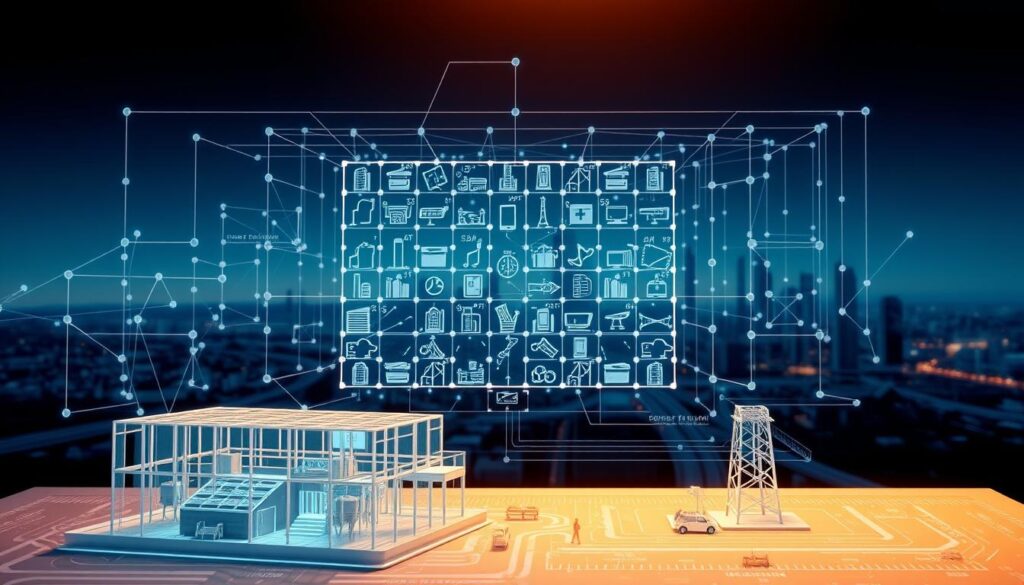
As industrial IoT continues to integrate with digital twin technology, we can expect to see even more sophisticated applications in healthcare and infrastructure. The potential for improved patient outcomes and enhanced infrastructure resilience is vast.
The Business Case for Digital Twins
As businesses continue to navigate the complexities of the digital age, the adoption of Digital Twins is emerging as a game-changer. This technology is not just a novelty; it offers substantial benefits that can transform how companies operate and compete.
Return on Investment Analysis and Cost Savings
One of the most compelling reasons to adopt Digital Twins is the potential for significant return on investment (ROI). By creating a virtual replica of a product, process, or system, businesses can optimize performance, reduce waste, and predict maintenance needs, leading to substantial cost savings. For instance, virtual testing can minimize the need for physical prototypes, reducing both the cost and time associated with product development.
Competitive Advantages Across Various Industries
Digital Twins can provide a competitive edge by enabling businesses to innovate and adapt more quickly to changing market conditions. Across various industries, from manufacturing to healthcare, Digital Twins facilitate smarter decision-making and more efficient operations. For example, in manufacturing, Digital Twins can optimize production lines and predict equipment failures, while in healthcare, they can help personalize treatment plans.
Risk Reduction and Decision-Making Enhancement
By allowing businesses to simulate different scenarios and predict outcomes, Digital Twins significantly reduce risk. This capability enhances decision-making by providing insights based on comprehensive data analysis. Whether it’s testing the resilience of infrastructure or optimizing supply chains, Digital Twins empower businesses to make informed decisions with confidence.
In conclusion, the business case for Digital Twins is robust, offering benefits that range from cost savings and competitive advantages to risk reduction and enhanced decision-making. As such, adopting this technology is a strategic move for businesses aiming to thrive in a rapidly evolving digital landscape.
Implementation Challenges and Practical Solutions
As digital twins become increasingly integral to various industries, from smart city planning to simulation in construction, several implementation challenges have come to the forefront. The complexity of digital twin technology, while offering immense benefits, also presents hurdles that organizations must overcome to fully leverage its potential.
Data Security, Privacy, and Ownership Concerns
One of the primary challenges is ensuring the security and privacy of the data used in digital twins. With vast amounts of data being collected and processed, there’s a significant risk of data breaches and unauthorized access. Implementing robust encryption methods and access controls is crucial. Moreover, clarifying data ownership between stakeholders is essential to avoid legal and operational conflicts.
Integration with Legacy Systems and Processes
Another significant challenge is integrating digital twins with existing legacy systems and processes. This requires not only technological compatibility but also a cultural shift within organizations. Developing APIs and middleware solutions can facilitate this integration, enabling smoother data exchange and functionality across different systems.
Addressing Skill Gaps and Training Requirements
The successful implementation of digital twins also depends on having the right talent and skills within an organization. There’s a growing need for professionals who are adept in handling digital twin technology, from data analytics to simulation modeling. Investing in training programs and hiring specialized talent can help bridge this gap, ensuring that teams are equipped to maximize the benefits of digital twins.
By addressing these challenges head-on and implementing practical solutions, organizations can unlock the full potential of digital twins, driving innovation and efficiency in their operations.
Real-World Success Stories: Digital Twins in Action
Real-world success stories demonstrate the power of Digital Twins in driving innovation across various industries. These virtual replicas are not just conceptual; they’re being actively used to transform cities, manufacturing processes, and even building designs.
Singapore’s Virtual City Initiative
Singapore has been at the forefront of adopting Digital Twins technology for urban planning. Their virtual city initiative allows for comprehensive modeling of the city, enabling better traffic management, public transportation optimization, and environmental impact assessment. This virtual replica of Singapore facilitates data-driven decision-making, making it a more sustainable and livable city.
Tesla’s Manufacturing Revolution Through Digital Twins
Tesla has leveraged Digital Twins to revolutionize its manufacturing processes. By creating virtual models of their production lines, Tesla can optimize production, predict potential issues, and reduce downtime. This application of industrial IoT and Digital Twins has significantly enhanced their operational efficiency and product quality.
Sustainable Building Design Breakthroughs
In the realm of architecture and construction, Digital Twins are being used to push the boundaries of sustainable building design. Architects can create detailed virtual models of buildings to test energy efficiency, material performance, and structural integrity. This not only leads to more sustainable buildings but also reduces the need for physical prototypes, saving time and resources.
The success stories of Singapore, Tesla, and innovative architectural projects highlight the versatility and potential of Digital Twins. As this technology continues to evolve, we can expect to see even more groundbreaking applications across various sectors.
Conclusion: Embracing the Digital Twin Future
As we’ve explored throughout this article, Digital Twins are revolutionizing the way we plan, develop, and manage cities, factories, and homes. By creating virtual replicas of physical entities, we can simulate, analyze, and optimize their performance in real-time, leading to improved efficiency, reduced costs, and enhanced decision-making.
The Digital twin technology explained in the preceding sections highlights the vast potential of this technology across various industries. From urban planning and industrial manufacturing to construction and residential planning, Digital Twins are transforming the way we work and live.
As we move forward, embracing Digital Twins will be crucial for staying competitive and addressing the complex challenges of our rapidly changing world. By leveraging the power of Digital Twins, we can create more sustainable, efficient, and resilient systems that benefit both people and the planet.