Blog
Creator Economy Platforms: Where Influencers and Digital Entrepreneurs Will Be Making Money in 2026**

The digital landscape is evolving, and with it, the ways in which influencers and digital entrepreneurs earn money. The Creator Economy is booming, with new platforms emerging to cater to the diverse needs of content creators.
As we look towards 2026, it’s clear that the monetization trends within the Creator Economy will continue to shift. Platforms that offer innovative tools for creators to engage with their audiences and earn revenue are becoming increasingly popular.
The future of the Creator Economy looks bright, with opportunities for creators to diversify their income streams. This article will explore the platforms that are leading the way and how they are changing the game for influencers and digital entrepreneurs.
Key Takeaways
- The Creator Economy is expected to continue growing in 2026.
- New platforms are emerging with innovative monetization tools.
- Creators are diversifying their income streams through various platforms.
- The future of influencer marketing lies in niche platforms.
- Digital entrepreneurs are leveraging these platforms for sustainable income.
The Evolution of the Creator Economy Landscape
From humble beginnings to a multi-faceted industry, the creator economy has come a long way, adapting to new technologies and consumer behaviors. This evolution has transformed the way creators produce and monetize content, offering diverse opportunities for growth and innovation.
From Social Media Influencers to Digital Entrepreneurs
The creator economy has transitioned from being dominated by social media influencers to a more diverse ecosystem where digital entrepreneurs thrive. This shift is characterized by platform diversification, allowing creators to reach their audiences across multiple channels, thereby reducing dependency on a single platform.
Key Shifts in Creator Monetization Since 2020
Since 2020, there have been significant changes in how creators monetize their content. The rise of tokenizing content has emerged as a novel approach, enabling creators to monetize their digital assets in new and innovative ways. Other key shifts include the adoption of subscription-based models and the growth of e-commerce integrations within creator platforms.
The Democratization of Content Creation
The democratization of content creation has been a hallmark of the creator economy’s evolution. With accessible tools and platforms, more individuals can now create and distribute content, contributing to a richer and more diverse digital landscape. This democratization has also led to the emergence of niche content creators who cater to specific audiences.
As the creator economy continues to evolve, it’s clear that the future holds even more innovative strategies for creators to engage with their audiences and monetize their content.
Current Challenges Driving Future Platform Innovation
The creator economy is at a crossroads, facing numerous challenges that are driving future platform innovation. As creators and platforms navigate this evolving landscape, several key issues are coming to the forefront.
Platform Dependency and Algorithm Volatility
Creators are heavily reliant on platforms for distribution and monetization, but these platforms are often subject to algorithm changes that can drastically impact visibility and earnings. For instance, a change in YouTube’s algorithm can affect a creator’s video reach, making it challenging to maintain a consistent audience.
Revenue Instability and Creator Burnout
The instability of revenue streams is another significant challenge. Creators often face fluctuations in income due to factors like brand deal variability and platform policy changes, leading to burnout. A survey of creators revealed that 60% experienced burnout due to financial instability.
| Challenge | Impact on Creators | Potential Solution |
|---|---|---|
| Platform Dependency | Limited control over audience | Diversify across platforms |
| Algorithm Volatility | Unpredictable earnings | Develop direct audience relationships |
| Revenue Instability | Financial stress and burnout | Explore alternative revenue streams like short-form video monetization |
Audience Fragmentation Across Platforms
Creators must now manage their presence across multiple platforms, fragmenting their audience. This makes it difficult to maintain a cohesive brand identity and engage with their audience effectively. Strategies like audience ownership initiatives can help creators regain control.
Emerging Creator Economy Platforms of 2026
The future of the creator economy is being shaped by emerging platforms that focus on enhancing creation tools, decentralizing content distribution, and catering to specific niches. These platforms are poised to revolutionize how creators produce, distribute, and monetize their content.
AI-Enhanced Creation and Editing Ecosystems
AI-driven creation tools are becoming increasingly sophisticated, allowing creators to produce high-quality content more efficiently. For instance, AI-powered editing software can now automatically adjust lighting, sound, and even suggest edits based on the creator’s previous work. As noted by Forbes, investments in AI-driven creator tools are on the rise, indicating a significant shift towards more streamlined content creation processes.
Key Features of AI-Enhanced Ecosystems:
- Automated editing and content suggestions
- Personalized content recommendations based on audience engagement
- Enhanced collaboration tools for creators
Decentralized Content Distribution Networks
Decentralized platforms are changing the way content is distributed, giving creators more control over their work and how it’s consumed. By leveraging blockchain technology, these platforms ensure transparency and fairness in content distribution.
“Decentralization is key to empowering creators and ensuring they receive fair compensation for their work.” – Industry Expert
Niche-Specific Creator Marketplaces
Niche marketplaces are emerging to cater to specific creator communities, providing them with tailored tools and audiences. These platforms help creators connect with their most relevant audiences, enhancing engagement and monetization opportunities.
Industry-Specific Platforms
Industry-specific platforms are being developed to serve the unique needs of creators within particular sectors, such as gaming, beauty, or fitness. These platforms offer specialized tools and community features that are highly relevant to their respective niches.
Community-Owned Content Hubs
Community-owned hubs are another emerging trend, where creators and their audiences collectively own and manage content platforms. This model fosters a deeper connection between creators and their fans, promoting a more sustainable creator economy.
As the creator economy continues to evolve, these emerging platforms will play a crucial role in shaping its future. By embracing AI, decentralization, and niche-specific solutions, creators will have more opportunities than ever to produce, distribute, and monetize their content effectively.
Tokenization and Web3: Creator Ownership Revolution
Tokenization and Web3 are transforming the creator economy by enabling new forms of ownership and monetization. This revolution is empowering creators to take control of their digital assets and connect directly with their audiences.
NFTs and Programmable Digital Asset Rights
Non-Fungible Tokens (NFTs) have introduced a new paradigm for creators to monetize their digital content. By tokenizing their work, creators can now sell unique digital assets that come with programmable rights, allowing for innovative revenue streams. For instance, an artist can create an NFT that not only sells for a certain price but also earns royalties every time it’s resold.
Social Tokens and Community-Driven Economies
Social tokens represent a new way for creators to build community-driven economies. These tokens can be used to unlock exclusive content, participate in community decisions, or even access special events. By issuing social tokens, creators can foster a more engaged and loyal fan base, leading to more sustainable income streams.
Blockchain-Based Royalty and Attribution Systems
Blockchain technology is enabling more transparent and efficient royalty and attribution systems. This ensures that creators receive fair compensation for their work and are properly credited. The use of blockchain also reduces the need for intermediaries, allowing creators to retain more control over their intellectual property.
Smart Contracts for Content Licensing
Smart contracts are self-executing contracts with the terms of the agreement directly written into code. They are revolutionizing content licensing by automating royalty payments and ensuring that creators are paid fairly and promptly. For more insights on building passive income streams, visit this resource.
Fractional Ownership Models
Fractional ownership models allow multiple stakeholders to own a portion of a digital asset. This democratizes investment opportunities and enables creators to raise funds by selling fractional ownership in their work. It’s a novel way to engage fans and supporters in the creative process while generating revenue.
As the creator economy continues to evolve, the integration of tokenization and Web3 technologies will play a pivotal role in shaping the future of creator ownership and monetization. By embracing these innovations, creators can unlock new revenue streams and build more sustainable careers.
Short-Form Video Monetization Strategies
As short-form videos continue to dominate social media, effective monetization strategies are becoming increasingly important. Creators and brands are now looking for innovative ways to turn their short-form content into revenue streams.
The landscape of short-form video monetization is evolving rapidly, with several key strategies emerging. These include making videos more interactive and shoppable, leveraging AI-generated content, and creating immersive experiences.
Interactive and Shoppable Short Video
One of the most promising strategies is making short videos interactive and shoppable. This involves integrating e-commerce features directly into the video content, allowing viewers to purchase products without leaving the platform. For instance, a brand can tag products in their videos, enabling viewers to click and buy. This not only enhances the viewer experience but also opens up new revenue channels for creators.
AI-Generated Content Partnerships
Another strategy involves partnering with AI-generated content creators. AI can help produce high-quality, engaging content at scale, reducing production costs and increasing efficiency. For example, a brand can collaborate with an AI content creator to produce personalized short videos for their audience, enhancing engagement and brand loyalty. To learn more about the potential of short-form video monetization, you can check out this article on YouTube Shorts.
Immersive Short-Form Experiences
Immersive short-form experiences are also gaining traction. By incorporating advanced technologies, creators can offer viewers a more engaging and interactive experience.
Spatial Audio and AR Integration
Spatial audio and Augmented Reality (AR) integration can significantly enhance the immersive quality of short videos. Spatial audio provides a more realistic sound experience, while AR can add interactive elements to the video. For example, a fashion brand can use AR to let viewers try on clothes virtually, increasing engagement and conversion rates.
Haptic Feedback Technology
Haptic feedback technology is another emerging trend. By incorporating haptic feedback, creators can provide a tactile experience for viewers, further enhancing immersion. For instance, a gaming content creator can use haptic feedback to simulate the sensation of gameplay, making the experience more engaging.
In conclusion, short-form video monetization strategies are becoming increasingly sophisticated. By leveraging interactive and shoppable content, AI-generated partnerships, and immersive experiences, creators can unlock new revenue streams and stay ahead in the competitive landscape of digital content creation.
Advanced Subscription Models for Creator Sustainability
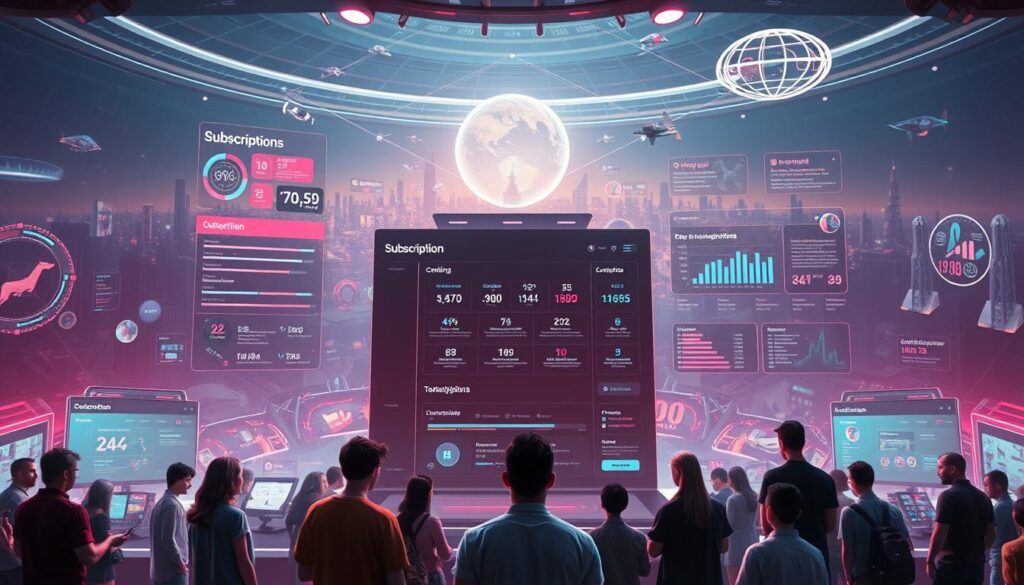
To achieve sustainability, creators are turning to innovative subscription models that provide dynamic tiered access and exclusive experiences. These advanced models are designed to meet the diverse needs of both creators and their audiences, ensuring a steady revenue stream while enhancing fan engagement.
Dynamic Tiered Access and Exclusive Experiences
Dynamic tiered access allows creators to offer multiple levels of content or experiences, catering to different segments of their audience. This could include basic, premium, and VIP tiers, each with varying degrees of exclusivity.
- Basic Tier: Access to exclusive content, early updates.
- Premium Tier: Additional benefits like behind-the-scenes content, exclusive live streams.
- VIP Tier: Personalized experiences, direct interaction with creators, exclusive merchandise.
Cross-Platform Subscription Bundles
Cross-platform subscription bundles enable creators to offer their content or services across multiple platforms through a single subscription. This simplifies the user experience and can increase the perceived value of the subscription.
Engagement-Based Pricing Algorithms
Engagement-based pricing algorithms adjust the cost of subscriptions based on user engagement. This model incentivizes creators to produce highly engaging content, as it directly impacts their revenue.
Micro-Subscriptions and Pay-Per-Engagement
Micro-subscriptions and pay-per-engagement models offer users the flexibility to pay for specific content or interactions. This could include paying for a single piece of exclusive content or contributing to a creator’s tip jar.
Subscription Sharing and Group Access
Subscription sharing and group access allow multiple users to share a single subscription, making it more affordable and encouraging community building around a creator’s content.
| Subscription Model | Description | Benefits |
|---|---|---|
| Dynamic Tiered Access | Multiple levels of content or experiences | Caters to different audience segments |
| Cross-Platform Bundles | Single subscription across multiple platforms | Simplifies user experience, increases perceived value |
| Engagement-Based Pricing | Cost adjusts based on user engagement | Incentivizes high-quality content |
Creator-Owned Commerce Ecosystems
As the creator economy continues to evolve, a new paradigm is emerging: creator-owned commerce ecosystems. This shift enables creators to diversify their revenue streams and strengthen their connection with their audience.
Direct-to-Fan Product Development Platforms
Direct-to-fan product development platforms are empowering creators to design and sell products directly to their most dedicated fans. This model not only increases profit margins but also fosters a deeper connection between creators and their audience. By leveraging platform diversification, creators can reduce their dependence on a single revenue source.
Virtual Goods and Digital Merchandise Marketplaces
Virtual goods and digital merchandise marketplaces are becoming increasingly popular, allowing creators to sell digital products such as exclusive content, virtual clothing for avatars, or digital art. These marketplaces provide a new revenue stream and enhance audience ownership by giving fans unique digital possessions.
Experience-Based Commerce Models
Experience-based commerce models are redefining how creators monetize their influence. By offering exclusive experiences, such as virtual meet-and-greets or behind-the-scenes content, creators can build stronger relationships with their fans. This approach not only generates revenue but also increases fan loyalty.
On-Demand Physical Product Creation
On-demand physical product creation is a game-changer for creators, allowing them to produce and ship physical products only when ordered. This model eliminates the need for inventory storage and reduces financial risk. Creators can offer a wide range of products, from print-on-demand t-shirts to customized phone cases, enhancing their platform diversification.
Digital Twin Products and Services
Digital twin products and services involve creating digital replicas of physical products or experiences. This can include virtual product demos or digital events that mirror physical ones. By offering digital twins, creators can cater to a broader audience and provide immersive experiences that enhance audience ownership.
Audience Ownership and First-Party Data
The future of the creator economy hinges on audience ownership and the strategic use of first-party data. As creators continue to build their digital presence, having control over their audience data becomes increasingly important.
Creator-Controlled Data Collection Infrastructure
Creators are now focusing on building their own data collection infrastructure to gather first-party data directly from their audience. This approach allows them to have greater control over their data and make informed decisions about their content strategy.
Community Building Beyond Traditional Platforms
By leveraging first-party data, creators can build more engaged communities beyond traditional social media platforms. This involves using data to understand audience preferences and tailor content accordingly.
AI-Powered Audience Insights and Segmentation
The integration of AI in analyzing first-party data provides creators with valuable insights into their audience’s behavior and preferences. This enables more effective audience segmentation and targeted content creation.
Predictive Content Optimization
AI-powered tools can analyze audience data to predict content performance, allowing creators to optimize their content strategy for better engagement.
Personalized Fan Experiences
By leveraging audience insights, creators can offer personalized experiences to their fans, enhancing their overall engagement and loyalty.
| Strategy | Description | Benefits |
|---|---|---|
| Direct Data Collection | Gathering data directly from the audience | Greater control, more accurate data |
| AI-Powered Insights | Analyzing data with AI tools | Better audience understanding, improved content targeting |
| Personalization | Tailoring experiences to individual fans | Increased engagement, loyalty |
By focusing on audience ownership and leveraging first-party data, creators can build stronger, more engaged communities and drive their success in the evolving creator economy.
Metaverse and Spatial Computing for Creators
The future of the creator economy lies in the metaverse, where spatial computing enables new forms of content creation. As we dive into this emerging landscape, creators are finding innovative ways to monetize their digital presence.
Creator-Built Digital Environments and Worlds
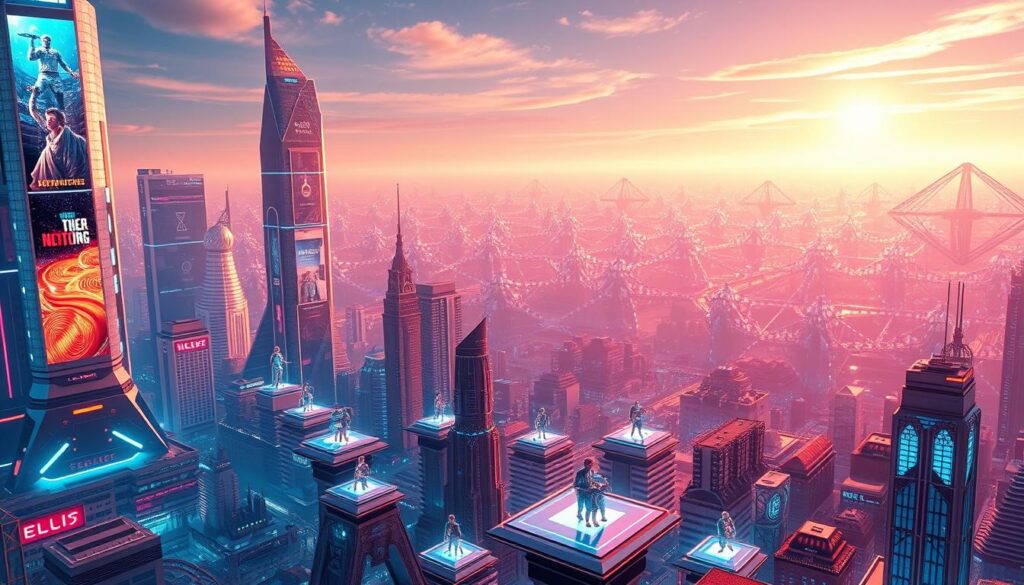
Creators are now building complex digital environments and worlds within the metaverse. These virtual spaces allow for new forms of interaction and monetization, such as virtual real estate and digital venues.
Persistent Virtual Events and Experiences
The metaverse enables creators to host persistent virtual events and experiences, offering attendees a unique and immersive experience. These events can be monetized through ticket sales, sponsorships, and virtual goods.
Mixed Reality Content Monetization
Mixed reality (MR) is becoming a powerful tool for creators to produce engaging content. By blending the physical and digital worlds, creators can develop new revenue streams through MR experiences.
Virtual Real Estate and Digital Venues
Virtual real estate is emerging as a valuable asset within the metaverse. Creators can buy, sell, and develop virtual properties, creating new opportunities for digital venues and events.
Avatar and Identity Monetization
Avatars and digital identities are becoming crucial elements of the metaverse. Creators can monetize their avatars through customization options, digital fashion, and other virtual goods.
As the metaverse continues to evolve, it’s clear that short-form video monetization and other forms of digital content will play a significant role in shaping the creator economy of 2026.
Conclusion: Positioning Yourself for Success in the 2026 Creator Economy
As the creator economy continues to evolve, understanding emerging trends and technologies is crucial for success. Creators and entrepreneurs must adapt to changing consumer behaviors and platform landscapes to remain competitive.
Key to this adaptation is diversifying revenue streams across multiple platforms, leveraging creator monetization trends such as tokenization, short-form video monetization, and advanced subscription models. By doing so, creators can reduce their dependence on a single platform and increase their resilience in the face of algorithm changes or market fluctuations.
Platform diversification is also vital, as it enables creators to reach broader audiences and build more robust communities. By embracing new platforms and technologies, such as the metaverse and spatial computing, creators can unlock new revenue streams and stay ahead of the competition.
Ultimately, success in the 2026 creator economy will depend on the ability to navigate a rapidly changing landscape, leveraging the latest trends and technologies to build sustainable, engaging communities and drive revenue growth.