
Blog
Computers That Think Like Brains: The Promise of Neuromorphic Computing and Extreme Efficiency**

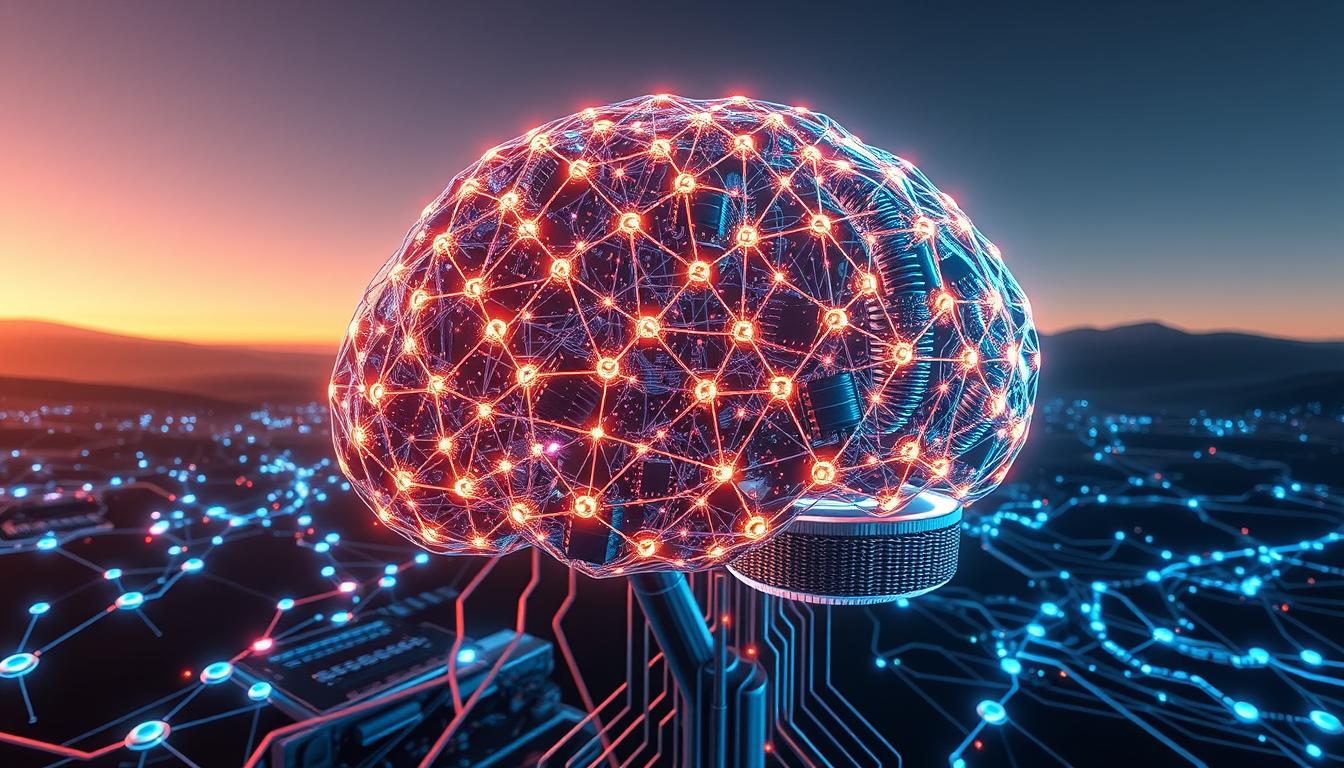
The human brain is a marvel of efficiency, capable of processing complex information while consuming very little power. Brain-inspired AI is revolutionizing the way we think about computing, making it possible to create systems that are not only powerful but also energy-efficient.
Neuromorphic Computing is an innovative approach that mimics the brain’s neural networks to achieve extreme efficiency in computing. This technology has the potential to transform various fields, from artificial intelligence to robotics.
Key Takeaways
- The concept of Neuromorphic Computing is inspired by the human brain’s efficiency.
- Brain-inspired AI can lead to significant advancements in energy-efficient computing.
- This technology has the potential to revolutionize various industries.
- Neuromorphic systems can process complex information while consuming less power.
- The future of computing lies in creating systems that think like brains.
The Brain-Inspired Computing Revolution
The future of hardware is being reshaped by the advent of neuromorphic computing, a revolutionary technology inspired by the brain’s efficiency. As we continue to push the limits of traditional computing architectures, it becomes increasingly clear that we need systems that can think and process information differently.
The Limitations of Traditional Computing Architectures
Traditional computing systems, based on the von Neumann architecture, have been the backbone of our digital world. However, they are facing significant challenges as we demand more complex and efficient processing. These systems are not optimized for tasks that require parallel processing, adaptability, and low power consumption, which are essential for many modern applications.
The Emergence of Brain-Inspired Computing Models
In response to these limitations, brain-inspired computing models are emerging as a promising alternative. These models draw inspiration from the brain’s neural networks, where information is processed in a highly distributed and parallel manner. For more insights on the revolution brought about by neuromorphic computing, you can explore critical questions about brain-inspired AI.
| Feature | Traditional Computing | Brain-Inspired Computing |
|---|---|---|
| Processing Style | Sequential | Parallel |
| Learning Mechanism | Programmed | Adaptive (e.g., Spiking Neural Networks) |
| Energy Efficiency | High Consumption | Low Consumption |
Why We Need Computing Systems That Think Differently
The need for computing systems that can process information more like the human brain is becoming increasingly urgent. With the rise of applications requiring real-time processing, such as autonomous vehicles and IoT devices, traditional computing architectures are being stretched to their limits. Neuromorphic computing offers a potential solution, enabling more efficient and adaptive processing capabilities.
What Is Neuromorphic Computing?
In the quest for more efficient and adaptive computing systems, neuromorphic computing has gained significant attention for its brain-inspired approach. This innovative field seeks to develop computers that think like brains, offering a promising solution to the limitations of traditional computing architectures.
Definition and Core Principles
Neuromorphic computing is defined by its ability to mimic the neural networks of the brain, using artificial neurons and synapses to process information. The core principle behind this approach is to create computing systems that are highly adaptive, energy-efficient, and capable of real-time learning.
- Parallel Processing: Neuromorphic systems process information in parallel, much like the brain, allowing for faster and more efficient computation.
- Event-Based Computation: Unlike traditional computers that process information continuously, neuromorphic systems operate on an event-based model, reducing unnecessary computations and saving energy.
- Adaptive Learning: Neuromorphic chips can learn and adapt in real-time, enabling applications that require dynamic response to changing conditions.
How Neuromorphic Systems Mimic Neural Networks
Neuromorphic systems are designed to replicate the structure and function of biological neural networks. By using spiking neural networks (SNNs), these systems mimic the way neurons communicate through electrical spikes. This approach allows neuromorphic chips to process complex patterns and learn from experience, much like the human brain.
The Von Neumann Bottleneck vs. Neuromorphic Architecture
Traditional computing architectures, based on the Von Neumann model, suffer from a significant bottleneck between the processor and memory. This limitation hinders the performance and efficiency of computing systems. In contrast, neuromorphic architecture integrates memory and processing, much like the brain, where neurons and synapses serve both functions. This design avoids the Von Neumann bottleneck, enabling more efficient and scalable computing.
The advantages of neuromorphic computing are clear: energy efficiency, massive parallelism, and real-time adaptability. As research continues to advance in this field, we can expect to see significant breakthroughs in areas like edge computing, autonomous systems, and brain-computer interfaces.
The Biology Behind the Technology
At the heart of neuromorphic computing lies a deep understanding of the brain’s biological processes, particularly how neurons communicate through spikes. This understanding is crucial for developing computers that can think and learn like the human brain.
Neurons, Synapses, and Spikes: The Brain’s Computing Elements
The brain’s computational power is rooted in its complex network of neurons, which communicate through synapses using electrical spikes. Spiking neural networks are a key aspect of neuromorphic computing, mimicking the brain’s efficient information processing mechanisms. These networks are composed of artificial neurons that transmit information through spikes, similar to their biological counterparts.

Event-Based Processing in Biological Systems
Biological systems process information in an event-based manner, meaning that neurons only transmit signals when there is a significant change or event. This event-based processing is highly efficient, as it minimizes unnecessary activity. Neuromorphic systems aim to replicate this efficiency by using similar event-driven architectures.
From Biological Inspiration to Silicon Implementation
Translating the brain’s biological processes into silicon requires innovative engineering. By understanding how neurons and synapses work, researchers can design neuromorphic chips that mimic these processes. These chips have the potential to revolutionize computing by providing brain-inspired AI capabilities that are both powerful and energy-efficient.
The development of Neuromorphic Computing systems represents a significant step forward in creating computers that can think and learn like humans. By leveraging the brain’s efficient processing mechanisms, these systems can achieve extreme efficiency and capabilities that traditional computing architectures cannot match.
- Neuromorphic computing is inspired by the brain’s neural networks.
- Spiking neural networks are a crucial component of neuromorphic systems.
- Event-based processing is key to the efficiency of both biological and neuromorphic systems.
The Extreme Efficiency Advantage
One of the most significant benefits of neuromorphic computing is its ability to process information with unprecedented efficiency. This efficiency is multifaceted, encompassing improvements in energy consumption, processing speed, and real-time learning capabilities.
Energy Consumption: Orders of Magnitude Improvement
Neuromorphic computing systems are designed to consume significantly less power than traditional computing architectures. By mimicking the brain’s neural networks, these systems can achieve orders of magnitude improvement in energy efficiency. This is crucial for applications where power is limited, such as in mobile devices or edge computing scenarios.
Processing Speed and Massive Parallelism
Another key advantage of neuromorphic computing is its ability to process information in parallel, much like the brain’s neural networks. This massive parallelism enables neuromorphic systems to handle complex tasks more efficiently than traditional sequential processing architectures.
Real-Time Learning and Adaptation Capabilities
Neuromorphic systems are also capable of real-time learning and adaptation, allowing them to adjust to new information or changing conditions without the need for offline training. This capability is particularly valuable in applications that require dynamic response to unpredictable events.
Case Study: Energy Savings in Practical Applications
A practical example of the energy efficiency of neuromorphic computing can be seen in its application to edge computing and IoT devices. For instance, neuromorphic chips can be used in smart sensors to process data locally, reducing the need for data transmission and thereby saving energy.
In conclusion, the extreme efficiency advantage of neuromorphic computing is a game-changer for various applications, from edge computing to autonomous systems. Its potential to reduce energy consumption while maintaining or improving processing capabilities makes it an attractive solution for the future of computing.
Spiking Neural Networks: The Heart of Neuromorphic Systems
The heart of neuromorphic computing lies in spiking neural networks, which simulate the brain’s neural activity. Unlike traditional artificial neural networks, spiking neural networks communicate through discrete events or spikes, making them more akin to biological neural networks.
Differences from Traditional ANNs
Spiking neural networks differ significantly from traditional ANNs in their operation and efficiency. While traditional ANNs rely on continuous signal processing, spiking networks use discrete spikes, similar to the action potentials in biological neurons. This difference allows spiking networks to process information in a more energy-efficient manner, akin to the brain.
Spike-Timing-Dependent Plasticity (STDP)
A crucial aspect of spiking neural networks is their ability to learn through spike-timing-dependent plasticity (STDP). STDP is a synaptic plasticity mechanism that adjusts the strength of connections between neurons based on the relative timing of their spikes. This mechanism is believed to be fundamental to learning and memory in the brain.
Training and Learning in Spiking Networks
Training spiking neural networks involves complex algorithms that take into account the timing of spikes. One such approach is using neuromorphic learning algorithms that adapt to the spiking activity of the network.
Neuromorphic Learning Algorithms
Neuromorphic learning algorithms are designed to work with the unique characteristics of spiking neural networks. These algorithms enable the networks to learn from the data they process, adapting their synaptic strengths to improve performance over time.
By leveraging spiking neural networks and neuromorphic learning algorithms, brain-inspired AI systems can achieve unprecedented levels of efficiency and adaptability, paving the way for significant advancements in neuromorphic computing.
Current Neuromorphic Chip Technologies
Advancements in neuromorphic chip technologies are paving the way for more efficient and powerful computing systems that are inspired by the brain’s neural networks. These chips are designed to mimic the brain’s ability to process information in a highly parallel and efficient manner.
IBM’s TrueNorth Architecture
IBM’s TrueNorth chip is a pioneering example of neuromorphic computing hardware. It features a unique architecture that integrates 1 million neurons and 4 billion synapses on a single chip, consuming only 70 milliwatts of power. This low power consumption is crucial for applications in edge computing and IoT devices.
Key Features of TrueNorth:
- 1 million neurons
- 4 billion synapses
- 70 milliwatts power consumption
Intel’s Loihi Neuromorphic Research Chip
Intel’s Loihi chip is another significant development in neuromorphic computing. It is designed to learn and adapt in real-time, using a novel architecture that incorporates spike-timing-dependent plasticity (STDP). Loihi has been shown to be highly effective in tasks such as pattern recognition and anomaly detection.
Loihi’s Capabilities:
- Real-time learning
- Spike-timing-dependent plasticity (STDP)
- High efficiency in pattern recognition
SpiNNaker and BrainScaleS Projects
The SpiNNaker and BrainScaleS projects are two notable research initiatives in the field of neuromorphic computing. SpiNNaker is a massively parallel computing system designed to simulate large-scale neural networks, while BrainScaleS focuses on developing hardware that accelerates neural network simulations.
Emerging Startups and Research Initiatives
The field of neuromorphic computing is also seeing the emergence of several startups and research initiatives. These new players are bringing innovative approaches to neuromorphic chip design and applications, further advancing the field.
Performance Benchmarks and Comparisons
Comparing the performance of different neuromorphic chips is crucial for understanding their capabilities and limitations. The following table provides a comparison of some key specifications:
| Chip | Neurons | Synapses | Power Consumption |
|---|---|---|---|
| IBM TrueNorth | 1 million | 4 billion | 70 milliwatts |
| Intel Loihi | 128 million | 130 billion | Low (specifics not disclosed) |
| SpiNNaker | N/A | N/A | Variable (dependent on configuration) |
Real-World Applications and Use Cases
With its energy-efficient computing paradigm, neuromorphic technology is making significant inroads in medical and scientific research applications. The unique architecture of neuromorphic systems allows for innovative solutions across various domains.
Edge Computing and IoT Devices
Neuromorphic computing is particularly suited for edge computing and IoT devices due to its ability to process information in real-time while consuming minimal power. This makes it ideal for applications such as:
- Smart home devices that can learn and adapt to user behavior
- Industrial IoT sensors that can detect anomalies and predict maintenance needs
- Wearable devices that can monitor health metrics and provide personalized feedback
Autonomous Systems and Robotics
The brain-inspired AI capabilities of neuromorphic systems are enhancing autonomous vehicles and robotics. These systems can process sensory information from cameras, lidar, and other sensors in real-time, enabling:
- Improved navigation and obstacle avoidance
- Enhanced decision-making in complex environments
- More efficient energy management for longer operation times
Medical and Scientific Research Applications
Neuromorphic computing is being used in various medical and scientific research applications, including:
- Simulating complex neural networks to understand brain disorders
- Developing personalized medicine approaches based on patient data
- Analyzing large datasets in genomics and proteomics research
Smart Sensors and Event-Based Vision
Neuromorphic technology is also being applied to create smart sensors and event-based vision systems. These sensors can detect and respond to changes in their environment, such as:
- Event-based cameras that can track fast-moving objects
- Smart surveillance systems that can detect anomalies in real-time
Success Stories: Neuromorphic Computing in Action
Several organizations have successfully implemented neuromorphic computing solutions. For instance, IBM’s TrueNorth chip has been used in various applications, from simulating neural networks to controlling robots. These success stories demonstrate the potential of neuromorphic computing to transform industries and improve lives.
Challenges and Future Directions
As neuromorphic computing continues to evolve, it faces several challenges that need to be addressed to fully realize its potential. The development of neuromorphic systems requires a multidisciplinary approach, combining insights from neuroscience, computer science, and engineering.
Hardware Implementation Challenges
One of the significant challenges in neuromorphic computing is the implementation of hardware that can efficiently mimic the brain’s neural networks. Current hardware faces limitations in terms of scalability, energy efficiency, and the ability to support complex neural network models. Researchers are exploring new materials and technologies, such as memristors, to overcome these challenges.
Software and Programming Paradigms
The development of software for neuromorphic systems is another critical challenge. Traditional programming paradigms are not well-suited for the parallel, event-driven nature of neuromorphic computing. New programming models and algorithms are needed to fully leverage the capabilities of neuromorphic hardware. For instance, recent research has focused on developing spiking neural networks that can efficiently process information in a neuromorphic system.
Scaling Issues and Fabrication Complexities
Scaling up neuromorphic systems while maintaining their efficiency and reliability is a significant challenge. As the complexity of these systems increases, so does the difficulty in fabricating them. Advances in fabrication techniques and the development of more robust designs are crucial for the future of neuromorphic computing.
The Path Forward: Research Frontiers and Breakthroughs
Despite these challenges, the field of neuromorphic computing is rapidly advancing. Ongoing research is expected to lead to significant breakthroughs in areas such as energy-efficient processing, real-time learning, and autonomous systems. As researchers continue to push the boundaries of what is possible with neuromorphic computing, we can expect to see new applications and innovations emerge.
Conclusion: Reimagining Computing for the Next Generation
Neuromorphic Computing is poised to revolutionize the way we approach computing, offering a paradigm shift from traditional architectures to brain-inspired models. By mimicking the neural networks of the human brain, neuromorphic systems can achieve extreme efficiency in processing complex tasks.
The emergence of energy-efficient computing through spiking neural networks is a significant step forward. These networks, which operate similarly to biological neural networks, enable real-time learning and adaptation, making them ideal for applications in edge computing, autonomous systems, and robotics.
As research continues to advance in this field, we can expect to see significant breakthroughs in hardware and software development. The potential for neuromorphic computing to transform industries is vast, from medical and scientific research to smart sensors and event-based vision.
With the development of neuromorphic chip technologies, such as IBM’s TrueNorth and Intel’s Loihi, the future of computing is becoming increasingly promising. These innovations are paving the way for a new generation of computing systems that are not only more efficient but also more adaptive and responsive to the needs of users.