Blog
Choosing the Best Protein Shake: Whey vs. Casein vs. Plant-Based for Your Goals

When it comes to achieving your fitness goals, the right protein powder can make all the difference. With so many options available, selecting the best one can be overwhelming.
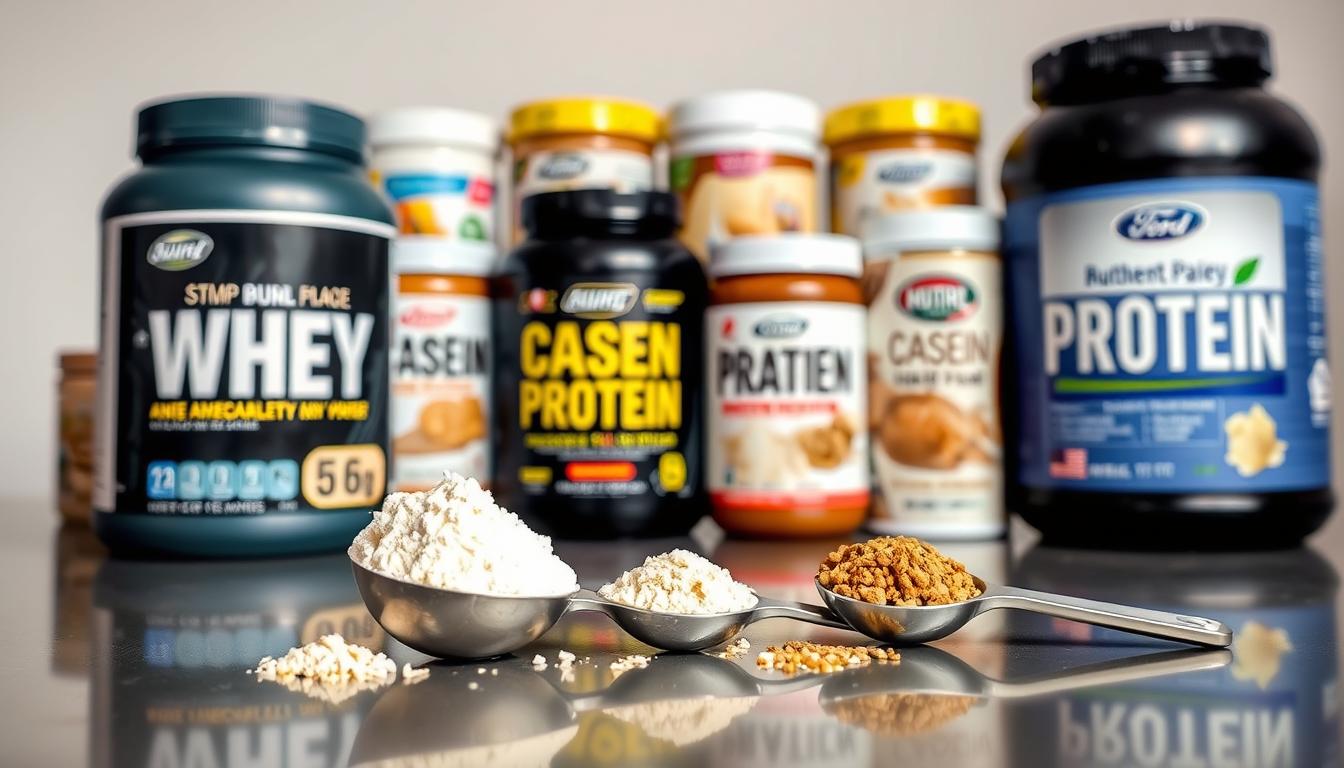
There are three main types of protein powders: whey, casein, and plant-based. Whey protein is known for its fast absorption rate, making it ideal for post-workout recovery. Casein, on the other hand, is absorbed more slowly, providing a sustained release of amino acids. Plant-based options, such as pea and rice protein, offer a hypoallergenic alternative.
Understanding the differences between these protein powder types is crucial in choosing the best one for your specific needs. Whether you’re looking to build muscle, lose weight, or simply maintain a healthy lifestyle, the right protein powder can help you achieve your goals.
Key Takeaways
- Different types of protein powders cater to various fitness goals.
- Whey protein is ideal for post-workout recovery.
- Casein provides a sustained release of amino acids.
- Plant-based options offer a hypoallergenic alternative.
- Choosing the right protein powder depends on your specific needs.
The Fundamentals of Protein Supplementation
Protein plays a vital role in fitness, serving as the building block for muscle repair and growth. It’s essential for fitness enthusiasts to understand the fundamentals of protein supplementation to achieve their goals effectively.
Why Protein Is Essential for Fitness
Protein is crucial for muscle recovery and development. After a workout, muscles are in a state of repair, and protein helps to mend and strengthen muscle fibers. Consuming sufficient protein ensures that the body can support muscle growth and maintenance.
Daily Protein Requirements Based on Activity Level
The daily protein requirement varies based on an individual’s activity level. For instance, athletes or those who are highly active may require more protein to support muscle repair and growth. The table below outlines the general guidelines for daily protein intake based on activity level.
| Activity Level | Daily Protein Intake (grams/kg body weight) |
|---|---|
| Sedentary | 0.8 |
| Moderately Active | 1.2-1.6 |
| Very Active | 1.6-2.2 |
Whole Foods vs. Supplements: Finding the Balance
While whole foods should be the primary source of protein, supplements can help bridge the gap when dietary needs are not met through food alone. The best time for protein shake consumption can vary, but it’s often recommended post-workout to aid in recovery. Finding a balance between whole foods and supplements is key to meeting daily protein requirements.

Protein Shakes: Types, Benefits, and Applications
The world of protein shakes is diverse, with various types catering to different fitness goals and dietary needs. Whether you’re looking to build muscle, aid in recovery, or simply supplement your diet, there’s a protein shake designed for your specific requirements.
What Makes a Quality Protein Shake
A quality protein shake is determined by several factors, including the type of protein used, the manufacturing process, and additional ingredients. High-quality protein sources such as whey, casein, or plant-based options like pea and rice protein are essential. Moreover, minimal processing and the absence of unwanted additives contribute to a superior product.
Bioavailability and Absorption Rates
Bioavailability refers to the body’s ability to absorb and utilize the protein. Different proteins have varying absorption rates; for instance, whey protein is known for its rapid absorption, making it ideal for post-workout recovery. In contrast, casein protein digests more slowly, providing a sustained release of amino acids.
Protein Digestion and Amino Acid Delivery
The digestion rate of protein affects how amino acids are delivered to the muscles. A fast-digesting protein like whey can quickly elevate amino acid levels in the blood, promoting muscle protein synthesis. Conversely, a slower-digesting protein like casein can provide a prolonged amino acid delivery, supporting muscle recovery over several hours.
Understanding these aspects of protein shakes can help you make informed decisions about your supplement routine, ensuring you choose a product that aligns with your fitness goals and supports your overall health.
Whey Protein: The Gold Standard for Muscle Growth
When it comes to building muscle, whey protein stands out as a superior supplement due to its high quality and effectiveness. Whey protein is derived from milk during the cheese-making process and is known for its complete amino acid profile and high bioavailability.
Whey Concentrate vs. Isolate vs. Hydrolysate
Whey protein comes in several forms, each with its unique characteristics. Whey concentrate contains a mix of protein, fat, and lactose, making it a more natural option. Whey isolate, on the other hand, is more refined, containing a higher protein percentage and less fat and lactose. Whey hydrolysate is broken down into smaller peptides, making it easier to absorb.
| Type | Protein Content | Absorption Rate |
|---|---|---|
| Whey Concentrate | 80-85% | Moderate |
| Whey Isolate | 90-95% | Fast |
| Whey Hydrolysate | 90-95% | Very Fast |
BCAA Content and Muscle Protein Synthesis
Whey protein is rich in Branched-Chain Amino Acids (BCAAs), particularly leucine, which plays a crucial role in initiating muscle protein synthesis (MPS). MPS is the process by which your body builds new muscle proteins to repair and grow muscle tissue. Consuming whey protein after a workout can significantly enhance MPS, supporting muscle growth and recovery.
“Whey protein’s high BCAA content, especially leucine, makes it an ideal supplement for promoting muscle protein synthesis and supporting muscle growth.” –
Ideal Scenarios for Whey Consumption
Whey protein is versatile and can be consumed in various scenarios. It’s particularly effective as a post-workout shake to aid in recovery and muscle growth. Additionally, it can be used as a meal replacement shake when you’re on-the-go, providing a convenient source of high-quality protein.
Common Concerns and Limitations
While whey protein is generally well-tolerated, some individuals may experience digestive issues, particularly those with lactose intolerance. Choosing a whey isolate or hydrolysate can mitigate these issues. It’s also worth noting that relying too heavily on whey protein without balancing it with whole foods can lead to nutrient imbalances.
In conclusion, whey protein is a powerful supplement for muscle growth and recovery. Understanding its different forms and how to use it effectively can help you achieve your fitness goals.
Casein Protein: Slow-Digesting Recovery Support
The slow-digesting nature of casein protein makes it an ideal supplement for promoting muscle preservation and recovery. Unlike other proteins that are quickly absorbed, casein provides a sustained release of amino acids, supporting muscle health over an extended period.
Micellar Casein Structure and Digestion
Micellar casein is the primary form of casein protein used in supplements. It is characterized by its micelle structure, which allows it to coagulate in the stomach, slowing down digestion and absorption. This slow digestion rate provides a gradual release of amino acids into the bloodstream, supporting prolonged muscle recovery.
Anti-Catabolic Properties for Muscle Preservation
One of the key benefits of casein protein is its anti-catabolic properties. By providing a steady supply of amino acids, casein helps to prevent muscle breakdown, particularly during periods of fasting or when on a calorie-restricted diet. This makes it an excellent choice for consumption before bedtime.
For more information on the benefits of consuming casein protein at night, visit MyProtein’s blog on whey and casein protein.
Optimal Timing for Casein Consumption
The optimal timing for consuming casein protein is typically before extended periods of rest, such as before bedtime. This allows the slow-digesting protein to support muscle recovery throughout the night. Additionally, casein can be beneficial during other periods of prolonged fasting or when a meal is not imminent.
Combining Casein with Other Proteins
Combining casein with other proteins, such as whey, can provide a comprehensive amino acid profile and support both immediate and prolonged recovery needs. When selecting a casein protein product, it’s essential to be mindful of ingredients to avoid, such as artificial sweeteners, fillers, and excessive sugar content.
By understanding the benefits and optimal usage of casein protein, individuals can make informed decisions about incorporating this valuable supplement into their fitness regimen.
Plant-Based Protein Options: Complete Nutrition Without Animal Products
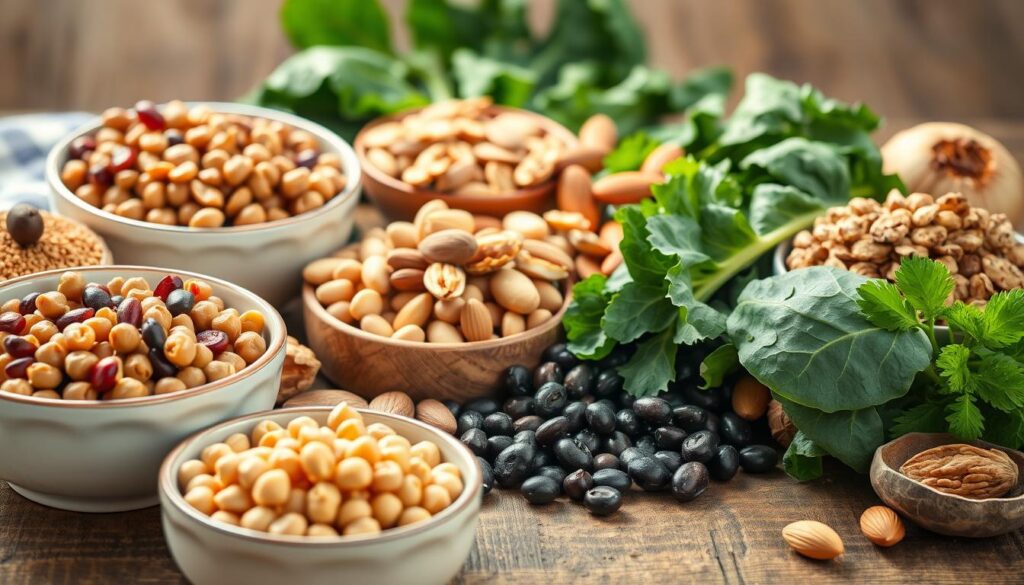
For those looking to avoid animal products, plant-based proteins provide a valuable alternative for meeting daily protein needs. These proteins are derived from various sources, including peas, rice, hemp, and soy.
Pea, Rice, Hemp, and Soy Protein Profiles
Pea Protein: High in branched-chain amino acids (BCAAs), pea protein is easily digestible and hypoallergenic. It’s an excellent choice for those with sensitive stomachs or dietary restrictions.
Rice Protein: While lower in BCAAs compared to pea protein, rice protein is rich in glutamic acid and is easy on the digestive system. It’s often combined with other proteins to achieve a complete amino acid profile.
Hemp Protein: A complete protein source that contains all nine essential amino acids, hemp protein is also rich in omega-3 fatty acids and fiber. However, it’s often considered to have a lower bioavailability compared to other plant proteins.
Soy Protein: A highly versatile and researched plant protein, soy protein is known for its high quality and ability to support muscle growth and recovery. It’s a complete protein that contains all essential amino acids.
Protein Blends for Complete Amino Acid Profiles
Combining different plant-based proteins can provide a complete amino acid profile, ensuring that the body receives all the necessary building blocks for muscle repair and growth. For example, pairing pea protein with rice protein creates a highly effective protein blend.
| Protein Type | Amino Acid Profile | Digestibility |
|---|---|---|
| Pea Protein | High in BCAAs | Easy |
| Rice Protein | Rich in Glutamic Acid | Easy |
| Hemp Protein | Complete Amino Acid Profile | Moderate |
| Soy Protein | Complete Amino Acid Profile | Easy |
Digestibility and Allergen Considerations
While plant-based proteins are generally considered hypoallergenic, some individuals may still experience sensitivities. For instance, soy protein can be a common allergen. Choosing single-source proteins or blends can help mitigate these issues.
Environmental and Ethical Advantages
Plant-based proteins offer significant environmental benefits, including lower greenhouse gas emissions and water usage compared to animal-derived proteins. Ethically, they align with vegan and vegetarian lifestyles, promoting animal welfare.
In conclusion, plant-based protein powders offer a diverse range of options for those seeking to avoid animal products. By understanding the profiles, benefits, and considerations of these proteins, individuals can make informed choices that align with their dietary needs and ethical preferences.
Matching Your Fitness Goals to the Right Protein Shake
Selecting the right protein shake can be a game-changer for achieving your fitness goals. With various types of protein powders available, understanding your specific needs is crucial for optimal results.
Muscle Building and Strength Training Protocols
For those focused on muscle building and strength training, a protein shake with a high protein content and essential amino acids is vital. Whey protein is often recommended due to its high bioavailability and ability to stimulate muscle protein synthesis. Consuming whey protein post-workout can help in muscle recovery and growth. For more information on the best protein powders, you can check out this article on Women’s Health Magazine.
Weight Management and Fat Loss Strategies
When the goal is weight management or fat loss, a protein shake can help by providing a feeling of fullness and supporting muscle mass during calorie restriction. Casein protein, with its slow digestion rate, can be particularly effective before bedtime, helping to reduce muscle breakdown. Choosing a protein shake with minimal added sugars and artificial ingredients is also crucial.
Endurance Performance and Recovery
Endurance athletes require protein shakes that not only support muscle recovery but also provide necessary electrolytes. A blend of proteins, such as whey and casein, can offer both immediate and sustained amino acid delivery, supporting recovery and performance. Timing protein intake around workouts can enhance its effectiveness.
General Wellness and Dietary Supplementation
For individuals focusing on general wellness, a protein shake can be a convenient way to ensure adequate protein intake. Plant-based proteins like pea or rice protein are excellent options for those with dietary restrictions or preferences. They can be consumed at any time of day, depending on individual protein needs and schedules.
Understanding the best time for a protein shake can further enhance its benefits. Generally, consuming protein within an hour after a workout is considered optimal for recovery. However, the specific timing can vary based on individual goals and schedules.
Strategic Timing: When to Consume Your Protein Shake
To maximize the benefits of protein supplementation, understanding when to consume your protein shake is crucial. The timing of protein intake can significantly impact its effectiveness in supporting muscle recovery, growth, and overall fitness goals.
The Pre-Workout Protein Window
Consuming a protein shake before a workout can help provide essential amino acids to muscles during exercise. This pre-workout protein window is believed to help reduce muscle damage and improve performance. Opt for a protein source that digests quickly, such as whey protein, to get the most out of your pre-workout shake.
Post-Exercise Recovery Optimization
After a workout, your muscles are primed for recovery. Consuming a protein shake within 30-60 minutes post-exercise can help maximize muscle protein synthesis, supporting muscle recovery and growth. This is particularly important for those looking to enhance muscle recovery after intense or prolonged exercise.
Nighttime Protein for Overnight Muscle Repair
Drinking a protein shake before bed can provide your muscles with a steady supply of amino acids throughout the night, supporting muscle repair and recovery. Casein protein is often recommended for nighttime consumption due to its slow-digesting properties.
Using Protein Shakes as Meal Replacements
Protein shakes can be a convenient and effective way to replace a meal, especially for those with busy schedules. When using a protein shake as a meal replacement, ensure it’s balanced with other nutrients like healthy fats and complex carbohydrates to provide sustained energy and satisfaction.
In conclusion, the strategic timing of protein shake consumption can significantly enhance its benefits for muscle recovery and overall fitness. By understanding when to consume your protein shake, you can optimize your fitness regimen and achieve your goals more effectively.
- Pre-workout: Whey protein for quick digestion
- Post-workout: Protein shake within 30-60 minutes for recovery
- Before bed: Casein protein for overnight muscle repair
- Meal replacement: Balanced with healthy fats and complex carbohydrates
Ingredients to Avoid and Quality Indicators in Protein Products
To make informed decisions about your protein intake, understanding the ingredients to avoid in protein products is essential. With the market flooded with various protein powders and shakes, discerning the quality of a product can be daunting.
The presence of undesirable ingredients can not only affect the product’s efficacy but also potentially harm your health. Therefore, it’s crucial to be aware of what you’re consuming.
Artificial Sweeteners, Fillers, and Additives
Many protein products contain artificial sweeteners, fillers, and additives to enhance taste and texture. However, these can have negative health implications. For instance, certain artificial sweeteners have been linked to digestive issues in some individuals.
When choosing a protein product, opt for those with natural sweeteners like stevia or monk fruit, and be wary of products with a long list of unrecognizable additives.
Heavy Metal Testing and Certification
Heavy metals like lead, mercury, and arsenic can be present in protein products, particularly those derived from plants. Ensuring that your protein product has undergone heavy metal testing is vital.
Look for products that have been certified by third-party organizations, as these certifications often include rigorous testing for contaminants, including heavy metals.
Reading Labels: Sugar Content and Hidden Carbs
Understanding the nutritional label is key to avoiding unwanted sugars and carbs in your meal replacement shakes. Be mindful of the serving size and the total carbohydrate content.
Some protein products may contain hidden carbs in the form of maltodextrin or other fillers. Always check the ingredient list and nutrition label to ensure you’re getting a product that aligns with your dietary needs.
Third-Party Testing and Quality Assurance
Third-party testing is a critical aspect of ensuring the quality and safety of protein products. Organizations like NSF International and the International Society for Sports Nutrition provide certifications that indicate a product has met certain standards.
By choosing products that have undergone third-party testing, you can have greater confidence in the product’s quality and purity.
Conclusion: Personalizing Your Protein Approach for Optimal Results
Choosing the right protein powder can be a daunting task, given the numerous options available. Whey, casein, and plant-based proteins each have unique benefits and applications. Understanding your fitness goals and needs is crucial in selecting the most suitable protein powder type.
For muscle building and strength training, whey protein is often the preferred choice due to its high bioavailability and ability to stimulate muscle protein synthesis. On the other hand, casein protein is ideal for recovery and muscle preservation, particularly before bedtime. Plant-based proteins offer a versatile and environmentally friendly alternative, suitable for those with dietary restrictions or preferences.
By considering your individual needs and goals, you can make an informed decision about your protein supplementation. Whether you’re looking to build muscle, manage weight, or support overall wellness, there’s a protein powder type that can help you achieve optimal results. Experiment with different types and timing to find what works best for you.