
Blog
Beyond the Billionaire: The Commercialization and Accessibility of Space Tourism by 2026**

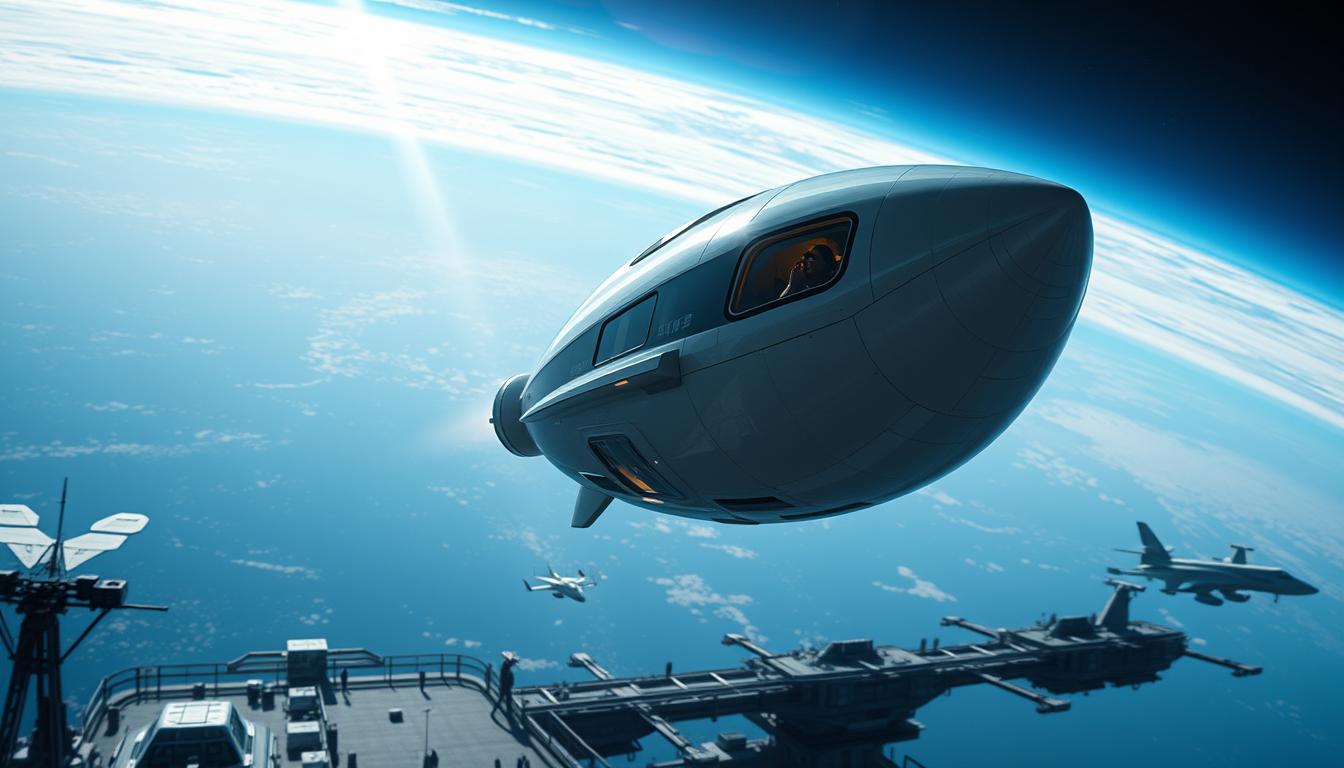
The concept of space travel has long been a fascination for humanity. Recently, the idea of space tourism has gained significant attention, with several companies working towards making it a reality.
By 2026, the commercialization of space travel is expected to reach new heights, with private companies like Virgin Galactic and Blue Origin leading the charge. This shift is making space tourism more accessible to a wider audience.
Key Takeaways
- The commercialization of space travel is expected to increase by 2026.
- Private companies are driving the growth of the space tourism industry.
- Accessibility to space travel is becoming a reality for a wider audience.
- Technological advancements are playing a crucial role in the development of space tourism.
- The future of space travel is looking promising, with new opportunities emerging.
The Current State of Space Tourism in 2023
The landscape of space travel is changing rapidly, with 2023 being a pivotal year for commercial space flight. Space tourism has seen significant advancements, making it more accessible and affordable for civilians.
Recent Milestones in Private Space Travel
Several notable achievements have been made in private space travel recently. These include:
- Successful launches of civilian missions into space.
- Record-breaking commercial flights that have pushed the boundaries of suborbital tourism.
Notable Civilian Missions
For instance, SpaceX’s Inspiration4 mission successfully completed the first all-civilian orbital flight. Such missions not only pave the way for future space travel but also inspire a new generation of space enthusiasts.
Record-Breaking Commercial Flights
Companies like Virgin Galactic have achieved significant milestones in suborbital tourism. Their efforts have made space more accessible to civilians.
Key Players Shaping the Industry
The growth of space tourism is largely driven by key players in the industry. These include:
- Billionaire-backed ventures that are investing in technology and infrastructure.
- Corporate partnerships that are facilitating collaboration between private companies and government agencies.
Billionaire-Backed Ventures
Companies like SpaceX, Blue Origin, and Virgin Galactic are at the forefront of space tourism. Their investments in technology and infrastructure are crucial for the industry’s growth.
Corporate Partnerships
Partnerships between private companies and government agencies are also vital. They enable the sharing of resources and expertise, driving innovation in space tourism.
From Billionaires to Middle Class: The Democratization Timeline
The democratization of space travel is gaining momentum, with projections indicating a substantial shift in accessibility over the next few years. As the industry continues to evolve, it’s becoming increasingly clear that space tourism will soon be within reach of a broader demographic.
Price Evolution Projections (2023-2026)
The cost of space travel is expected to decrease significantly between 2023 and 2026, making it more accessible to a wider audience. Several factors are driving this trend, including advancements in technology and increased competition among private space companies.
Expected Price Points by Year
By 2023, the average cost per seat for a suborbital flight is expected to be around $250,000. This price is projected to drop to $100,000 by 2024 and potentially reach $50,000 by 2026, as companies like Virgin Galactic and Blue Origin ramp up their operations.
Factors Driving Cost Reduction
Technological advancements and economies of scale are key factors driving the reduction in space travel costs. Reusability of rockets, improved manufacturing processes, and increased competition are all contributing to making space tourism more affordable.
Target Demographics for Near-Future Space Travel
Initially, space tourism will cater to high-net-worth individuals. However, as prices decrease, it’s expected that the upper-middle class will also become a significant demographic.
High-Net-Worth Individuals to Upper-Middle Class
The early adopters of space tourism will be high-net-worth individuals who are willing to pay a premium for the experience. As the cost decreases, the upper-middle class will begin to participate, driven by the allure of being part of a pioneering experience.
Corporate Sponsorships and Lottery Systems
To further democratize access, companies are exploring corporate sponsorships and lottery systems. These models will enable a broader range of people to experience space travel, either through sponsored seats or by winning a lottery for a free trip.
The Economics of Commercial Space Flight
As space tourism becomes increasingly viable, understanding the economics behind commercial space flight is crucial for stakeholders. The industry is witnessing significant transformations driven by technological advancements, economies of scale, and innovative funding models.
Current Cost Breakdown of Space Travel
The cost of space travel is a complex amalgamation of various expenses. Understanding these costs is essential for assessing the viability of commercial space flight.
Launch Expenses
Launch expenses constitute a significant portion of the overall cost, including the development and operation of launch vehicles. Companies like SpaceX have made significant strides in reducing these costs through reusable rocket technology.
Training and Preparation Costs
Training and preparation are critical components of space travel, involving costs associated with astronaut training, mission planning, and safety protocols. These costs are expected to decrease as the industry standardizes training procedures and leverages technological advancements.
| Cost Component | Current Cost | Projected Cost (2026) |
|---|---|---|
| Launch Expenses | $200 million | $150 million |
| Training and Preparation | $50 million | $30 million |
| Total | $250 million | $180 million |
Economies of Scale and Price Reduction Strategies
As the demand for commercial space flight increases, economies of scale are expected to play a crucial role in reducing costs. Strategies such as reusable launch vehicles, streamlined manufacturing processes, and competitive pricing models will further drive down expenses.

Investment Landscape and Funding Models
The investment landscape for commercial space flight is diverse, with funding coming from private investors, government contracts, and venture capital. Innovative funding models, including crowdfunding and partnerships, are also emerging as viable options.
Key investment trends include:
- Increased participation from venture capital firms
- Government partnerships to support infrastructure development
- Private equity investments in established companies
By understanding the economics of commercial space flight, stakeholders can better navigate the evolving landscape and capitalize on emerging opportunities.
Leading Space Tourism Companies Transforming the Market
Space tourism is becoming increasingly accessible, thanks to the innovative approaches of leading companies including SpaceX, Blue Origin, and Virgin Galactic. These companies are not only pushing the boundaries of technology but also making space travel more consumer-friendly. As a result, the space tourism industry is expected to grow significantly by 2026.
SpaceX’s Consumer-Focused Initiatives
SpaceX has been at the forefront of space technology, and its consumer-focused initiatives are no exception. One of the most significant developments is the Starship program.
Starship Tourism Potential
The Starship program is designed to take both people and cargo to the Moon, Mars, and other destinations in the solar system. With its reusable technology, Starship is poised to significantly reduce the cost of access to space, making it more viable for tourism.
Blue Origin’s Tourism Strategy
Blue Origin, founded by Jeff Bezos, is another key player in the space tourism industry. Its New Shepard program is designed to take passengers to the edge of space.
New Shepard Experience
The New Shepard experience offers a unique opportunity for passengers to experience weightlessness and see the curvature of the Earth. This suborbital flight is a significant step towards making space tourism more accessible.
Virgin Galactic’s Market Approach
Virgin Galactic, led by Richard Branson, has been actively developing its SpaceShipTwo program, designed to take passengers on suborbital flights.
SpaceShipTwo and Beyond
SpaceShipTwo is a significant development in space tourism, offering a unique experience for passengers. Virgin Galactic is also exploring other opportunities, including potential collaborations with other companies.
Emerging Competitors and Startups
Apart from the established players, several emerging competitors and startups are making their mark in the space tourism industry. These new entrants are bringing innovative solutions and approaches to the market.
| Company | Program | Focus |
|---|---|---|
| SpaceX | Starship | Reusable technology for lunar and Mars missions |
| Blue Origin | New Shepard | Suborbital flights for space tourism |
| Virgin Galactic | SpaceShipTwo | Suborbital flights for space tourism |
Technological Innovations Driving Accessibility
Technological innovations are playing a crucial role in making space travel more accessible to a wider audience. The advancements in various areas are not only enhancing the safety and reliability of space missions but also making them more comfortable for travelers.
Reusable Rocket Technology
One of the significant technological innovations driving accessibility is reusable rocket technology. Companies like SpaceX have pioneered this area, significantly reducing the cost of accessing space. As Elon Musk, SpaceX’s CEO, once said,
“Reusability is key to making humanity a multi-planetary species.”
This technology is a game-changer for suborbital tourism, enabling more frequent and affordable flights.
Safety Improvements and Reliability Metrics
Safety is paramount in space travel. Recent advancements have focused on improving safety metrics and reliability. For instance, rigorous testing and simulation have become standard practices. Reliability metrics are being closely monitored to ensure that space travel becomes as safe as commercial air travel.
Spacecraft Design Evolutions for Commercial Use
Spacecraft design is evolving to accommodate commercial space travel. This includes not just the technical capabilities but also comfort and accessibility features.
Comfort and Accessibility Features
Modern spacecraft are being designed with comfort in mind. Features such as spacious interiors, viewing areas, and even luxury amenities are being incorporated. For example, Virgin Galactic’s SpaceShipTwo offers a unique window system providing passengers with a breathtaking view of space.
Medical Accommodations and Requirements
As space travel becomes more accessible, there’s a growing focus on the medical aspects of space tourism. This includes understanding the physical effects of space travel on the human body and developing appropriate medical accommodations. Pre-flight training and medical screenings are becoming more sophisticated to ensure passenger safety.
The future of space tourism looks promising, with technological innovations continuing to drive accessibility. As these advancements progress, we can expect to see more people venturing into space, making it a more inclusive and diverse industry.
The Evolution of Space Tourism Experiences by 2026
By 2026, space tourism is set to become more accessible and diverse, offering a range of experiences that cater to different interests and budgets. This evolution is driven by advancements in technology and the growing involvement of private companies in the space industry.
Suborbital Tourism Packages
Suborbital flights are becoming increasingly popular, offering a taste of space travel without the need for extensive training. These flights provide a unique experience, allowing passengers to enjoy the thrill of weightlessness and the curvature of the Earth.
Duration and Experience Options
Suborbital tourism packages vary in duration and experience. For instance, Virgin Galactic’s SpaceShipTwo offers a 5-minute weightless experience, while other companies are developing longer-duration suborbital flights. Space tourism is becoming more accessible, with prices expected to decrease as competition increases.
| Company | Duration of Experience | Price Range |
|---|---|---|
| Virgin Galactic | 5 minutes | $250,000 – $300,000 |
| Blue Origin | 10 minutes | $200,000 – $500,000 |
Orbital Stays and Space Hotels
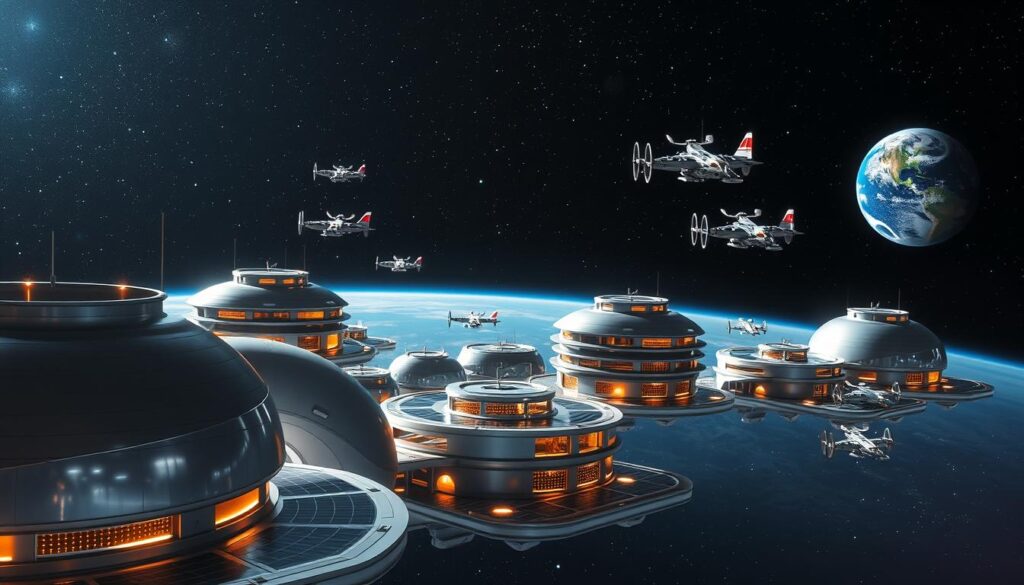
The development of orbital stays and space hotels is a significant step forward in space tourism. Companies like Axiom Space are pioneering this effort, planning to offer extended stays in orbit.
Axiom Space and Orbital Reef Plans
Axiom Space is working on a commercial space station that will offer luxurious accommodations and stunning views of Earth. Orbital Reef, a collaboration between Blue Origin and Sierra Nevada Corporation, aims to provide a versatile space habitat for a variety of uses, including tourism.
Lunar Tourism Possibilities
Lunar tourism is on the horizon, with several companies and space agencies planning missions to the Moon. These missions will not only expand our understanding of the Moon but also offer unprecedented tourism opportunities.
Artemis Program Spinoffs
The Artemis program, led by NASA, is a significant step towards lunar exploration and potential tourism. The program aims to return humans to the Moon by 2025, paving the way for commercial lunar tourism in the following years.
In conclusion, the evolution of space tourism experiences by 2026 is set to be transformative, offering a range of options from suborbital flights to orbital stays and potentially lunar tourism. As technology advances and more companies enter the market, the accessibility and diversity of space tourism experiences are expected to increase.
Regulatory Framework and NASA’s Role in Private Space Ventures
As space tourism becomes increasingly commercialized, the need for a robust regulatory framework has never been more pressing. The industry’s rapid growth has raised concerns about safety, environmental impact, and the need for standardized practices.
Current Space Tourism Regulations
The Federal Aviation Administration (FAA) plays a crucial role in overseeing commercial space activities in the United States. FAA oversight and licensing are critical in ensuring that private space ventures adhere to safety standards.
FAA Oversight and Licensing
The FAA is responsible for licensing commercial space launches and reentries. This involves rigorous evaluation of safety protocols, mission planning, and operational procedures.
NASA’s Commercial Partnerships
NASA has been instrumental in fostering commercial partnerships, providing technology transfer and support to private space companies. This collaboration has enabled the development of innovative solutions and accelerated the growth of the space tourism industry.
Technology Transfer and Support
NASA’s technology transfer programs facilitate the exchange of knowledge and resources between government agencies and private enterprises. This support has been pivotal in helping companies overcome technical challenges.
International Cooperation and Competition
As space tourism becomes a global phenomenon, international cooperation and competition are on the rise. Countries are working together to establish common standards and regulations.
Global Regulatory Harmonization Efforts
Efforts to harmonize regulations globally are underway, with organizations like the United Nations Committee on the Peaceful Uses of Outer Space (COPUOS) playing a key role.
“The future of space tourism depends on our ability to work together and establish a framework that supports innovation while ensuring safety and sustainability.” – NASA Administrator
The Environmental and Ethical Considerations of Space Travel Costs
The rapid growth of space travel has sparked debates about its ecological footprint and ethical implications. As the industry continues to expand, it’s crucial to address these concerns to ensure sustainable development.
Carbon Footprint of Space Tourism
Space tourism’s carbon footprint is a significant concern, with each launch emitting substantial amounts of CO2. Emissions per passenger can be significantly higher than those from traditional air travel.
Emissions per Passenger
Studies have shown that a single space launch can emit tons of CO2, making the per-passenger emissions considerable. For instance, a Virgin Galactic launch emits approximately 4.5 tons of CO2 per passenger.
Mitigation Strategies
To mitigate these emissions, companies are exploring alternative fuels and more efficient launch technologies. Reusable rockets, like those developed by SpaceX, are also reducing the carbon footprint by minimizing the need for new materials and energy for each launch.
Space Debris Concerns
Another critical issue is space debris. With more frequent launches, the risk of collisions and the accumulation of debris in Earth’s orbit and beyond increases. This poses a significant threat to both current and future space missions.
Balancing Exploration with Responsibility
The space tourism industry must balance its ambition with responsibility. This includes adopting inclusive access models that make space travel more accessible while ensuring that the benefits and risks are distributed fairly.
Inclusive Access Models
Inclusive access models involve strategies to make space travel affordable and accessible to a broader demographic. This could include financing options, different pricing tiers, and initiatives to promote diversity in the industry.
Conclusion: The New Frontier of Travel
The space tourism industry is on the cusp of a revolution, transforming from a luxury reserved for the elite to a more accessible form of travel. By 2026, significant advancements are expected in commercial space flight, driven by key players like SpaceX, Blue Origin, and Virgin Galactic.
As technology continues to evolve and economies of scale are achieved, the cost of space travel is projected to decrease, making it more feasible for a wider demographic. The development of reusable rocket technology, safety improvements, and innovative spacecraft designs are crucial factors driving this change.
Space tourism is poised to become a significant sector, with various experiences ranging from suborbital flights to orbital stays and lunar tourism. As the industry grows, it is essential to balance exploration with responsibility, addressing concerns such as carbon footprint and space debris.
The future of space tourism holds much promise, and as it continues to expand, it will be exciting to see how it transforms the travel landscape and pushes the boundaries of human exploration.