Blog
5 Instant Hacks to Reduce Stress and Anxiety in Under 60 Seconds

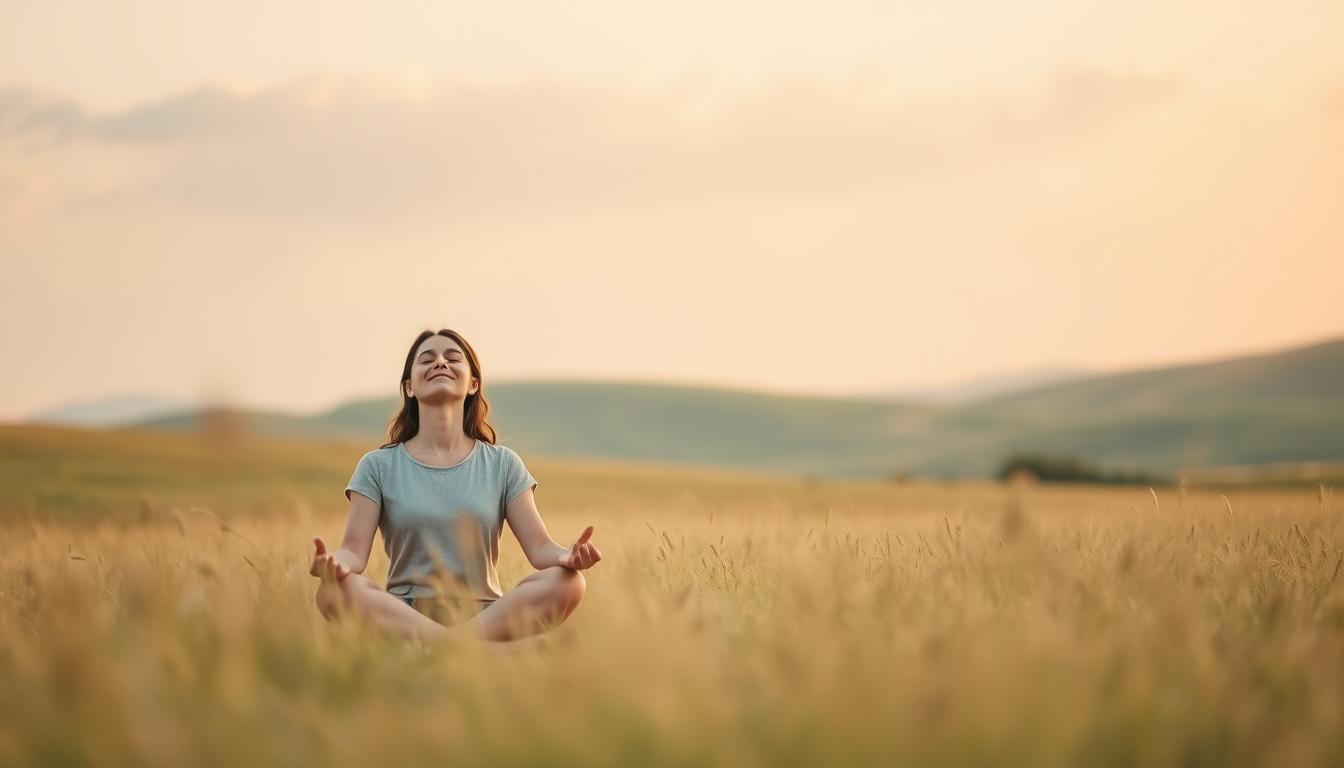
Feeling overwhelmed is a common experience in today’s fast-paced world. Stress and anxiety can strike at any moment, whether you’re in a crowded waiting room, stuck in rush-hour traffic, or trying to remain still during a medical procedure.
Many of us know that activities like yoga, exercise, and meditation can help alleviate anxiety. However, these activities often require time and a calm environment, which isn’t always available. That’s why having instant stress relief strategies is crucial.
This article will explore five simple yet effective hacks to reduce anxiety in under 60 seconds, providing you with practical tools to regain control and composure in stressful situations.
Key Takeaways
- Discover simple techniques to alleviate anxiety quickly.
- Learn how to apply instant stress relief strategies in daily life.
- Understand the importance of having quick anxiety reduction methods.
- Explore practical hacks to reduce anxiety in under 60 seconds.
- Gain insights into regaining control during stressful situations.
The Modern Stress Epidemic and Need for Quick Solutions
The modern world is plagued by stress, affecting people from all walks of life and necessitating quick solutions. Stress has become an integral part of daily life, impacting individuals across various demographics. The need for effective stress management techniques has never been more critical.
Impact of Chronic Stress on Mental Health
Chronic stress can have severe consequences on mental health, including anxiety and depression. Prolonged exposure to stress can lead to long-term mental health issues, affecting an individual’s overall well-being and quality of life. The impact of chronic stress on mental health is multifaceted, making it essential to address stress promptly.
Understanding the effects of chronic stress is crucial for developing effective stress management strategies. By acknowledging the risks associated with chronic stress, individuals can take proactive steps towards mitigating its impact.
Benefits of Immediate Intervention
Immediate intervention is crucial in managing stress effectively. Quick stress relief techniques can help alleviate symptoms of anxiety and depression, improving overall mental health. The benefits of immediate intervention include reduced stress levels and improved resilience to future stress.
By adopting quick stress relief techniques, individuals can take control of their mental health, leading to a better quality of life. Immediate intervention not only provides short-term benefits but also contributes to long-term mental well-being.
The Science Behind Instant Stress Relief
Understanding the science behind instant stress relief is crucial for developing effective stress management strategies. When faced with stress, the body’s “fight-or-flight” response is triggered, releasing stress hormones like cortisol and adrenaline.
How Your Body Responds to Stress
The “fight-or-flight” response is a natural reaction to stress, preparing the body to either confront or flee from the perceived threat. However, chronic activation of this response can lead to negative consequences on both physical and mental health, including increased anxiety and decreased well-being.
Why Quick Interventions Work
Quick interventions, such as mindfulness practices and deep breathing exercises, can help calm the nervous system and reduce stress. According to research, these techniques can lower cortisol levels, heart rate, and blood pressure, promoting relaxation and reducing anxiety. For more information on the science behind stress and self-care, visit this resource.
Understanding the Stress-Anxiety Connection
Stress and anxiety are closely intertwined, making it essential to understand their connection for effective stress relief. When individuals experience stress, their body’s “fight or flight” response is triggered, releasing hormones like cortisol and adrenaline. This physiological response is meant to be temporary, but chronic stress can lead to prolonged exposure to these hormones, exacerbating anxiety symptoms.
The Physiological Relationship
The physiological relationship between stress and anxiety is rooted in the body’s response to perceived threats. When stressed, the body’s sympathetic nervous system is activated, leading to increased heart rate, blood pressure, and respiration. This can create a feedback loop where stress worsens anxiety, and anxiety, in turn, increases stress levels. Understanding this cycle is crucial for developing effective interventions.
| Physiological Response | Effect on Anxiety |
|---|---|
| Increased heart rate and blood pressure | Heightened anxiety symptoms |
| Release of stress hormones (cortisol, adrenaline) | Exacerbates anxiety |
| Rapid breathing | Can lead to hyperventilation, worsening anxiety |
Breaking the Cycle Quickly
Breaking the stress-anxiety cycle requires effective and immediate interventions. Techniques such as deep breathing, progressive muscle relaxation, and mindfulness can help alleviate anxiety symptoms by calming the body’s physiological response. By understanding the physiological relationship between stress and anxiety, individuals can employ these strategies to break the cycle quickly and reduce their anxiety levels.
For instance, practicing deep breathing exercises can help slow down the heart rate and reduce stress hormone levels, thereby decreasing anxiety. Similarly, progressive muscle relaxation can release physical tension, further reducing anxiety symptoms.
Effective Stress Management in 60 Seconds or Less
Effective stress management can be achieved in under 60 seconds with the right techniques. In a world where time is of the essence, having quick and effective stress relief methods is invaluable. These techniques not only provide immediate relief but also contribute to long-term mental health.
When Quick Relief Matters Most
There are moments when stress peaks, and immediate relief is necessary. Quick stress relief techniques can be lifesavers in situations like public speaking, meeting deadlines, or dealing with unexpected challenges. Techniques such as deep breathing, progressive muscle relaxation, and mindful visualization can calm the mind and body rapidly.
- Reduce immediate stress and anxiety
- Improve focus and concentration
- Enhance overall mental well-being
How These Techniques Support Long-Term Mental Health
While quick stress relief techniques offer immediate benefits, they also play a crucial role in maintaining long-term mental health. Regular practice of these techniques can lead to reduced overall stress levels, improved emotional resilience, and a lower risk of anxiety and depression. By incorporating these methods into daily routines, individuals can build a strong foundation for mental wellness.
Hack #1: The 4-7-8 Breathing Technique
Instant calm can be achieved through the simple yet potent 4-7-8 breathing technique, also known as the “relaxation breath.” This method has been recognized for its ability to calm the nervous system and reduce stress.
Step-by-Step Instructions
To effectively practice the 4-7-8 breathing technique, follow these steps:
Proper Posture and Preparation
Begin by sitting comfortably with your back straight or lying on your back. Place one hand on your belly and the other on your chest. Close your eyes and take a deep breath in through your nose, allowing your belly to rise while keeping your chest still.
Counting and Breathing Pattern
To perform the 4-7-8 technique:
- Inhale through your nose for a count of 4.
- Hold your breath for a count of 7.
- Exhale through your mouth for a count of 8.
This cycle should be repeated for a total of four rounds.
Common Mistakes to Avoid
Ensure you’re breathing deeply into your diaphragm rather than shallowly into your chest. Avoid rushing the counts, as this can negate the relaxing effects.
Scientific Evidence and Benefits
Research has shown that the 4-7-8 breathing technique can significantly reduce anxiety and promote stress relief. By slowing down your heart rate and promoting relaxation, this technique can improve overall mindfulness.
| Benefits | Description |
|---|---|
| Reduces Anxiety | Slows down heart rate and calms the nervous system. |
| Promotes Stress Relief | Lowers cortisol levels and induces relaxation. |
| Improves Mindfulness | Encourages present-moment awareness. |
Variations for Different Situations
The 4-7-8 breathing technique can be adapted for various situations, such as before bed to improve sleep quality or during breaks at work to reduce stress. Experimenting with different postures and environments can help you find what works best for you.
Hack #2: Progressive Muscle Relaxation
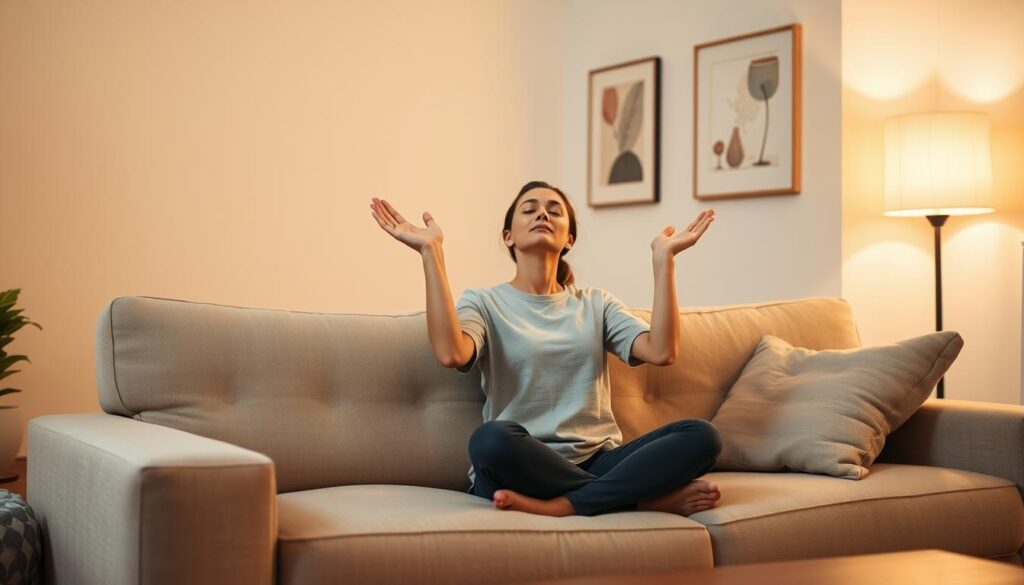
In today’s fast-paced world, mastering progressive muscle relaxation can be a game-changer for stress management. This technique involves tensing and relaxing different muscle groups to release physical tension and promote relaxation.
Step-by-Step Instructions
To practice progressive muscle relaxation effectively, follow these steps:
Identifying Tension Areas
Start by becoming aware of the areas in your body where you hold tension. Common areas include the neck, shoulders, and lower back.
The Tense-Release Sequence
Begin with a specific muscle group, such as your toes. Tense the muscles in your toes for about 5 seconds, and then release the tension. Move up through the body, tensing and relaxing each muscle group in turn.
Maintaining Awareness
As you practice, maintain awareness of your body and the sensations of tension and relaxation. This mindfulness enhances the effectiveness of the technique.
Scientific Evidence and Benefits
Research has shown that progressive muscle relaxation can significantly reduce anxiety and stress. A study published in the Journal of Clinical Psychology found that participants who practiced progressive muscle relaxation experienced a notable decrease in anxiety levels.
“Progressive muscle relaxation is a valuable tool for managing stress and anxiety. By systematically tensing and relaxing muscle groups, individuals can achieve a state of deep relaxation.”
The benefits of progressive muscle relaxation include reduced muscle tension, improved sleep quality, and enhanced overall well-being.
| Benefits | Description |
|---|---|
| Reduced Muscle Tension | Relieves physical discomfort and promotes relaxation |
| Improved Sleep Quality | Enhances the ability to fall asleep and stay asleep |
| Enhanced Well-being | Promotes a sense of calm and reduces anxiety |
Variations for Different Situations
Progressive muscle relaxation can be adapted for various situations. For example, during a break at work, you can quickly tense and relax your shoulders and arms to reduce tension. Before bed, a full-body progressive muscle relaxation can help prepare for sleep.
By incorporating progressive muscle relaxation into your daily routine, you can develop a powerful tool for managing stress and anxiety.
Hack #3: The 5-4-3-2-1 Grounding Technique
For individuals seeking immediate stress relief, the 5-4-3-2-1 grounding technique offers a simple yet effective solution. This mindfulness exercise involves engaging the senses to promote presence and reduce stress, making it an invaluable tool for managing anxiety.
Step-by-Step Instructions
The 5-4-3-2-1 grounding technique is straightforward and can be practiced anywhere. To begin:
- Notice 5 things you can see around you.
- Acknowledge 4 things you can touch or feel.
- Identify 3 things you can hear.
- Recognize 2 things you can smell.
- Take a moment to notice 1 thing you can taste.
Engaging Each Sense Methodically
Engaging each sense methodically is crucial for the effectiveness of the 5-4-3-2-1 grounding technique. By focusing on what you can see, touch, hear, smell, and taste, you divert your attention from stressful thoughts and anchor yourself in the present moment.
Maintaining Focus and Presence
To maintain focus, it’s essential to be gentle with yourself and acknowledge any distractions without judgment. The goal is to cultivate awareness of your surroundings.
Adapting to Different Environments
This technique can be adapted to various settings, whether you’re at home, in the office, or outdoors. The flexibility of the 5-4-3-2-1 grounding technique makes it a versatile tool for stress relief.
Scientific Evidence and Benefits
Research supports the efficacy of mindfulness practices like the 5-4-3-2-1 grounding technique in reducing stress and anxiety. By promoting relaxation and decreasing rumination, this technique contributes to improved mental well-being.
“Mindfulness practices, including the 5-4-3-2-1 grounding technique, have been shown to decrease the production of stress hormones like cortisol, leading to a sense of calm and relaxation.”
Variations for Different Situations
While the basic structure of the 5-4-3-2-1 grounding technique remains the same, it can be modified to suit different situations. For example, in a noisy environment, you might focus more on what you can see or touch.
Hack #4: Quick Mindful Visualization
Mindful visualization is a potent tool for instant stress relief, allowing individuals to create a serene mental environment. This technique involves using one’s imagination to picture a peaceful, relaxing scene or situation, effectively calming the mind and reducing stress.
Step-by-Step Instructions
To practice quick mindful visualization, follow these steps:
Creating Your Safe Place
Begin by finding a comfortable position, either sitting or lying down, where you can relax without distraction. Close your eyes and take a few deep breaths. Imagine yourself in a place that feels safe and relaxing to you. This could be a beach, a forest, or any other environment that you associate with peace and tranquility.
Engaging Multiple Senses
As you visualize your safe place, engage as many senses as possible. For example, if you’re imagining a beach, you might hear the sound of the waves, feel the warmth of the sun on your skin, and smell the salty air. The more vividly you can imagine this scene, the more effective it will be in reducing your stress levels.
Transitioning Back to Reality
When you’re ready to end your visualization, take a few deep breaths and slowly open your eyes. Take a moment to notice how you’re feeling before getting up and continuing with your day.
Scientific Evidence and Benefits
Research has shown that mindful visualization can have a positive impact on both mental and physical health. Studies have found that regular practice can reduce symptoms of anxiety and depression, improve mood, and even lower blood pressure.
| Benefit | Description |
|---|---|
| Reduces Anxiety | Mindful visualization can calm the mind, reducing feelings of anxiety and stress. |
| Improves Mood | By focusing on positive imagery, individuals can improve their overall mood. |
| Lowers Blood Pressure | Regular practice has been linked to lower blood pressure, contributing to better cardiovascular health. |
Variations for Different Situations
Mindful visualization can be adapted to suit different situations and needs. For example, during a stressful meeting, you can quickly visualize a peaceful scene to calm your nerves. Before a challenging task, visualizing success can boost confidence and reduce anxiety.
By incorporating quick mindful visualization into your daily routine, you can develop a powerful tool for managing stress and enhancing overall well-being.
Hack #5: Acupressure Points for Instant Calm
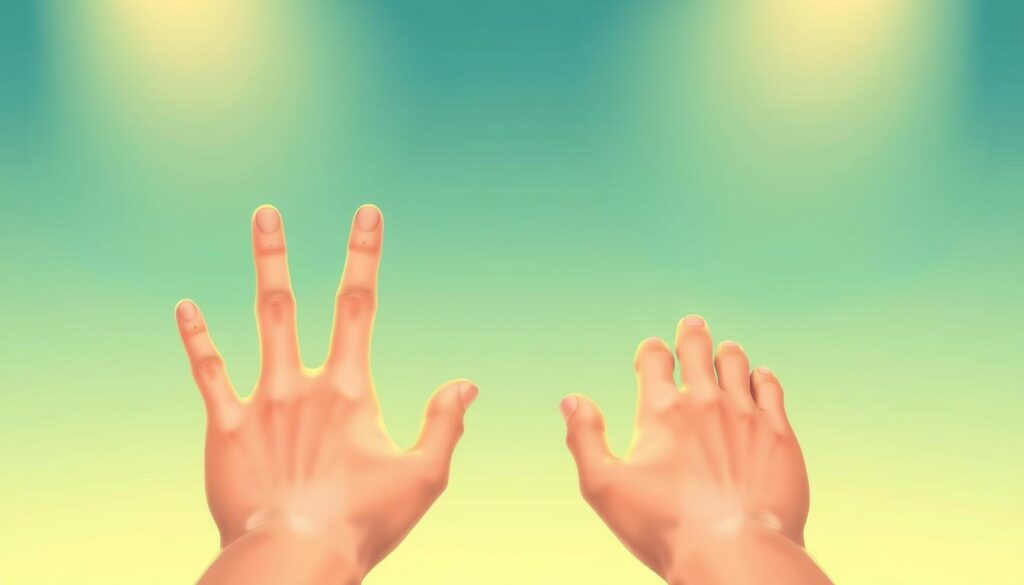
Discover the ancient technique of acupressure to achieve instant calm and reduce stress. Acupressure involves applying pressure to specific points on the body to promote relaxation and reduce stress. This technique, rooted in traditional Chinese medicine, has been used for centuries to alleviate various health conditions, including anxiety and stress.
Step-by-Step Instructions
To effectively use acupressure for stress relief, follow these step-by-step instructions. First, identify the key pressure points. Then, apply the proper technique. Finally, understand the duration and pressure guidelines.
Locating Key Pressure Points
Several acupressure points are known to help reduce stress and anxiety. These include:
- The LI4 point, located between the thumb and index finger.
- The Yintang point, found between the eyebrows.
- The GV24.5 point, situated just below the nose.
Proper Application Technique
To apply acupressure, use your fingers or thumbs to press the identified points. Use a firm, gentle pressure, and massage in a circular motion. Apply pressure for the recommended duration to achieve optimal relief.
Duration and Pressure Guidelines
Typically, apply pressure for 1-3 minutes per point. The pressure should be firm but not painful. Adjust as needed based on comfort.
| Acupressure Point | Location | Application Technique |
|---|---|---|
| LI4 | Between thumb and index finger | Firm, circular massage |
| Yintang | Between the eyebrows | Gentle, sustained pressure |
| GV24.5 | Below the nose | Firm, gentle pressure |
Scientific Evidence and Benefits
Research supports the effectiveness of acupressure in reducing stress and anxiety. Studies have shown that acupressure can lower cortisol levels, improve mood, and enhance overall well-being. The benefits of acupressure are both immediate and long-term, making it a valuable tool for managing stress.
Variations for Different Situations
Acupressure can be adapted to various situations. For instance, you can use acupressure during breaks at work, while commuting, or before bed. Customize the technique to fit your needs and preferences. Experiment with different points and techniques to find what works best for you.
Conclusion: Building Resilience One Minute at a Time
Building resilience is crucial for managing stress and maintaining good mental health. By incorporating the five instant hacks into daily life, individuals can develop the skills and strategies needed to build resilience. Regular practice of these techniques, such as the 4-7-8 breathing technique and progressive muscle relaxation, can lead to improved overall well-being and a reduced risk of anxiety and depression.
Effective stress management is closely linked to mental health, and mindfulness plays a significant role in achieving this. By dedicating just one minute a day to these simple yet powerful techniques, individuals can take a proactive approach to maintaining their mental health. As a result, they can better navigate life’s challenges with increased calmness and clarity.
By making these instant hacks a part of daily routine, individuals can cultivate the resilience needed to handle stress and maintain good mental health. This, in turn, can lead to a more balanced and fulfilling life, where stress and anxiety are managed effectively.